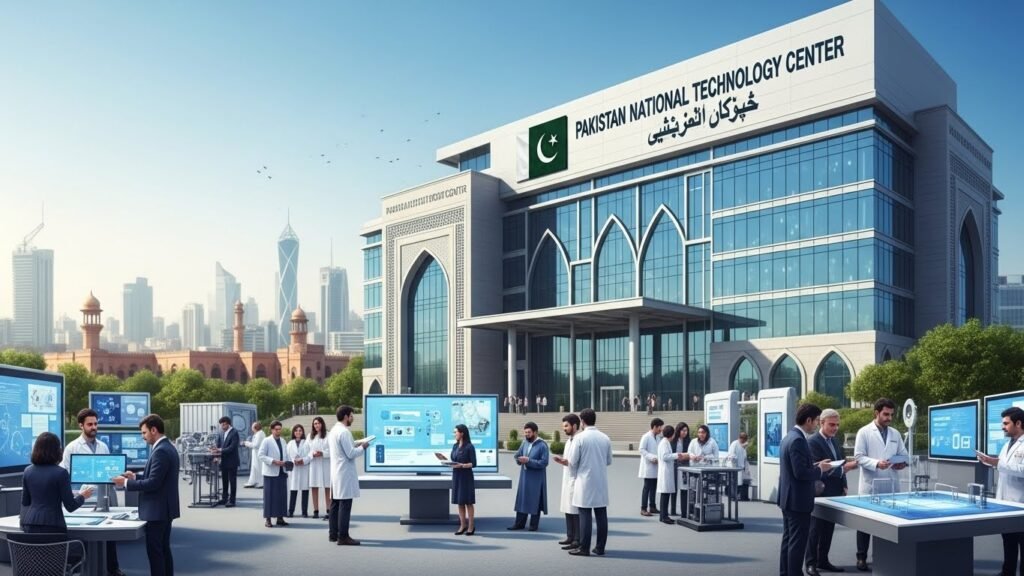
Pakistan is entering a critical phase in its economic and technological evolution as plans to set up advanced technology centres gain momentum. The initiative reflects a strategic shift toward innovation-led development, recognizing that sustainable economic growth in the modern era depends heavily on technology, skills, and digital infrastructure. As Pakistan seeks to strengthen its position in the global economy, these advanced technology centres are expected to play a transformative role by fostering innovation, attracting investment, and creating high-value employment opportunities.
The decision that Pakistan is to set up advanced technology centres comes at a time when the country faces multiple economic challenges, including low productivity, limited exports, and a growing need for skilled jobs for its young population. By focusing on cutting-edge technologies such as artificial intelligence, data analytics, cybersecurity, robotics, and advanced manufacturing, policymakers aim to build a future-ready economy. This initiative also aligns with broader national objectives of digital transformation, industrial modernization, and inclusive growth.
This article explores how Pakistan plans to set up advanced technology centres for economic growth, the strategic motivations behind this move, the sectors expected to benefit, and the long-term implications for the country’s development trajectory. By examining policy intent, institutional frameworks, and workforce readiness, the discussion highlights why this initiative could mark a turning point for Pakistan’s economic future.
The strategic vision behind Pakistan’s advanced technology centres
The plan for Pakistan to set up advanced technology centres is rooted in a long-term strategic vision that recognizes technology as a catalyst for economic resilience. Traditional growth drivers such as agriculture and low-value manufacturing have struggled to keep pace with global competition. As a result, policymakers increasingly view technology-driven economic growth as essential for boosting productivity and expanding export potential.
Advanced technology centres are designed to serve as hubs of innovation where research, development, and commercialization converge. These centres aim to bridge the gap between academia and industry, ensuring that scientific research translates into market-ready solutions. By fostering collaboration among universities, startups, and established enterprises, Pakistan seeks to create an ecosystem that nurtures innovation and accelerates technological adoption.
Economic growth through innovation and digital transformation
Shifting from consumption-led to innovation-led growth
One of the key motivations behind Pakistan’s decision to set up advanced technology centres is the need to shift from consumption-led growth to innovation-led growth. Historically, economic expansion has been driven by domestic consumption and remittances, which are vulnerable to external shocks. Technology-driven sectors, by contrast, offer scalable and export-oriented opportunities.
Advanced technology centres can support this transition by enabling the development of high-value products and services. By leveraging digital transformation, Pakistan can move up the value chain, reduce reliance on imports, and enhance its competitiveness in global markets.
Role of technology in productivity enhancement
Productivity remains a major challenge for Pakistan’s economy. Low adoption of modern technologies has limited efficiency across sectors. The establishment of advanced technology centres aims to address this gap by promoting the use of automation, data-driven decision-making, and smart systems. These improvements can significantly enhance output while optimizing resource utilization.
Key technologies shaping the new centres
Artificial intelligence and data analytics
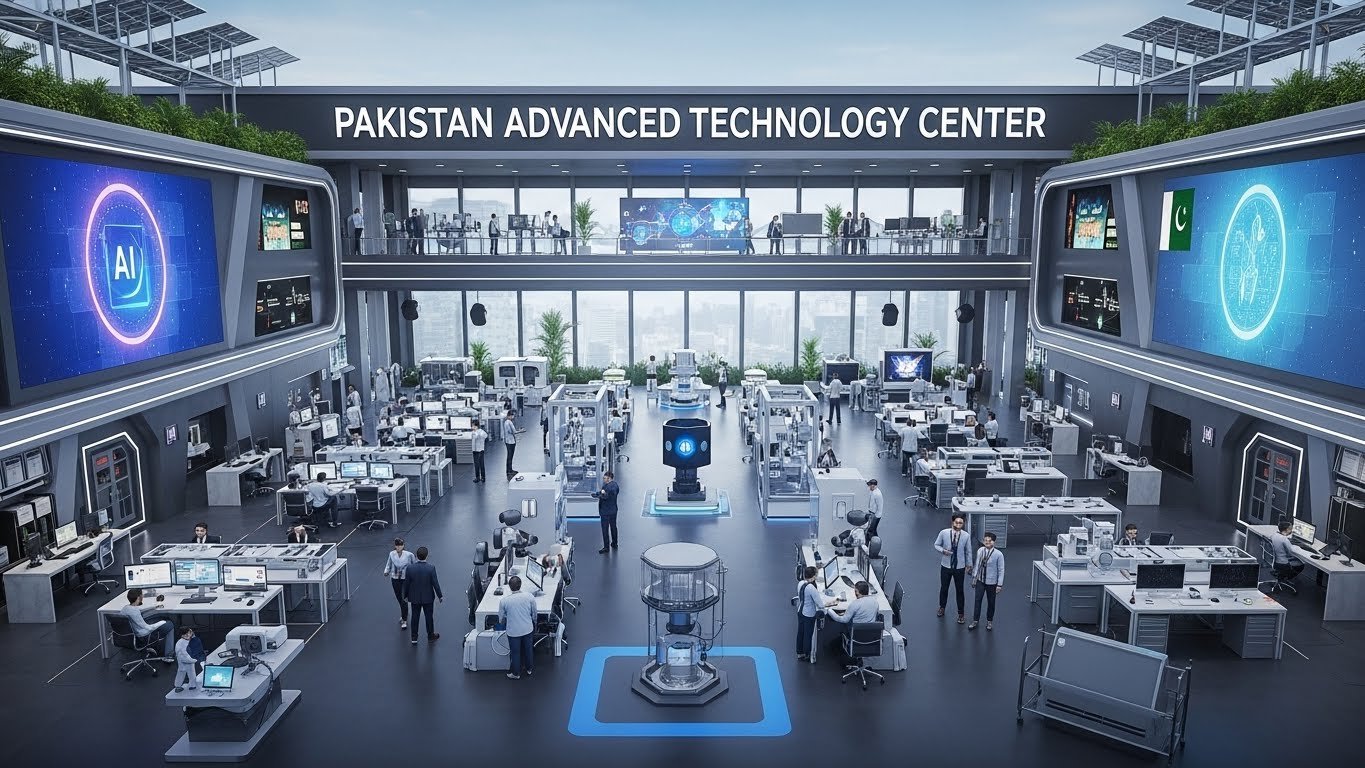
Artificial intelligence and data analytics are expected to form the backbone of many advanced technology centres. These technologies have applications across finance, healthcare, agriculture, and public administration. By investing in AI research and talent development, Pakistan can unlock new efficiencies and foster innovation in both the public and private sectors.
The focus on artificial intelligence innovation also positions Pakistan to participate in the global AI economy, which is rapidly expanding. Advanced technology centres can act as incubators for AI startups and research initiatives, driving both economic and social value.
Cybersecurity and digital resilience
As digitalization accelerates, cybersecurity becomes increasingly important. Advanced technology centres dedicated to cybersecurity can help protect critical infrastructure, financial systems, and data assets. This focus enhances investor confidence and supports the growth of digital services.
By building local expertise in cybersecurity, Pakistan strengthens its digital resilience and reduces dependence on foreign solutions. This capability is essential for sustaining long-term economic growth in an interconnected world.
Advanced manufacturing and robotics
Manufacturing modernization is another priority area. Advanced technology centres focusing on robotics, automation, and smart manufacturing can revitalize Pakistan’s industrial base. These technologies enable precision, efficiency, and customization, helping local manufacturers compete globally.
The integration of advanced manufacturing technologies also creates opportunities for skilled employment, addressing concerns about job displacement through automation by emphasizing upskilling and reskilling.
Human capital development and skills enhancement
Empowering Pakistan’s youth through technology education
Pakistan has a large and youthful population, which presents both a challenge and an opportunity. Advanced technology centres can play a crucial role in equipping young people with relevant digital skills. By offering training programs, certifications, and hands-on experience, these centres can bridge the skills gap between education and industry needs. This emphasis on digital skills development ensures that economic growth is inclusive and sustainable. A skilled workforce attracts investment, supports entrepreneurship, and enhances productivity across sectors.
Collaboration with universities and research institutions
To maximize impact, advanced technology centres must work closely with universities and research institutions. Such collaboration fosters knowledge exchange and ensures that academic research addresses real-world challenges. Joint research projects, internships, and technology transfer initiatives can strengthen the innovation pipeline. This integrated approach also helps retain talent within the country by providing researchers and graduates with meaningful opportunities at home.
Attracting investment and strengthening the startup ecosystem
Encouraging domestic and foreign investment
The announcement that Pakistan is to set up advanced technology centres sends a positive signal to investors. It demonstrates a commitment to long-term economic reform and technological advancement. Well-structured centres can attract both domestic and foreign investment by offering infrastructure, incentives, and access to talent. Foreign investors, in particular, seek environments that support innovation and protect intellectual property. Advanced technology centres can help meet these expectations, enhancing Pakistan’s appeal as an investment destination.
Boosting entrepreneurship and innovation
Startups are central to technological progress, and advanced technology centres can serve as launchpads for new ventures. By providing mentorship, funding access, and technical resources, these centres can nurture entrepreneurial talent. This support ecosystem encourages experimentation and accelerates commercialization. The growth of a vibrant startup ecosystem contributes to job creation, export earnings, and economic diversification, reinforcing the broader goal of sustainable growth.
Regional development and economic inclusion
Reducing regional disparities through technology hubs
Another important aspect of Pakistan’s plan to set up advanced technology centres is regional development. Establishing centres across different provinces can reduce economic disparities and promote balanced growth. Technology hubs outside major cities can stimulate local economies and prevent excessive urban migration. This decentralized approach ensures that the benefits of technological progress are shared more equitably, supporting social cohesion and national development.
Integrating small and medium enterprises
Small and medium enterprises form the backbone of Pakistan’s economy but often lack access to advanced technologies. Advanced technology centres can support SMEs by providing shared resources, training, and innovation support. This integration enhances competitiveness and productivity at the grassroots level.
Policy support and institutional frameworks
Government’s role in enabling innovation
The success of advanced technology centres depends heavily on supportive policies and effective governance. Clear regulatory frameworks, tax incentives, and funding mechanisms are essential for attracting participation. The government’s role is to create an enabling environment while allowing market forces to drive innovation. Strong institutional frameworks also ensure accountability and sustainability, preventing these centres from becoming underutilized or disconnected from industry needs.
Public-private partnerships for long-term success
Public-private partnerships are likely to be a cornerstone of this initiative. By combining public sector support with private sector expertise, Pakistan can maximize the impact of advanced technology centres. Such partnerships encourage efficiency, innovation, and shared ownership of outcomes.
Challenges and risks to address
Ensuring implementation and continuity
While the vision is ambitious, implementation remains a key challenge. Ensuring timely execution, adequate funding, and skilled management is critical. Without effective coordination, the promise of advanced technology centres may not be fully realized. Continuity across political cycles is also essential. Long-term commitment ensures that these centres mature and deliver sustained economic benefits.
Bridging the digital divide
As Pakistan advances technologically, it must also address the digital divide. Ensuring access to technology and connectivity for underserved communities is crucial for inclusive growth. Advanced technology centres should complement broader efforts to expand digital infrastructure nationwide.
Long-term impact on Pakistan’s economic future
The decision that Pakistan is to set up advanced technology centres represents more than an infrastructure initiative; it signals a shift in economic philosophy. By prioritizing innovation, skills, and technology, Pakistan positions itself for long-term growth in a competitive global landscape.
Over time, these centres can transform industries, empower youth, and strengthen economic resilience. The ripple effects may include higher exports, improved governance, and enhanced quality of life, underscoring the strategic importance of this initiative.
Conclusion
Pakistan’s plan to set up advanced technology centres for economic growth reflects a forward-looking approach to development. By embracing innovation, digital transformation, and human capital development, the country aims to overcome structural challenges and unlock new growth pathways. While implementation will require sustained effort and coordination, the potential rewards are substantial.
If executed effectively, advanced technology centres can become engines of economic transformation, driving productivity, attracting investment, and fostering inclusive growth. This initiative marks a significant step toward a more resilient, competitive, and future-ready Pakistan.
FAQs
Q: Why is Pakistan setting up advanced technology centres now
Pakistan is setting up advanced technology centres to address economic challenges such as low productivity, limited exports, and unemployment. The timing reflects a recognition that technology-driven growth is essential for long-term economic stability and global competitiveness.
Q: How will advanced technology centres contribute to economic growth
Advanced technology centres contribute to economic growth by fostering innovation, improving productivity, and supporting high-value industries. They enable research, skill development, and commercialization, creating new jobs and export opportunities.
Q: Which sectors are expected to benefit most from these centres
Sectors such as artificial intelligence, cybersecurity, advanced manufacturing, and digital services are expected to benefit significantly. These areas have strong growth potential and can drive broader economic transformation.
Q: How will these centres support youth and employment
The centres will support youth by offering training, research opportunities, and pathways into high-tech careers. By aligning skills with industry needs, they help create sustainable employment and reduce brain drain.
Q: What challenges could affect the success of advanced technology centres
Challenges include effective implementation, sustained funding, skilled management, and bridging the digital divide. Addressing these issues through strong policy support and partnerships is essential for long-term success.