Impact of technology on society Present and Future Impact

Impact of technology on society

COIN4U IN YOUR SOCIAL FEED

Technology is what makes people move forward, and it keeps transforming how we live, work, and talk to each other. Blockchain  Digital  This technology is changing and affecting every aspect of life, from the first tools that helped people build civilisations to the complex digital systems we use today. This article talks about technology’s past, present, and future, with a focus on how it has affected industry, culture, and the way people around the world talk to each other. Impact of technology on society

Evolution of Technology Through History

Humans first created tools made of stone and bone to aid in their survival and adaptation. These simple tools were the building blocks for more advanced inventions throughout the agricultural revolution. These inventions made it possible for people to settle down and led to the creation of great civilisations, like those in Mesopotamia and Ancient Egypt. Over time, innovators and scientists improved these instruments. The Industrial Revolution marked a pivotal moment in history, transforming economies and civilisations worldwide through mechanisation and steam power.
Evolution of Technology Through History

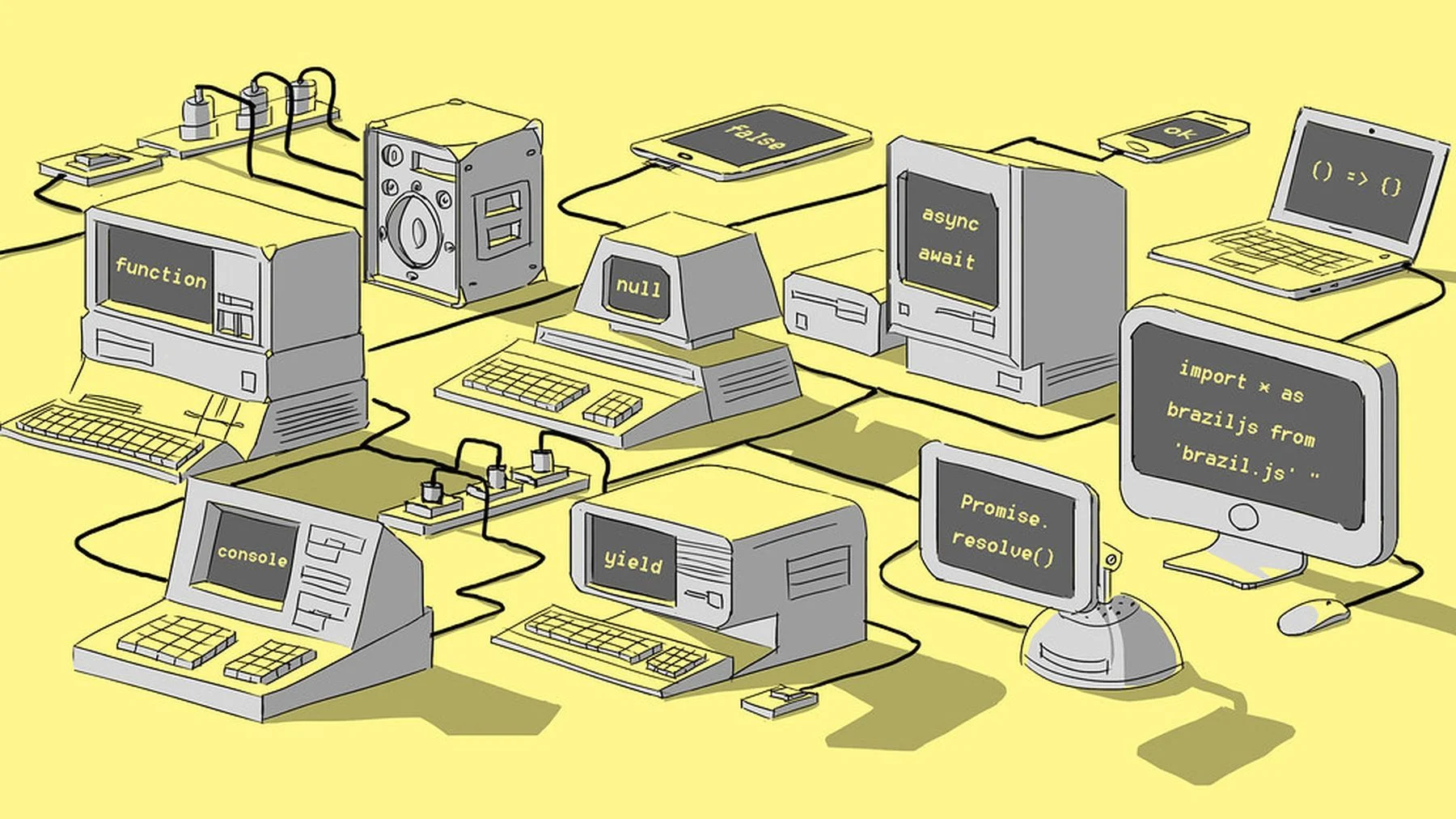
The digital revolution, which began in the 20th century, was a time of major changes in electronics and computing. Visionaries like Alan Turing, who is frequently called the father of modern computer science, and John von Neumann, who helped design the first computers, helped make this change happen. The internet, built by DARPA in the late 1960s, allowed global communication. Personal computers from firms like IBM and Apple made technology available to everyone. This innovation changed the way people talked to each other, learnt, and did business.

Technology’s Impact Across Industries

Technological improvements have helped every major sector grow and come up with new ideas. Technologies like magnetic resonance imaging (MRI), robotic-assisted surgery, and telemedicine platforms have brought about dramatic developments in the healthcare industry. These new technologies have made diagnoses more accurate and made it easier for people to get medical care, especially in distant places. Biotechnology companies like CRISPR Therapeutics are leading the way in gene editing, which opens up new ways to treat genetic problems.

Technology matters in finance too. Blockchain and cryptocurrencies help fintech companies make banks safer, more open, and more efficient. Digital payment systems, mobile banking apps, and AI-powered fraud detection tools have transformed money management. Tesla is pioneering the green transportation revolution with electric cars. Their self-driving and battery technology are industry-leading. SpaceX and other aerospace companies’ reusable rockets and Mars colonisation ambitions have revolutionised space travel. We are entering a new phase of exploration. Information technology is essential for economic and social advancement. Amazon Web Services (AWS) and Microsoft Azure provide scalable cloud computing solutions for global digital transformation. Siri, Netflix, and Amazon’s recommendation engines use AI and ML. These technologies simplify business and user life.

Future-Defining Emerging Technologies

Several new technologies are likely to change the way we live and work in the future. Companies like IBM and Google are at the forefront of quantum computing, which could tackle issues that classical computers can’t, affecting fields like cryptography, materials science, and artificial intelligence. Breakthroughs in this area could lead to unprecedented computing power, even though they are still in the works. Artificial intelligence is still changing quickly. Deep learning models are making natural language processing, image recognition, and autonomous systems better. Blockchain technology extends beyond its use in coins. Its decentralised, tamper-proof nature is becoming more and more useful in areas like smart contracts, digital identity verification, and supply chain management. These procedures are now more open and secure.

Future-Defining Emerging Technologies

The Internet of Things (IoT) connects billions of devices all over the world, making smart homes, smart cities, and automated factories possible. These systems work together to make the best use of resources, make things safer, and encourage long-term growth. Augmented reality (AR) and virtual reality (VR) are changing education, entertainment, and remote work by making settings that feel real. The goal of Meta’s efforts in the metaverse is to merge the physical and digital realms. Such innovations could change how people interact with each other and do business online in the next few decades.

Technology’s Societal Impact

The pervasive influence of technology on society is profound, offering tremendous benefits but also presenting major difficulties. Digital tools have democratised information and empowered individuals globally, as evidenced by the rise of remote work and virtual learning platforms. However, these advances also raise critical concerns around data privacy, cybersecurity, and the digital divide. Governments and organisations face the task of preparing the workforce through educational and reskilling initiatives.

Final thoughts

Technology has changed the way people talk to one another and interact with culture in big ways. Facebook, Twitter, and TikTok are examples of social media sites that have changed how information is shared. They allow for real-time interaction and connections throughout the world. These platforms let people connect and be creative, but they also make problems like false information and societal division worse.

Technology helps the creative industries by making and sharing digital content. Streaming services like Netflix and Spotify have changed the way we consume media. At the same time, new gaming technologies from firms like Sony and Nintendo have made gaming more immersive and fun.Also, technologies like real-time translation and digital collaboration tools let people from different cultures and languages work together and understand each other better. Digital literacy is becoming a must-have ability for getting around in the complicated world of information.


Explore more articles like this

Subscribe to the Finance Redefined newsletter

A weekly toolkit that breaks down the latest DeFi developments, offers sharp analysis, and uncovers new financial opportunities to help you make smart decisions with confidence. Delivered every Friday

By subscribing, you agree to our Terms of Services and Privacy Policy

READ MORE

Best Crypto Exchange for Beginners – Secure & Easy

best cryptocurrency exchange for beginners

COIN4U IN YOUR SOCIAL FEED

The world of cryptocurrency can seem overwhelming for newcomers, especially when choosing where to buy your first digital assets. Finding the best cryptocurrency exchange for beginners is crucial for a safe and successful entry into the crypto market. With hundreds of exchanges available worldwide, selecting the right platform can make the difference between a smooth trading experience and costly mistakes that could derail your investment journey.

Cryptocurrency exchanges serve as the gateway between traditional finance and the digital asset ecosystem. For beginners, the ideal exchange should combine user-friendly interfaces, robust security measures, educational resources, and competitive fees. This comprehensive guide will help you navigate through the top cryptocurrency exchanges specifically designed for newcomers, ensuring you make an informed decision that aligns with your investment goals and risk tolerance.

 Cryptocurrency Exchange Beginner-Friendly

When evaluating exchanges for new crypto investors, several key factors distinguish beginner-friendly platforms from those designed for advanced traders. Understanding these characteristics will help you identify the best cryptocurrency exchange for beginners that matches your specific needs.

User Interface and Experience

The most beginner-friendly exchanges prioritize simplicity without sacrificing functionality. These platforms feature intuitive dashboards, clear navigation menus, and straightforward buying processes. Look for exchanges that offer both basic and advanced trading views, allowing you to start simple and graduate to more complex features as your knowledge grows.

Security Features and Reputation

Security should be your top priority when selecting any cryptocurrency exchange. Reputable platforms implement multi-layered security protocols including two-factor authentication (2FA), cold storage for customer funds, insurance coverage, and regular security audits. Research the exchange’s history for any security breaches and how they handled such incidents.

Educational Resources

The best platforms for beginners provide comprehensive educational materials, including tutorials, market analysis, glossaries, and customer support. These resources help new users understand cryptocurrency basics, trading concepts, and platform-specific features.

Customer Support Quality

Responsive customer support becomes essential when you encounter issues or have questions about your account. Look for exchanges offering multiple support channels, including live chat, email support, and comprehensive FAQ sections with quick response times.

 Best Cryptocurrency Exchange for Beginners: Top Platform Reviews

 Best Cryptocurrency Exchange for Beginners: Top Platform Reviews

Coinbase: The Gold Standard for New Investors

Coinbase consistently ranks as the top choice for cryptocurrency beginners due to its exceptional user experience and regulatory compliance. The platform offers a clean, intuitive interface that makes buying, selling, and storing cryptocurrencies straightforward for newcomers.

Key Features:

  • Regulated by major financial authorities
  • Insurance coverage for digital assets
  • Educational program with crypto rewards
  • Mobile app with full functionality
  • Support for 100+ cryptocurrencies

Fees: Coinbase charges a spread of about 0.5% for cryptocurrency purchases, plus additional fees ranging from $0.99 to $2.99 for smaller transactions. While not the cheapest option, the user experience justifies the premium for beginners.

Pros: Excellent security record, user-friendly interface, strong regulatory compliance, educational resources Cons: Higher fees compared to competitors, limited advanced trading features

Kraken: Security-First Approach

Kraken has built its reputation on security and transparency, making it an excellent choice for security-conscious beginners. The exchange has never been successfully hacked and maintains one of the strongest security track records in the industry.

Key Features:

  • Advanced security measures including air-gapped cold storage
  • 24/7 customer support
  • Educational blog and market analysis
  • Staking services for passive income
  • Lower fees for higher volume traders

Fees: Kraken offers competitive fees starting at 0.16% for makers and 0.26% for takers, with discounts available for higher trading volumes.

Binance.US: Global Leader with American Compliance

Binance.US brings the features of the world’s largest cryptocurrency exchange to American users with full regulatory compliance. The platform offers an extensive selection of cryptocurrencies and advanced trading features while maintaining beginner accessibility.

Key Features:

  • Largest selection of available cryptocurrencies
  • Advanced and basic trading interfaces
  • Competitive fee structure
  • Staking and savings products
  • Mobile app with comprehensive features

Gemini: Trust and Transparency

Founded by the Winklevoss twins, Gemini emphasizes transparency and regulatory compliance. The platform is particularly attractive to beginners who prioritize security and want to start with a trusted, well-regulated exchange.

Key Features:

  • FDIC insurance for USD deposits
  • Free withdrawals (up to 10 per month)
  • ActiveTrader platform for advanced users
  • Educational content and market insights
  • Strong regulatory compliance

Essential Features to Look For in Beginner Exchanges

Supported Cryptocurrencies and Trading Pairs

While Bitcoin and Ethereum are available on most exchanges, beginners should consider platforms offering a diverse selection of established cryptocurrencies. This variety allows you to diversify your portfolio as you learn about different projects and blockchain technologies.

Payment Methods and Fiat Support

The best exchanges for beginners support multiple payment methods including bank transfers, debit cards, and credit cards. Bank transfers typically offer lower fees but slower processing times, while card payments provide instant access at higher costs.

Mobile Application Quality

A well-designed mobile app enables you to monitor your investments and make trades on the go. Look for apps that offer the same functionality as desktop platforms, including real-time price alerts, portfolio tracking, and secure transaction capabilities.

Withdrawal and Deposit Limits

Different exchanges impose varying limits on deposits and withdrawals, which can affect your trading strategy. Beginners should understand these limitations and choose platforms that accommodate their intended investment amounts.

How to Choose the Right Exchange for Your Needs

Assess Your Investment Goals

Before selecting an exchange, clearly define your cryptocurrency investment objectives. Are you planning to buy and hold long-term, or do you want to actively trade? Your goals will influence which features and fee structures are most important for your situation.

Consider Geographic Restrictions

Cryptocurrency regulations vary significantly between countries and states. Ensure your chosen exchange operates legally in your jurisdiction and complies with local financial regulations. Some exchanges may restrict services based on your location.

Evaluate Fee Structures

Exchange fees can significantly impact your returns, especially for frequent traders or small investors. Compare trading fees, withdrawal fees, deposit fees, and any other charges across platforms. Remember that the cheapest option isn’t always the best when considering security and features.

Research Security History

Investigate each exchange’s security track record, including past breaches, response protocols, and current security measures. Platforms with strong security histories and transparent communication about incidents are generally more trustworthy.

Security Best Practices for New Crypto Investors

Enable Two-Factor Authentication

Two-factor authentication adds an essential security layer to your exchange account. Use authenticator apps like Google Authenticator or Authy rather than SMS-based 2FA, which can be vulnerable to SIM swapping attacks.

Use Strong, Unique Passwords

Create complex passwords unique to your cryptocurrency accounts. Consider using a reputable password manager to generate and store secure passwords for all your crypto-related accounts.

Consider Hardware Wallets for Long-term Storage

While exchanges provide convenient storage, they’re not ideal for long-term holdings. Hardware wallets like Ledger or Trezor offer superior security for storing cryptocurrencies you don’t plan to trade frequently.

Understand Exchange vs. Personal Wallet Storage

Learn the difference between keeping funds on an exchange versus in personal wallets. The saying “not your keys, not your crypto” emphasizes the importance of controlling your private keys for maximum security.

Understanding Cryptocurrency Exchange Fees

Trading Fees Structure

Most exchanges use a maker-taker fee model. Makers add liquidity to the order book by placing limit orders, while takers remove liquidity by executing market orders. Takers typically pay higher fees than makers.

Deposit and Withdrawal Fees

Deposit fees vary by payment method, with bank transfers often being free or low-cost, while credit card deposits incur higher fees. Withdrawal fees depend on the cryptocurrency and network conditions.

Hidden Costs and Spreads

Some exchanges advertise low fees but profit from wide bid-ask spreads. The spread is the difference between buying and selling prices, effectively acting as a hidden fee. Compare total costs rather than just advertised trading fees.

Setting Up Your First Exchange Account

Account Verification Process

Most reputable exchanges require identity verification (KYC – Know Your Customer) to comply with regulations. This process typically involves providing personal information and uploading identification documents.

Initial Security Setup

Immediately after creating your account, enable all available security features including 2FA, email notifications for account activity, and withdrawal whitelisting if available.

Making Your First Purchase

Start with small amounts to familiarize yourself with the platform’s interface and processes. Many exchanges offer tutorials or demo modes to help you learn without risking real money.

Monitoring and Managing Your Portfolio

Use built-in portfolio tracking tools to monitor your investments. Set up price alerts for significant market movements and regularly review your holdings’ performance.

Common Mistakes Beginners Should Avoid

FOMO (Fear of Missing Out) Trading

Avoid making impulsive decisions based on market hype or social media excitement. Develop a disciplined investment strategy and stick to it regardless of short-term market movements.

Ignoring Security Best Practices

Many beginners overlook security measures until it’s too late. Implement proper security protocols from day one to protect your investments.

Overcomplicating Initial Investments

Start simple with well-established cryptocurrencies like Bitcoin and Ethereum. Avoid jumping into complex trading strategies or obscure altcoins until you understand the basics.

Not Understanding Tax Implications

Cryptocurrency transactions often have tax consequences. Keep detailed records of all your trades and consult with tax professionals familiar with cryptocurrency regulations in your jurisdiction.

Advanced Features for Growing Investors

Advanced Features for Growing Investors

Staking and Earning Programs

Many exchanges offer staking services that allow you to earn passive income on your holdings. Research the risks and rewards of staking different cryptocurrencies.

DeFi Integration

Some platforms provide access to decentralized finance (DeFi) protocols directly through their interfaces, allowing you to participate in yield farming and liquidity provision.

Professional Trading Tools

As you gain experience, you may want access to advanced charting tools, API trading, and more sophisticated order types. Consider whether your chosen platform can grow with your needs.

Regulatory Compliance and Legal Considerations

Understanding Local Regulations

Cryptocurrency regulations continue evolving worldwide. Stay informed about legal requirements in your jurisdiction, including licensing requirements for exchanges and tax obligations.

Exchange Licensing and Compliance

Choose exchanges that operate with proper licenses and regulatory oversight in their jurisdictions. This compliance provides additional protection for your funds and personal information.

Reporting Requirements

Many countries require reporting of cryptocurrency transactions for tax purposes. Maintain detailed records and understand your reporting obligations.

Conclusion

Selecting the best cryptocurrency exchange for beginners requires careful consideration of security, fees, user experience, and educational resources. Platforms like Coinbase, Kraken, and Gemini offer excellent starting points for new investors, each with unique strengths that cater to different preferences and needs.

Remember that your first exchange doesn’t have to be your last. Many successful crypto investors start with beginner-friendly platforms and gradually migrate to more advanced exchanges as their knowledge and trading volume increase. The most important step is starting with a reputable, secure platform that provides the educational resources and support you need to begin your cryptocurrency journey safely.

Take time to research your options, start with small investments, and prioritize security from day one. The best cryptocurrency exchange for beginners is ultimately the one that matches your specific needs, risk tolerance, and investment goals while providing the security and support necessary for successful long-term investing.

Explore more articles like this

Subscribe to the Finance Redefined newsletter

A weekly toolkit that breaks down the latest DeFi developments, offers sharp analysis, and uncovers new financial opportunities to help you make smart decisions with confidence. Delivered every Friday

By subscribing, you agree to our Terms of Services and Privacy Policy

READ MORE

ADD PLACEHOLDER