
































Every year, investors revisit the world of blockchain stocks, searching for companies driving the next phase of innovation in cryptocurrencies, Web3, DeFi, and digital payments. Even as crypto markets experience periodic volatility, the underlying momentum behind blockchain technology continues to accelerate. It influences the way financial systems operate, how corporations verify data, and how consumers send money across borders. Because of this, the top blockchain stocks to keep an eye on often reflect broader technological trends rather than short-term price movements in Bitcoin or Ethereum.
As of November 21st, interest in blockchain-focused companies is rising significantly due to expanding regulatory clarity, growing institutional adoption, and steady integration of blockchain rails into mainstream finance. From cryptocurrency exchanges and Bitcoin miners to semiconductor giants and fintech innovators, each major player contributes uniquely to the evolving blockchain ecosystem. This article explores the most influential and promising blockchain stocks to watch right now, breaking down how their business models work, why they matter, and what investors should understand before making long-term decisions.
What Defines a Blockchain Stock in Today’s Market?
Blockchain Exposure Beyond Crypto Prices
In the past, many investors assumed that blockchain stocks simply mirrored crypto prices. However, 2025 has made it clear that the connection is far more complex. A modern blockchain stock may operate a major crypto exchange, mine Bitcoin at an industrial scale, develop AI-driven blockchain tools, issue stablecoins, or provide the hardware powering DeFi, NFTs, and tokenized finance. Because of this diversity, the top blockchain stocks to watch on November 21st offer very different exposure depending on business model, technology, and market position.
A blockchain stock might grow due to increasing enterprise demand for distributed ledger technology, even if crypto prices stagnate. Similarly, a semiconductor company may see rising demand for high-performance chips needed for mining, blockchain indexing, or on-chain AI systems. This variety allows investors to build exposure to blockchain trends with different risk levels and volatility profiles.
Factors Driving Blockchain Stock Growth
The strongest blockchain stocks are shaped by several long-term catalysts. Regulatory progress, especially around stablecoins and exchange compliance, has created a cleaner environment for institutional adoption. Network effects also matter because exchanges, wallets, and Web3 platforms become more useful as more people and businesses join them. Infrastructure demand is another essential factor, since GPUs, ASIC miners, cloud networks, and security systems are the backbone of decentralized applications.
Finally, crypto market cycles still influence many blockchain stocks, especially Bitcoin miners and trading-focused companies. While these cycles introduce volatility, they also provide significant upside potential during periods of rising crypto activity. Understanding this blend of regulatory, technological, and macroeconomic forces is crucial when evaluating the top blockchain stocks to keep an eye on.
Coinbase Global (COIN): The Exchange Powering the Crypto Economy
The Role of Coinbase in Blockchain Infrastructure
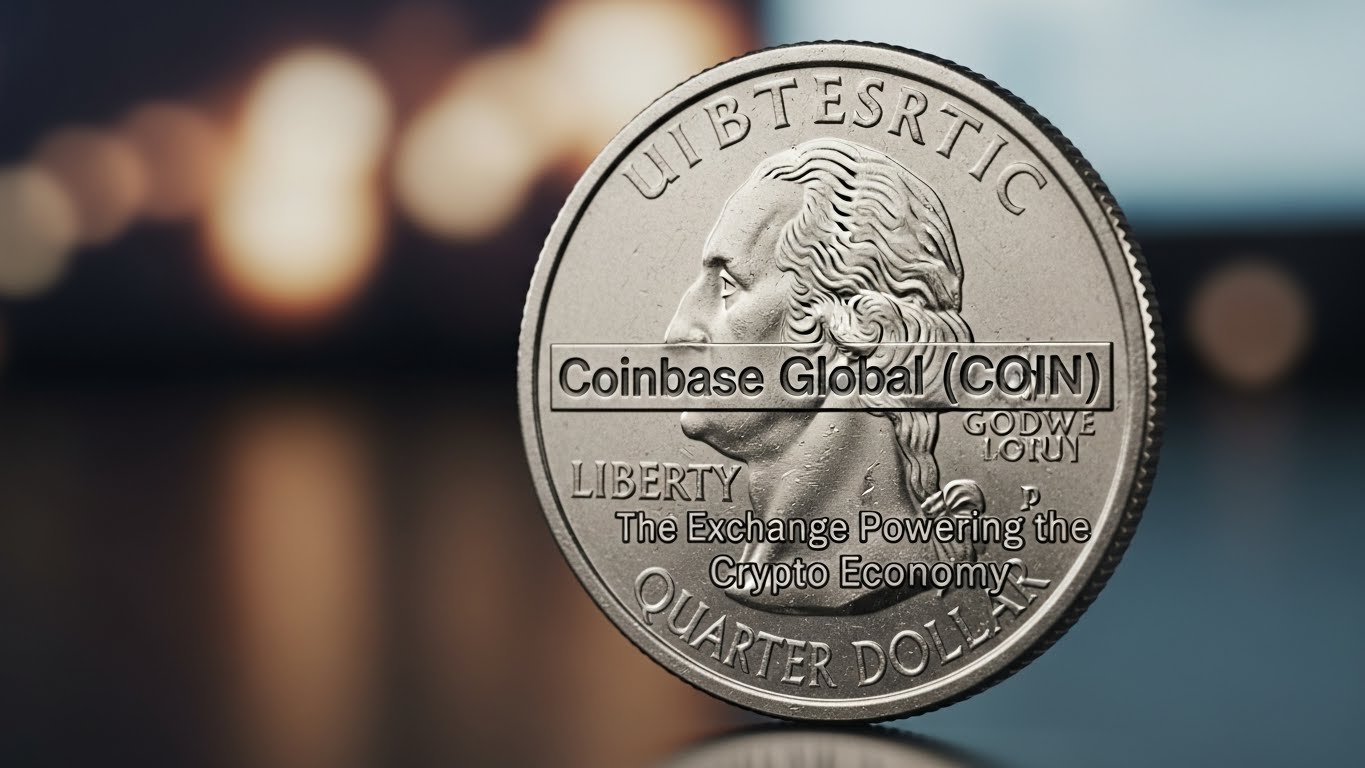
Coinbase Global stands among the most influential blockchain companies, acting as a gateway into the digital asset world for millions of users and thousands of institutions. Although widely known as a cryptocurrency exchange, its importance goes far deeper. Coinbase’s products include secure custody for institutional investors, blockchain analytics tools, wallet services, on-chain staking solutions, developer APIs, and integrations with numerous decentralized applications. It functions as a crucial infrastructure layer for the broader blockchain ecosystem.
Because Coinbase connects traditional finance to the cryptoeconomy, it benefits from long-term adoption of digital assets regardless of short-term price swings. Its trusted brand, regulatory alignment, and massive user base make it one of the top blockchain stocks to watch as more institutions seek compliant and scalable access to cryptocurrency markets.
Growth Drivers and Strategic Advantages
The long-term bull case for Coinbase is supported by rising transaction volumes, growing institutional interest, and increasing demand for secure crypto custody. As the regulatory environment around stablecoins and digital asset trading becomes clearer, Coinbase stands to benefit from being a compliant, publicly traded exchange with strong security records. Its participation in on-chain finance, Ethereum Layer-2 networks, decentralized ID, entity, nd Web3 wallets further strengthens its position.
Additionally, Coinbase’s shift toward subscription and services revenue, including custody fees and blockchain rewards, helps reduce dependence on volatile trading income. This makes the company more resilient across market cycles.
Risk Considerations
Despite its strengths, Coinbase faces several challenges. Trading revenues remain cyclical, competition is intense, and regulatory scrutiny in the U.S. continues to evolve. Any new policies affecting crypto exchanges, staking rewards, or digital asset classification could impact operations. Still, its strong balance sheet and established reputation keep Coinbase at the center of discussions about leading blockchain stocks.
Marathon Digital (MARA): A Major Force in Bitcoin Mining
Mining at Industrial Scale
Marathon Digital is one of the world’s largest publicly traded Bitcoin miners, operating vast fleets of specialized ASIC miners in high-capacity data centers. Its business model centers on validating Bitcoin transactions and securing the network, earning Bitcoin rewards in return. Because of its scale, access t,o energy and strong partnerships, Marathon maintains a competitive edge in an industry where efficiency is everything.
The company holds one of the largest Bitcoin treasuries among miners, which provides additional leverage during bull markets. This structure makes Marathon a high-beta play on Bitcoin itself, meaning its stock often moves more dramatically than the underlying cryptocurrency.
Why Marathon Stands Out
Investors monitor Marathon closely because it offers direct exposure to Bitcoin’s long-term performance while also expanding into new forms of compute infrastructure. The company continues to upgrade its mining equipment, improve energy e,fficiency and grow its operational capacity. As Bitcoin halvings reduce block rewards, only the most efficient miners tend to survive and thrive. Marathon’s large-scale operations and strategic energy sourcing may help protect margins during these shifts.
Understanding the Risks
Bitcoin mining comes with inherent risks. These include rising mining difficulty, fluctuating energy costs, regulatory uncertainty around the environment, tax impact, and the volatility of Bitcoin itself. But for investors who believe in the long-term value of Bitcoin and want exposure through a major mining leader, Marathon remains one of the top blockchain stocks to keep an eye on this season.
Riot Platforms (RIOT): Mining Meets Next-Generation Compute
A Major Player in North American Mining
Riot Platforms is another major Bitcoin mining company, operating massive facilities primarily in Texas. With enormous energy capacity and vertically integrated operations, Riot has built a reputation for industrial-scale mining that prioritizes efficiency and long-term infrastructure ownership. This scale gives it flexibility not only in mining but also in future expansion into alternative high-performance computing, including AI-driven workloads.
Strategic Positioning and Future Potential
One of the reasons Riot remains a top blockchain stock is its strategic approach to infrastructure. Investors have increasingly speculated that large mining companies like Riot could transition part of their facilities toward AI compute or data-center services in the future. Because Bitcoin mining and AI computing require similar hardware, Riot’s data centers provide a potential optionality that goes beyond cryptocurrency alone.
Challenges and Volatility Factors
Riot, like all miners, is sensitive to Bitcoin price swings, regulatory developments, and energy market volatility. Governance decisions and shareholder sentiment also play major roles, especially as miners consider diversifying revenue streams. Despite these challenges, Riot continues to attract attention as a stock that blends direct blockchain exposure with broader compute potential.
Block, Inc. (SQ): Bitcoin Integration in Modern Payments

From Square to Block: A Bitcoin-First Vision
Block, formerly Square, has grown into one of the most prominent fintech companies embracing blockchain technology. Its Cash App platform allows millions of users to buy, hold, and spend Bitcoin effortlessly, while its merchant ecosystem aims to integrate blockchain-powered financial services directly into retail and online commerce. What sets Block apart is its long-term commitment to a Bitcoin-centric strategy.
The company is also building hardware and open-source tools to expand Bitcoin accessibility. Its Bitkey wallet encourages secure self-custody, while its interest in Bitcoin mining hardware reflects founder Jack Dorsey’s vision of a more decentralized financial future.
Why Block Is Crucial for Blockchain Adoption
Block uniquely bridges consumer payments, merchant services, and decentralized digital assets. Cash App’s popularity among younger demographics and small businesses makes it an influential player in spreading Bitcoin adoption. By integrating blockchain payments into day-to-day commerce, Block extends the practical use of digital assets beyond speculation.
Risks and Market Considerations
Block’s diversified ecosystem means that Bitcoin-related revenue is only a portion of its business. This helps stabilize earnings but also means its stock doesn’t move in perfect correlation with Bitcoin or blockchain markets. Competition among digital wallets is significant, and regulatory shifts could influence Bitcoin payment features. Even so, Block remains one of the top blockchain stocks to watch because of its dedication to merging traditional fintech with decentralized systems.
Nvidia (NVDA): The Hardware Powering Blockchain and AI
GPUs as the Foundation of Blockchain Infrastructure
Nvidia is often associated with gaming and artificial intelligence, but its importance in blockchain cannot be overstated. High-performance GPUs are essential for specific types of mining, blockchain analytics, smart-contract development, AI-driven trading, and the infrastructure behind Web3 applications. As blockchain networks grow more complex, demand for advanced computing power continues to rise.
Nvidia’s latest GPU architectures are optimized for both AI and the computational tasks required in blockchain and cryptographic processing. This dual functionality places the company squarely at the intersection of two of the most powerful technological trends of the decade.
Why Nvidia Makes the List of Top Blockchain Stocks
Unlike companies fully dependent on crypto prices, Nvidia benefits from diversified demand across gaming, AI, data centers, and blockchain. This makes it a lower-volatility way to gain exposure to the blockchain sector while still benefiting from major adoption waves. As decentralized networks expand, the demand for high-end computation is unlikely to slow.
Considerations for Investors
Although Nvidia is not tied exclusively to blockchain, some investors prefer that stability. The key question is how much revenue ultimately comes from blockchain-related demand and whether competing chip manufacturers can erode its dominance in Web3-related data centers. Nonetheless, Nvidia remains a foundational name in the broader blockchain landscape.
IBM: Quietly Building Enterprise Blockchain Solutions
Enterprise Blockchain Beyond Speculation
IBM has spent years developing enterprise blockchain solutions using frameworks like Hyperledger Fabric. Unlike consumer-focused blockchain companies, IBM works with regulated industries such as finance, logistics, healthcare, and manufacturing to build permissioned distributed ledger systems. These systems support supply-chain transparency, cross-organizational data sharing, trade finance, and other mission-critical applications.
Why IBM Matters for Blockchain’s Future
IBM’s approach represents the more stable, enterprise-focused side of blockchain adoption. Instead of relying on token price movements, it builds real-world systems that companies use to increase efficiency and transparency. As more businesses transition from experimental blockchain pilots to production-grade deployments, IBM stands to benefit from rising corporate interest.
Challenges and Opportunities
IBM’s status as a diversified tech company means blockchain revenue forms only a segment of its operations. However, its reputation, enterprise relationships, and early leadership in permissioned blockchain development make it a significant player in long-term blockchain adoption.
PayPal (PYPL): Leading the Stablecoin Payment Revolution
Expanding Digital Payments Through PYUSD
PayPal’s launch of the PYUSD stablecoin has positioned it as a major contributor to blockchain-based payments. PYUSD is integrated into PayPal and Venmo, making it easy for millions of users to transfer stablecoins in a familiar environment. Stablecoins represent one of the fastest-growing sectors in blockchain because they blend the speed of crypto with the stability of fiat currency.
By extending PYUSD to blockchains like Stellar, PayPal is expanding the reach of its digital dollars across faster, low-cost payment networks. This makes PayPal one of the top blockchain stocks to watch as digital money becomes more programmable and borderless.
The Push Toward On-Chain Commerce
PayPal’s efforts go far beyond enabling simple transfers. The company is developing merchant tools, payout systems, and checkout integrations designed specifically for stablecoins. This could transform how businesses handle cross-border payments, reduce reliance on traditional card networks, and support faster settlement times.
Advantages and Growing Pains
PayPal’s massive user base gives it unmatched leverage in bringing stablecoin payments to the mainstream. However, stablecoins are closely scrutinized by regulators, and technical challenges—such as past partner errors in token minting—highlight the complexity of programmable money. Still, PayPal’s scale and leadership in digital payments give it a significant edge in shaping the next generation of blockchain-enabled commerce.
How to Approach Investing in Blockchain Stocks
Aligning Your Investment Thesis With the Right Companies
Before choosing among these top blockchain stocks, it is important to understand your own investment thesis. You believe Bitcoin will remain central to the digital economy, stocks like Marathon and Riot offer the most direct exposure. If your interest lies in the infrastructure powering Web3, then Coinbase, PayPal, and Block may make more sense. If you prefer broader exposure through enterprise technology or high-performance hardware, Nvidia and IBM offer more stable alternatives.
By aligning your expectations with each company’s strengths, you reduce the risk of holding stocks that respond to market forces unrelated to your goals.
Evaluating Fundamentals Instead of Hype
Blockchain sectors can generate intense excitement, but long-term success still depends on fundamentals. Revenue growth, profitability, innovation pipelines, market positioning, and management quality all play critical roles. Companies with strong core businesses—not just blockchain exposure—tend to fare better across cycles. This is why names like Nvidia, PayPal, Block, and IBM often offer more balanced risk profiles than pure-play blockchain companies.
Final Thoughts
As of November 21st, the blockchain sector is more diverse and dynamic than ever. Coinbase leads as a gateway to the crypto economy. Marathon Digital and Riot Platforms capture the energy and scale of Bitcoin mining. Block and PayPal push blockchain deeper into mainstream payments. Nvidia provides the computational backbone for both blockchain and AI. IBM quietly builds enterprise-grade solutions that anchor blockchain in the real world.
Together, these companies represent different facets of the future digital economy. By understanding how each fits into the broader blockchain ecosystem, investors can build a watchlist that balances growth potential, innovation,n and long-term stability. Blockchain continues to reshape global finance, and the companies behind these transformations offer compelling stories for anyone seeking forward-looking opportunities in the modern market.