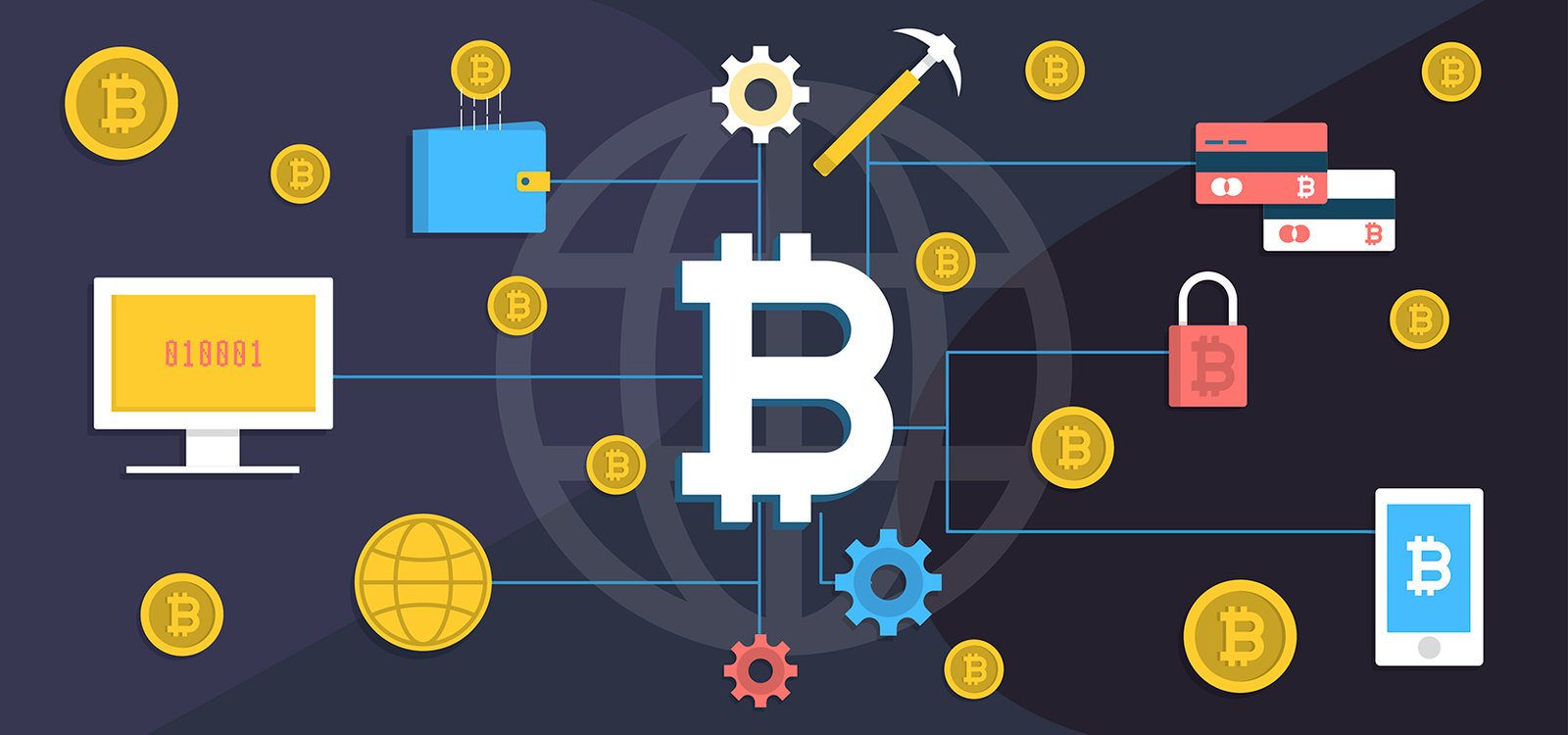
The complete guide to cryptocurrency basics is available online. Whether you’re a complete beginner or looking to solidify your understanding of digital currencies, this tutorial will walk you through everything you need to know about cryptocurrency fundamentals. In today’s rapidly evolving financial landscape, understanding cryptocurrency has become essential for anyone interested in modern investing, technology, or financial independence. This comprehensive guide encompasses blockchain technology, popular cryptocurrencies such as Bitcoin and Ethereum, wallet security, and practical steps to ensure a safe start. By the end of this cryptocurrency basics tutorial, you’ll have the confidence to navigate the digital asset world with knowledge and security.
What is Cryptocurrency? Understanding Digital Currency Fundamentals
Cryptocurrency represents a revolutionary form of digital money that operates independently of traditional banking systems. Unlike conventional currencies controlled by governments and central banks, cryptocurrencies use advanced cryptographic techniques to secure transactions and control the creation of new units. The foundations of all cryptocurrencies lie in blockchain technology, which creates a decentralised ledger that records all transactions across a network of computers.
Bitcoin, launched in 2009 by the pseudonymous Satoshi Nakamoto, became the first successful cryptocurrency, and it remains the most valuable and widely recognised digital asset. Since then, thousands of alternative cryptocurrencies (altcoins) have emerged, each with unique features and purposes.
Cryptocurrency Basics Tutorial Complete: Core Concepts You Must Know
Understanding Blockchain Technology
Blockchain serves as the backbone of cryptocurrency systems. Imagine it as a global network of thousands of computers simultaneously storing a digital ledger. Each “block” encompasses a collection of transactions, chronologically connected to form a “chain.” This decentralised structure makes it nearly impossible to alter or manipulate transactional records.
The blockchain’s transparency allows anyone to verify transactions while maintaining user privacy through cryptographic addresses. This innovation eliminates the need for intermediaries like banks, reducing transaction costs and processing times.
Digital Wallets and Private Keys
A cryptocurrency wallet doesn’t store your coins—instead, it holds the private keys that prove ownership of your digital assets on the blockchain. These wallets come in various forms:
Hot Wallets connect to the internet and offer convenience for frequent transactions. Examples include mobile apps, desktop software, and web-based wallets. While user-friendly, they’re more vulnerable to hacking attempts.
Cold Wallets remain offline and provide maximum security for long-term storage. Hardware wallets and paper wallets fall into this category, offering protection against online threats but requiring more technical knowledge to use safely.
Popular Cryptocurrencies Explained
Bitcoin (BTC) continues to be the leading cryptocurrency, frequently referred to as “digital gold” because of its strong store of value characteristics. With a limited supply of 21 million coins, Bitcoin has gained acceptance as both a payment method and an investment asset.
Ethereum (ETH) introduced smart contracts, enabling developers to build decentralised applications (dApps) on its blockchain. This innovation sparked the creation of decentralised financial protocols (DeFi) and non-fungible tokens (NFTs).
Other Notable Cryptocurrencies include Binance Coin (BNB), Cardano (ADA), and Solana (SOL), each offering unique features and serving different purposes within the cryptocurrency ecosystem.
How to Get Started with Cryptocurrency: Step-by-Step Guide
Choosing a Cryptocurrency Exchange
Selecting a reputable exchange is crucial for your cryptocurrency journey. When researching platforms like Coinbase, Binance, or Kraken, consider factors such as their security measures, the cryptocurrencies they support, their fees, and the user interface. Always verify the exchange’s regulatory compliance in your jurisdiction.
Setting Up Your First Wallet
Begin with a reputable hot wallet for small amounts and learning purposes. Popular options include MetaMask for Ethereum-based tokens or the official Bitcoin wallet. As your holdings grow, consider investing in a hardware wallet like Ledger or Trezor for enhanced security.
Making Your First Purchase
Start small with a modest investment you can afford to lose. Most exchanges allow you to buy fractions of cryptocurrencies, so you don’t need to purchase entire coins. Consider dollar-cost averaging—making regular, small purchases over time to reduce the impact of price volatility.
Cryptocurrency Security Best Practices
Security should be your top priority when dealing with cryptocurrency. Enable two-factor authentication on all accounts, use strong, unique passwords, and never share your private keys with anyone. Be wary of phishing attempts and always double-check website URLs before entering sensitive information.
Regular software updates and using official wallets from trusted sources help protect against vulnerabilities. Consider using multiple wallets to spread risk and never store large amounts on exchanges long-term.
Common Cryptocurrency Mistakes to Avoid
New users often fall victim to FOMO (fear of missing out) and invest more than they can afford to lose. Avoid emotional decision-making and stick to a well-researched investment strategy. Don’t neglect to keep backup copies of your wallet recovery phrases in secure, offline locations.
Another common mistake is ignoring tax implications. Cryptocurrency transactions may be taxable events in your jurisdiction, so maintain detailed records of all trades and purchases.
The Future of Cryptocurrency and Blockchain Technology
Cryptocurrency adoption continues growing as major corporations and financial institutions integrate digital assets into their operations. Worldwide efforts are underway to develop Central Bank Digital Currencies (CBDCs), which have the potential to integrate the benefits of cryptocurrency with traditional finance. Emerging technologies like Web3, DeFi, and NFTs are expanding cryptocurrency’s utility beyond simple transactions, creating new opportunities for innovation and investment.
Conclusion
This cryptocurrency basics complete guide has equipped you with fundamental knowledge to begin your digital asset journey safely and confidently. Remember that cryptocurrency represents both significant opportunities and substantial risks. Start with small investments, prioritise security, and continue learning as the space evolves rapidly.
Ready to put your knowledge into practice? Begin by choosing a reputable exchange, setting up a secure wallet, and making your first small cryptocurrency purchase. Take advantage of this comprehensive cryptocurrency basics tutorial to build a strong foundation in digital assets, but always remember to invest responsibly and never more than you can afford to lose.
Explore more articles like this
Subscribe to the Finance Redefined newsletter
A weekly toolkit that breaks down the latest DeFi developments, offers sharp analysis, and uncovers new financial opportunities to help you make smart decisions with confidence. Delivered every Friday
By subscribing, you agree to our Terms of Services and Privacy Policy
The cryptocurrency revolution has created unprecedented opportunities for savvy investors and traders worldwide. If you’re searching for the best bitcoin trading course with certificate, you’ve landed at the right place. Professional certification in Bitcoin trading has become essential for anyone serious about building a successful career in cryptocurrency markets or maximizing their personal investment returns.
Finding the best bitcoin trading course with certificate requires careful evaluation of curriculum quality, instructor expertise, certification credibility, and real-world application opportunities. Unlike free online resources that offer fragmented information, certified programs provide comprehensive, structured education that transforms beginners into competent traders equipped with proven strategies, risk management techniques, and industry-recognized credentials.
The demand for qualified Bitcoin trading professionals continues to surge as institutional investors, hedge funds, and traditional financial institutions embrace cryptocurrency markets. This growing demand makes certified Bitcoin trading education not just valuable, but essential for career advancement and trading success in today’s competitive landscape.
Why the Best Bitcoin Trading Course with Certificate Matters
Professional Recognition and Career Advancement
Earning certification from the best bitcoin trading course with certificate establishes your professional credibility in the rapidly expanding cryptocurrency industry. Unlike informal learning methods, certified programs provide documented proof of your expertise that employers, clients, and trading platforms recognize and value.
Professional certification demonstrates your commitment to mastering proper trading methodologies rather than relying on speculation or unverified strategies. This credibility becomes invaluable when pursuing employment opportunities with cryptocurrency exchanges, investment firms, hedge funds, or when establishing your own trading consultancy services.
The cryptocurrency industry values professionals who have invested in formal education and can demonstrate comprehensive knowledge of trading principles, risk management, regulatory compliance, and market analysis techniques.
Structured Learning Path for Optimal Results
The best bitcoin trading course with certificate programs follow carefully designed curricula that build knowledge systematically. This structured approach ensures students master fundamental concepts before progressing to advanced strategies, significantly reducing the learning curve compared to self-directed study.
Professional courses typically begin with cryptocurrency fundamentals, progress through technical and fundamental analysis, cover risk management extensively, and conclude with advanced trading strategies. This logical progression prevents knowledge gaps that often lead to costly trading mistakes.
Structured learning includes hands-on practice with real trading platforms, paper trading exercises, case study analysis, and direct interaction with experienced instructors who provide personalized feedback and guidance.
Top Features of the Best Bitcoin Trading Course with Certificate Programs
Comprehensive Curriculum Coverage
The best bitcoin trading course with certificate programs provide extensive coverage of all essential trading topics. Quality courses include detailed modules on Bitcoin fundamentals, blockchain technology basics, market analysis techniques, trading psychology, risk management, and regulatory considerations.
Advanced programs also cover derivatives trading, portfolio management, institutional trading strategies, and emerging developments like DeFi integration and NFT markets. This comprehensive approach ensures graduates possess well-rounded knowledge applicable across various cryptocurrency trading scenarios.
Look for courses that balance theoretical knowledge with practical application, offering real-world examples, case studies, and hands-on exercises that reinforce learning and build confidence.
Expert Instruction and Mentorship
The caliber of instructors distinguishes the best certification programs from mediocre alternatives. Top programs feature instructors with proven track records in cryptocurrency trading, financial education backgrounds, and current industry involvement.
Expert instructors bring real-world experience, sharing practical insights and strategies that aren’t available in textbooks or free online resources. They provide personalized feedback on trading strategies, help students avoid common pitfalls, and offer ongoing mentorship beyond course completion.
Many premium programs include one-on-one mentoring sessions, group coaching calls, and access to exclusive trading communities where students can network with successful traders and industry professionals.
Industry-Recognized Certification
The most valuable Bitcoin trading certifications come from programs affiliated with established financial education organizations, endorsed by reputable cryptocurrency exchanges, or recognized by industry associations. These credentials carry weight with employers and clients because they represent verified competency standards.
Quality certifications clearly outline the knowledge areas covered, skills demonstrated, and competency levels achieved. They often include continuing education requirements to maintain certification validity, ensuring holders stay current with evolving market conditions and regulatory changes.
Research the recognition and acceptance of certification programs within the cryptocurrency industry before enrolling to ensure your investment provides maximum career value.
Detailed Comparison of Leading Bitcoin Trading Certification Programs
Traditional Financial Education Providers
Established financial education institutions have expanded into cryptocurrency training, offering Bitcoin trading courses that leverage their educational expertise and industry connections. These programs often provide the most comprehensive certification credentials and strongest industry recognition.
Major financial education providers typically offer structured curricula, experienced instructors, extensive support resources, and networking opportunities with finance professionals. However, their cryptocurrency content may lag behind specialized crypto education providers in covering cutting-edge developments.
These programs excel in covering fundamental analysis, risk management, regulatory compliance, and professional trading standards that traditional finance emphasizes.
Specialized Cryptocurrency Education Platforms
Dedicated cryptocurrency education platforms often provide the most current and specialized Bitcoin trading content. These providers focus exclusively on digital assets, ensuring their curricula reflect the latest market developments, trading strategies, and technological innovations.
Specialized platforms typically offer more practical, hands-on training with current trading tools, platforms, and strategies that active cryptocurrency traders use daily. Their instructors often include successful crypto traders and blockchain industry professionals with current market experience.
However, these programs may vary in certification quality and industry recognition, requiring careful evaluation of their credentials and graduate outcomes.
Exchange-Sponsored Education Programs
Major cryptocurrency exchanges increasingly offer educational programs to develop skilled traders who will use their platforms. These programs provide insider knowledge of trading tools, platform features, and market-making strategies specific to their ecosystems.
Exchange-sponsored programs often include practical training on their trading platforms, access to advanced tools, and sometimes preferential trading conditions for graduates. They typically focus on practical trading skills rather than theoretical concepts.
The limitation of exchange-specific programs is their focus on particular platforms and potential bias toward their trading tools and strategies.
Essential Components of the Best Bitcoin Trading Course with Certificate
Fundamental Analysis Mastery
Understanding Bitcoin’s intrinsic value drivers forms the foundation of successful long-term trading strategies. The best bitcoin trading course with certificate programs provide comprehensive training in fundamental analysis techniques specific to cryptocurrency markets.
Students learn to evaluate macroeconomic factors affecting Bitcoin prices, including institutional adoption trends, regulatory developments, network security metrics, and market sentiment indicators. This knowledge enables informed decision-making based on underlying value rather than purely technical signals.
Fundamental analysis training covers on-chain metrics analysis, network hash rate interpretation, transaction volume analysis, and correlation studies with traditional financial markets. These skills help traders identify genuine market opportunities versus temporary price fluctuations.
Advanced Technical Analysis Training
Technical analysis skills are crucial for identifying optimal entry and exit points in Bitcoin trading. Professional courses cover essential chart patterns, support and resistance identification, trend analysis, and momentum indicators specific to cryptocurrency markets.
Advanced technical analysis includes candlestick pattern recognition, volume profile analysis, multi-timeframe analysis, and cryptocurrency-specific indicators. Students master popular tools like moving averages, RSI, MACD, Bollinger Bands, and specialized crypto indicators.
The best programs also cover algorithmic trading concepts, automated trading system development, and backtesting strategies to optimize trading performance and reduce emotional decision-making.
Risk Management and Portfolio Optimization
Professional Bitcoin trading requires sophisticated risk management techniques to preserve capital during volatile market conditions. Quality certification programs emphasize position sizing calculations, stop-loss strategies, portfolio diversification, and emotional discipline.
Students learn to calculate risk-reward ratios, implement proper money management rules, and develop trading plans that protect capital while maximizing profit potential. Risk management training includes leverage management, correlation analysis, and hedging strategies using derivatives.
Portfolio optimization covers asset allocation strategies, rebalancing techniques, and diversification approaches specific to cryptocurrency portfolios, including considerations for Bitcoin’s correlation with other digital assets and traditional markets.
Practical Training and Real-World Application
Live Trading Simulations and Paper Trading
The best bitcoin trading course with certificate programs include extensive practical training through simulated trading environments and paper trading exercises. These risk-free practice opportunities allow students to apply theoretical knowledge without financial consequences.
Live trading simulations use real market data to create authentic trading experiences where students can test strategies, practice platform navigation, and develop emotional discipline. Instructors provide feedback on trading decisions and help students refine their approaches.
Paper trading extends beyond simple buy/sell exercises to include portfolio management, risk assessment, and performance analysis. Students learn to track their trading performance, identify strengths and weaknesses, and continuously improve their strategies.
Real Market Analysis and Case Studies
Quality programs include regular real market analysis sessions where instructors demonstrate live trading decisions using current market conditions. Students observe how professional traders interpret market data, identify opportunities, and execute trades in real-time.
Case study analysis covers historical market events, successful trading strategies, and learning from notable market failures. These examples provide context for theoretical concepts and demonstrate how market principles apply in various conditions.
Students participate in group analysis exercises, discussing market scenarios and developing trading strategies collaboratively. This peer learning approach reinforces concepts and exposes students to diverse perspectives and approaches.
Trading Platform Proficiency Development
Professional Bitcoin trading requires mastery of various trading platforms and tools. The best certification programs provide hands-on training with major cryptocurrency exchanges, charting software, and analysis tools that professional traders use daily.
Platform training covers order types, advanced charting features, portfolio tracking tools, and platform-specific functionality. Students learn to navigate multiple exchanges efficiently and understand the advantages and limitations of different trading environments.
Advanced platform training includes API usage for automated trading, custom indicator development, and integration with third-party analysis tools that enhance trading capabilities and efficiency.
Career Opportunities and Professional Benefits
Employment Opportunities in Cryptocurrency Industry
Graduates of the best bitcoin trading course with certificate programs access diverse career opportunities in the rapidly expanding cryptocurrency sector. Financial institutions, cryptocurrency exchanges, hedge funds, and blockchain companies actively recruit certified Bitcoin trading professionals.
Career paths include cryptocurrency analyst positions, trading desk roles, portfolio management, risk management, compliance, and client advisory services. The official certification provides credible evidence of expertise that differentiates qualified candidates from self-taught applicants.
Many graduates also pursue entrepreneurial opportunities, establishing trading consultancies, educational services, or cryptocurrency investment advisory firms. The certification provides credibility needed to attract clients and build successful businesses.
Enhanced Personal Trading Performance
Professional education significantly improves personal trading results by providing structured knowledge, proven strategies, and disciplined approaches to market participation. Certified traders typically achieve better risk-adjusted returns than amateur traders who rely on speculation or incomplete information.
The comprehensive risk management training helps traders preserve capital during market downturns while positioning for profit during favorable conditions. This capital preservation is often the difference between long-term trading success and failure.
Advanced analysis techniques and market understanding enable certified traders to identify opportunities that less educated participants miss, providing competitive advantages in increasingly crowded cryptocurrency markets.
Network Building and Professional Community Access
Premium Bitcoin trading certification programs provide access to exclusive communities of graduates, industry professionals, and ongoing educational resources. These networks offer tremendous value through shared insights, collaboration opportunities, and professional relationships.
Professional networking within cryptocurrency communities leads to business opportunities, employment prospects, and ongoing learning from experienced practitioners. Many successful traders attribute significant portions of their success to professional relationships developed through quality educational programs.
Ongoing community access includes regular market updates, strategy discussions, regulatory briefings, and advance notice of industry developments that can impact trading decisions.
Evaluating Program Quality and Choosing the Right Course
Instructor Credentials and Experience Verification
Selecting the best bitcoin trading course with certificate requires thorough evaluation of instructor qualifications and experience. Research instructor backgrounds to verify their cryptocurrency trading experience, educational credentials, and industry reputation.
Look for instructors with verifiable track records in Bitcoin trading, published research or analysis, speaking engagements at industry events, and current involvement in cryptocurrency markets. Avoid programs where instructors cannot demonstrate legitimate expertise or trading success.
Quality programs provide detailed instructor biographies, trading histories, and examples of their market analysis or trading strategies. Transparency about instructor qualifications indicates program integrity and educational value.
Curriculum Depth and Current Relevance
The cryptocurrency market evolves rapidly, making current and comprehensive curriculum content essential. Evaluate course syllabi to ensure coverage of both fundamental trading principles and current market realities.
Quality programs regularly update their content to reflect new trading strategies, regulatory changes, technological developments, and market structure evolution. Outdated information can be counterproductive in fast-moving cryptocurrency markets.
Review sample course materials, video previews, and curriculum outlines to assess content quality, presentation style, and educational approach. The best programs balance theoretical knowledge with practical application and current market relevance.
Student Support and Success Resources
Comprehensive student support distinguishes excellent programs from basic course offerings. Look for programs providing multiple support channels, including live Q&A sessions, discussion forums, email support, and additional learning resources.
Quality programs offer webinars, market update sessions, supplementary reading materials, and access to trading tools that enhance the learning experience. Ongoing support helps students clarify concepts, discuss market situations, and receive feedback on their progress.
Evaluate the availability and responsiveness of student support services, as well as the quality of additional resources provided to enhance learning and trading success.
Advanced Trading Strategies and Specialized Training
Institutional Trading Approaches
The best bitcoin trading course with certificate programs often include training in institutional trading strategies used by professional trading firms and hedge funds. These advanced approaches differ significantly from retail trading methods in scale, sophistication, and risk management.
Institutional strategies cover market making, arbitrage opportunities, large order execution techniques, and portfolio hedging using derivatives. Students learn how institutional traders analyze market structure, identify liquidity patterns, and execute large trades without significantly impacting prices.
Understanding institutional approaches provides insights into market dynamics that retail traders can leverage to improve their own trading performance and market timing.
Derivatives and Advanced Instruments
Advanced Bitcoin trading involves sophisticated instruments like futures, options, perpetual swaps, and structured products. Professional certification programs provide comprehensive training in these complex instruments and their strategic applications.
Derivatives training covers hedging strategies, leverage management, spread trading, and complex options strategies that provide profit opportunities in various market conditions. Students learn to use these instruments for risk management and return enhancement.
Understanding derivatives markets is essential for advanced traders who want to profit in both rising and falling markets while managing portfolio risk more effectively than simple spot trading allows.
Algorithmic Trading and Automation
Modern cryptocurrency trading increasingly relies on algorithmic trading systems and automated strategies. Leading certification programs introduce students to algorithmic trading concepts, automated trading system development, and strategy backtesting.
Algorithmic training covers strategy development, backtesting methodologies, risk controls, and system monitoring techniques. Students learn to develop, test, and implement automated trading strategies that can execute trades faster and more consistently than manual approaches.
This technical training provides competitive advantages in markets where milliseconds can determine trading success, and emotional discipline becomes critical for consistent performance.
Regulatory Compliance and Professional Standards
Understanding Global Cryptocurrency Regulations
Professional Bitcoin traders must understand the complex and evolving regulatory landscape governing cryptocurrency trading across different jurisdictions. The best bitcoin trading course with certificate programs provide comprehensive regulatory training.
Regulatory training covers current laws, compliance requirements, reporting obligations, and anticipated regulatory developments in major markets. Students learn to navigate legal requirements while optimizing their trading strategies and business operations.
Understanding regulations helps traders avoid costly violations while positioning their activities to benefit from regulatory clarity and institutional adoption trends.
Tax Optimization and Record Keeping
Cryptocurrency trading has significant tax implications that require careful planning and meticulous record keeping. Professional programs teach proper documentation, tax calculation methods, and optimization strategies for various jurisdictions.
Tax training covers transaction recording, cost basis calculations, holding period optimization, and legitimate tax reduction strategies. Students learn to maintain proper records and work effectively with tax professionals who specialize in cryptocurrency taxation.
Proper tax planning and compliance prevent costly penalties while optimizing after-tax returns through strategies like tax-loss harvesting and strategic timing of realized gains and losses.
Professional Ethics and Industry Standards
Professional Bitcoin trading involves ethical considerations and industry standards that distinguish legitimate professionals from amateur speculators. Certification programs emphasize fair trading practices, client relationship management, and professional conduct.
Ethics training covers conflicts of interest, client confidentiality, fair dealing, and professional responsibilities. Students learn industry standards expected in financial services and how to build trustworthy relationships with clients and colleagues.
Understanding professional ethics builds credibility and supports long-term career success in cryptocurrency-related fields where reputation and trust are essential for business development.
Conclusion
Choosing the best bitcoin trading course with certificate represents a crucial investment in your cryptocurrency trading success and career advancement. The right program provides comprehensive knowledge, practical skills, industry recognition, and professional networking opportunities that accelerate your path to trading proficiency.
The cryptocurrency market offers tremendous opportunities for educated, disciplined traders who understand market dynamics, risk management, and advanced trading strategies. Professional certification distinguishes serious traders from amateur speculators and provides the credibility needed for career advancement in the growing cryptocurrency industry.
Explore more articles like this
Subscribe to the Finance Redefined newsletter
A weekly toolkit that breaks down the latest DeFi developments, offers sharp analysis, and uncovers new financial opportunities to help you make smart decisions with confidence. Delivered every Friday
By subscribing, you agree to our Terms of Services and Privacy Policy