













Blockchain Supply Chain Management Solutions 2025

blockchain technology for supply chain management

COIN4U IN YOUR SOCIAL FEED

The global supply chain industry faces unprecedented challenges in tracking products, ensuring authenticity, and maintaining transparency across complex networks. Blockchain technology for supply chain management emerges as a transformative solution that addresses these critical issues while revolutionizing how businesses operate in the modern economy. This distributed ledger technology creates an immutable record of transactions and movements throughout the entire supply chain journey.

Companies worldwide are discovering that implementing blockchain technology for supply chain management provides unparalleled visibility into their operations. From raw material sourcing to final product delivery, every step becomes traceable, verifiable, and secure. Major corporations like Walmart, Maersk, and De Beers have already demonstrated the powerful impact of blockchain solutions in creating more efficient, transparent, and trustworthy supply chains.

What is Blockchain Technology for Supply Chain Management?

Blockchain technology for supply chain management represents a paradigm shift from traditional centralized tracking systems to decentralized, transparent networks. This innovative approach creates a digital ledger that records every transaction, movement, and change of ownership throughout the supply chain process.

Core Components of Supply Chain Blockchain Systems

The foundation of blockchain supply chain solutions rests on several key components that work together seamlessly. Smart contracts automate verification processes and execute predetermined actions when specific conditions are met. Digital timestamps create chronological records of every transaction, while cryptographic hashing ensures data integrity and prevents tampering.

Distributed nodes across the network validate transactions and maintain synchronized copies of the ledger. This decentralized structure eliminates single points of failure and reduces the risk of data manipulation or loss. Each participant in the supply chain network can access relevant information while maintaining appropriate privacy controls.

How Blockchain Transforms Traditional Supply Chain Operations

Traditional supply chain systems rely heavily on paper-based documentation and centralized databases that create bottlenecks and vulnerabilities. Blockchain technology eliminates these limitations by providing real-time visibility and automated verification processes.

The technology enables instant verification of product authenticity, origin, and handling conditions throughout the entire journey. Companies can quickly identify and isolate contaminated or counterfeit products, significantly reducing the impact of recalls and protecting consumer safety.

Key Benefits of Implementing Blockchain in Supply Chain Management

Key Benefits of Implementing Blockchain in Supply Chain Management

Enhanced Transparency and Traceability

Blockchain creates an unprecedented level of transparency in supply chain operations by providing a complete, unalterable record of product journeys. Every stakeholder can track items from their origin through manufacturing, distribution, and retail stages.

This transparency builds consumer trust and enables companies to verify sustainability claims, ethical sourcing practices, and quality standards. Customers increasingly demand proof of responsible business practices, and blockchain provides the verifiable evidence they seek.

Improved Security and Fraud Prevention

The immutable nature of blockchain records makes fraud and counterfeiting significantly more difficult. Each transaction requires cryptographic verification, and any attempt to alter historical records becomes immediately apparent to network participants.

Supply chain fraud costs businesses billions of dollars annually through counterfeit products, documentation fraud, and cyber attacks. Blockchain technology creates multiple layers of security that protect against these threats while maintaining operational efficiency.

Streamlined Compliance and Reporting

Regulatory compliance becomes more manageable when companies implement blockchain technology for supply chain management. Automated record-keeping and real-time auditing capabilities simplify the process of demonstrating compliance with industry standards and government regulations.

Companies can generate comprehensive reports instantly, showing the complete history of products and transactions. This capability proves invaluable during regulatory audits and helps organizations maintain certifications more efficiently.

Real-World Applications of Blockchain Supply Chain Solutions

Food Industry Transformation

The food industry has embraced blockchain technology to address concerns about safety, authenticity, and sustainability. Walmart’s blockchain initiative allows the company to trace contaminated products within seconds rather than days or weeks.

Farm-to-table traceability ensures consumers know exactly where their food originated, how it was produced, and the conditions under which it traveled. This level of transparency helps prevent foodborne illness outbreaks and builds consumer confidence in food safety.

Pharmaceutical Supply Chain Security

Counterfeit medications pose serious health risks and cost the pharmaceutical industry billions in lost revenue. Blockchain technology for supply chain management creates tamper-proof records that verify medication authenticity at every step.

Each pharmaceutical product receives a unique digital identity that travels with it throughout the supply chain. Pharmacists and healthcare providers can instantly verify that medications are genuine and have been stored under proper conditions.

Luxury Goods Authentication

High-end fashion brands and luxury goods manufacturers use blockchain to combat counterfeiting and protect their brand reputation. Digital certificates of authenticity become permanently linked to physical products, making counterfeiting extremely difficult.

Consumers can verify the authenticity of luxury purchases by scanning QR codes or NFC tags that connect to blockchain records. This verification process protects both brands and consumers from counterfeit products.

Automotive Industry Applications

The automotive industry leverages blockchain technology to track vehicle parts throughout manufacturing and maintenance processes. This comprehensive tracking ensures quality control and helps identify defective components quickly.

Blockchain records create permanent maintenance histories that increase vehicle resale values and improve safety by ensuring proper servicing. Insurance companies also benefit from access to verified maintenance and accident records.

Implementation Strategies for Blockchain Supply Chain Systems

Assessment and Planning Phase

Successful blockchain implementation begins with a thorough assessment of existing supply chain processes and identification of areas where blockchain technology can provide the most value. Companies must evaluate their current technology infrastructure and determine integration requirements.

Stakeholder buy-in becomes critical during the planning phase, as blockchain networks require participation from multiple parties throughout the supply chain. Clear communication about benefits and expectations helps ensure smooth implementation.

Technology Selection and Integration

Choosing the right blockchain platform depends on specific business requirements, scalability needs, and integration capabilities. Popular options include Ethereum, Hyperledger Fabric, and specialized supply chain platforms like VeChain.

Integration with existing enterprise resource planning (ERP) systems and inventory management tools requires careful planning and technical expertise. Companies often work with blockchain consultants or technology partners to ensure seamless integration.

Pilot Programs and Gradual Rollout

Starting with pilot programs allows companies to test blockchain technology for supply chain management on a smaller scale before full implementation. These pilots help identify potential issues and refine processes before expanding to the entire supply chain network.

Successful pilot programs demonstrate tangible benefits to stakeholders and provide valuable learning experiences that inform larger-scale deployments. Companies can use pilot results to secure additional funding and support for broader implementation.

Challenges and Solutions in Blockchain Supply Chain Implementation

Scalability and Performance Considerations

Blockchain networks must handle high transaction volumes while maintaining acceptable performance levels. Traditional blockchain platforms sometimes struggle with the speed requirements of global supply chains that process millions of transactions daily.

Solutions include hybrid blockchain architectures that combine public and private networks, off-chain processing for high-volume transactions, and next-generation blockchain platforms designed specifically for enterprise applications.

Interoperability Between Different Systems

Supply chains typically involve multiple companies using different technology systems and standards. Ensuring seamless communication between various blockchain networks and legacy systems requires careful planning and standardization efforts.

Industry collaborations and standardization initiatives help address interoperability challenges. Organizations like the Global Standards One (GS1) work to develop universal standards for blockchain supply chain applications.

Cost and Resource Requirements

Implementing blockchain technology requires significant upfront investment in technology infrastructure, training, and change management. Smaller companies may find these costs challenging, particularly when the return on investment takes time to materialize.

Cloud-based blockchain solutions and blockchain-as-a-service platforms help reduce implementation costs and technical complexity. These solutions allow companies to leverage blockchain benefits without massive infrastructure investments.

Future Trends in Blockchain Supply Chain Technology

Integration with Internet of Things (IoT) Devices

The combination of blockchain technology and IoT sensors creates powerful supply chain monitoring capabilities. Smart sensors can automatically record temperature, humidity, location, and handling conditions directly to the blockchain.

This integration enables real-time monitoring of sensitive products like pharmaceuticals, fresh food, and chemicals. Automated alerts notify stakeholders immediately when products experience conditions outside acceptable parameters.

Artificial Intelligence and Machine Learning Enhancement

AI and machine learning algorithms can analyze blockchain supply chain data to identify patterns, predict disruptions, and optimize operations. These technologies work together to create intelligent supply chains that continuously improve performance.

Predictive analytics help companies anticipate demand fluctuations, identify potential bottlenecks, and optimize inventory levels. Machine learning algorithms can detect anomalies that might indicate fraud or quality issues.

Sustainability and Environmental Tracking

Environmental consciousness drives increased demand for sustainable supply chain practices. Blockchain technology enables detailed tracking of carbon footprints, waste generation, and resource consumption throughout the supply chain.

Companies can provide verifiable proof of sustainability claims and work toward environmental goals with greater precision. This capability becomes increasingly important as consumers and regulators demand greater environmental responsibility.

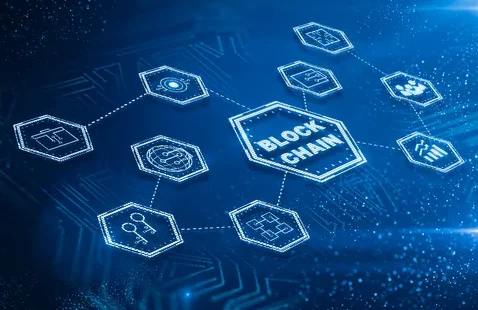
Best Practices for Successful Blockchain Supply Chain Implementation
Best Practices for Successful Blockchain Supply Chain Implementation

Building Strategic Partnerships

Successful blockchain supply chain implementations require collaboration between multiple stakeholders. Building strong partnerships with suppliers, distributors, technology providers, and customers ensures network-wide adoption and maximum benefits.

Industry consortiums and collaborative initiatives help establish common standards and reduce implementation costs. Companies benefit from shared expertise and reduced technology risks through these partnerships.

Employee Training and Change Management

Implementing blockchain technology requires significant changes to existing processes and workflows. Comprehensive training programs help employees understand new systems and adapt to changed responsibilities.

Change management strategies should address resistance to new technology and emphasize the benefits blockchain brings to daily operations. Clear communication and ongoing support help ensure successful adoption.

Continuous Monitoring and Optimization

Blockchain supply chain systems require ongoing monitoring and optimization to maintain peak performance. Regular assessment of key performance indicators helps identify areas for improvement and ensures systems meet evolving business needs.

Feedback from users and stakeholders provides valuable insights for system enhancements. Companies should establish processes for collecting, analyzing, and acting on this feedback to continuously improve their blockchain implementations.

ROI and Business Impact of Blockchain Supply Chain Solutions

Quantifying Financial Benefits

Companies implementing blockchain technology for supply chain management typically see significant returns on investment through reduced fraud, improved efficiency, and enhanced customer trust. Cost savings often come from eliminated intermediaries, reduced paperwork, and faster dispute resolution.

Revenue increases result from improved product quality, faster time-to-market, and enhanced brand reputation. Companies can command premium prices for products with verified authenticity and sustainable sourcing.

Measuring Operational Improvements

Key performance indicators for blockchain supply chain implementations include reduced processing time, increased accuracy of inventory tracking, and improved supplier performance. These metrics demonstrate tangible operational benefits that justify technology investments.

Customer satisfaction scores often improve as companies provide greater transparency and faster resolution of issues. Supply chain resilience increases as companies gain better visibility into potential disruptions and alternative sourcing options.

Conclusion

Blockchain technology for supply chain management represents a fundamental shift toward more transparent, secure, and efficient global commerce. Companies that embrace this technology now position themselves for competitive advantages in an increasingly complex marketplace.

The evidence clearly demonstrates that blockchain implementations deliver measurable improvements in transparency, security, and operational efficiency. As technology costs decrease and standardization increases, blockchain adoption will accelerate across industries worldwide.

Ready to transform your supply chain operations? Start exploring blockchain technology for supply chain management today by conducting a comprehensive assessment of your current processes and identifying areas where blockchain can deliver the greatest value. Contact blockchain consultants or technology providers to begin your journey toward a more transparent and efficient supply chain future.

Explore more articles like this

Subscribe to the Finance Redefined newsletter

A weekly toolkit that breaks down the latest DeFi developments, offers sharp analysis, and uncovers new financial opportunities to help you make smart decisions with confidence. Delivered every Friday

By subscribing, you agree to our Terms of Services and Privacy Policy

READ MORE

Best Cryptocurrency Exchange for Beginners 2025 Complete Guide

best cryptocurrency exchange for beginners

COIN4U IN YOUR SOCIAL FEED

Finding the best cryptocurrency exchange for beginners can feel overwhelming with hundreds of platforms available today. As someone new to the crypto world, you need an exchange that combines user-friendly features, robust security, and educational resources to help you start your digital asset journey safely. The cryptocurrency market has evolved significantly, and choosing the right platform is crucial for your success and security.

The best cryptocurrency exchange for beginners should offer intuitive interfaces, comprehensive customer support, and competitive fees without compromising on security. Whether you’re looking to buy your first Bitcoin, explore altcoins, or understand blockchain technology, selecting the right exchange sets the foundation for your entire crypto experience. This comprehensive guide will walk you through everything you need to know to make an informed decision.

Understanding Cryptocurrency Exchanges: A Beginner’s Primer

What Are Cryptocurrency Exchanges?

Cryptocurrency exchanges are digital platforms that allow users to buy, sell, and trade cryptocurrencies. Think of them as the stock markets of the crypto world, where digital assets are exchanged for traditional currencies or other cryptocurrencies. These platforms serve as intermediaries, matching buyers and sellers while providing essential services like wallet storage, market data, and trading tools.

For newcomers, understanding the difference between centralized exchanges (CEX) and decentralized exchanges (DEX) is important. Centralized exchanges are operated by companies that maintain control over user funds and trading processes, making them more beginner-friendly due to their customer support and user interfaces. Decentralized exchanges operate on blockchain networks without central authority, offering more privacy but requiring greater technical knowledge.

Types of Crypto Exchanges Available

The cryptocurrency ecosystem offers several types of exchanges, each catering to different user needs and experience levels. Traditional crypto exchanges allow direct cryptocurrency purchases using fiat currencies like USD, EUR, or GBP. These platforms typically offer the most comprehensive services and are ideal for beginners who want to start with small investments.

Peer-to-peer (P2P) exchanges connect buyers and sellers directly, allowing them to negotiate prices and payment methods. While these platforms offer more payment options, they require greater caution and experience to navigate safely. Hybrid exchanges combine features from both centralized and decentralized platforms, offering users more control while maintaining user-friendly interfaces.

Top Features to Look for in Beginner-Friendly Exchanges

User Interface and Experience

The best cryptocurrency exchange for beginners prioritizes simplicity without sacrificing functionality. A well-designed interface should make navigation intuitive, with clear buttons for buying, selling, and managing your portfolio. Look for exchanges that offer both basic and advanced trading views, allowing you to start simple and graduate to more sophisticated tools as you gain experience.

Mobile applications are equally important, as many beginners prefer managing their investments on-the-go. The mobile app should mirror the desktop experience while being optimized for smaller screens. Features like price alerts, portfolio tracking, and easy fund transfers should be readily accessible through the mobile interface.

Security Measures and Protocols

Security should be your top priority when choosing a crypto exchange. The best platforms implement multiple layers of protection, including two-factor authentication (2FA), cold storage for user funds, and regular security audits. Look for exchanges that store the majority of user funds in offline cold storage, keeping only small amounts in hot wallets for daily operations.

Insurance coverage is another crucial factor to consider. Some exchanges provide insurance policies that protect user funds in case of security breaches or platform failures. While this doesn’t guarantee complete protection, it demonstrates the exchange’s commitment to user security and provides additional peace of mind for beginners.

Educational Resources and Support

Quality educational content distinguishes the best cryptocurrency exchange for beginners from basic trading platforms. Look for exchanges that offer comprehensive learning centers, including articles, videos, and tutorials covering fundamental concepts like blockchain technology, wallet security, and trading strategies.

Customer support quality varies significantly across exchanges. The best platforms offer multiple support channels, including live chat, email support, and comprehensive FAQ sections. Response times and support quality can make a significant difference when you encounter issues or have questions about your account.

Best Cryptocurrency Exchange for Beginners: Top Recommendations

Best Cryptocurrency Exchange for Beginners: Top Recommendations

Coinbase: The Gateway for New Crypto Investors

Coinbase consistently ranks as a top choice for cryptocurrency beginners due to its user-friendly interface and strong regulatory compliance. The platform offers a simplified buying process that allows users to purchase cryptocurrencies with bank transfers, debit cards, or PayPal. Coinbase’s educational program, Coinbase Earn, rewards users with small amounts of cryptocurrency for completing educational modules.

The exchange supports over 200 cryptocurrencies and provides secure storage through Coinbase Wallet. While fees are higher than some competitors, the platform’s ease of use and strong security track record make it attractive for beginners willing to pay premium prices for simplicity and peace of mind.

Binance.US: Comprehensive Trading Platform

Binance.US offers one of the most comprehensive trading experiences available to American users. The platform provides both basic and advanced trading interfaces, making it suitable for beginners who want room to grow. With some of the lowest trading fees in the industry and support for over 100 cryptocurrencies, Binance.US offers excellent value for active traders.

The exchange’s educational resources include Binance Academy, which offers free courses on blockchain technology, trading strategies, and cryptocurrency fundamentals. The platform also provides features like recurring purchases, allowing beginners to implement dollar-cost averaging strategies automatically.

Kraken: Security-Focused Exchange

Kraken has built a reputation as one of the most secure cryptocurrency exchanges in the industry. The platform has never experienced a major security breach and offers advanced security features like global settings locks and withdrawal whitelisting. For beginners concerned about security, Kraken provides an excellent balance of safety and functionality.

The exchange offers competitive fees and supports a wide range of cryptocurrencies, including many lesser-known altcoins. Kraken’s customer support is highly rated, with multiple contact methods and generally quick response times. The platform also provides extensive educational resources and market analysis tools.

Gemini: Regulatory Compliance Leader

Gemini stands out for its strong regulatory compliance and institutional-grade security measures. Founded by the Winklevoss twins, the exchange is regulated by the New York State Department of Financial Services and offers FDIC insurance on USD deposits. This regulatory oversight provides additional confidence for beginners concerned about legitimacy and fund safety.

The platform offers a clean, intuitive interface and supports major cryptocurrencies like Bitcoin, Ethereum, and Litecoin. While the cryptocurrency selection is more limited than some competitors, Gemini focuses on quality over quantity, thoroughly vetting each digital asset before listing.

Comparing Fees and Costs Across Different Exchanges

Understanding Fee Structures

Cryptocurrency exchange fees can significantly impact your returns, especially for frequent traders or those making small transactions. Most exchanges charge trading fees as a percentage of your transaction amount, typically ranging from 0.1% to 1.5% per trade. Some platforms use a maker-taker fee structure, where makers (users who add liquidity to the order book) pay lower fees than takers (users who remove liquidity).

Deposit and withdrawal fees vary considerably between exchanges and payment methods. Bank transfers usually incur lower fees than credit card purchases, though they may take longer to process. Some exchanges absorb withdrawal fees for certain cryptocurrencies, while others pass these costs directly to users.

Hidden Costs to Watch Out For

Beyond obvious trading fees, several hidden costs can affect your overall trading expenses. Spread costs represent the difference between buy and sell prices and can significantly impact your trades, especially for less liquid cryptocurrencies. Some exchanges also charge conversion fees when buying cryptocurrencies with fiat currencies.

Inactivity fees, account maintenance costs, and premium feature subscriptions can add up over time. Always read the complete fee schedule before choosing an exchange, and consider how your trading patterns might affect your total costs. The cheapest exchange isn’t always the best value if it lacks essential features or security measures.

Security Considerations for New Crypto Investors

Two-Factor Authentication and Account Security

Enabling two-factor authentication (2FA) is essential for protecting your exchange account. The best cryptocurrency exchange for beginners will require or strongly encourage 2FA setup during account registration. Use authenticator apps like Google Authenticator or Authy rather than SMS-based 2FA, as phone numbers can be compromised through SIM swapping attacks.

Create strong, unique passwords for your exchange accounts and consider using a password manager to generate and store complex passwords. Never share your login credentials or write them down in easily accessible locations. Regularly review your account activity and set up email notifications for login attempts and significant account changes.

Best Practices for Storing Cryptocurrency

While exchanges provide convenient storage solutions, they should not be considered long-term storage options for large amounts of cryptocurrency. The best practice is to use exchanges for trading and transfer your holdings to personal wallets for long-term storage. Hardware wallets like Ledger or Trezor provide the highest security for significant cryptocurrency holdings.

For beginners starting with small amounts, leaving funds on reputable exchanges may be acceptable initially. However, as your holdings grow, consider moving to personal storage solutions. Remember the crypto community saying: “Not your keys, not your crypto,” which emphasizes the importance of controlling your own private keys.

Getting Started: Step-by-Step Guide to Your First Purchase

Account Registration and Verification

Starting your cryptocurrency journey on the best cryptocurrency exchange for beginners requires completing account registration and verification processes. Most regulated exchanges require Know Your Customer (KYC) verification, which involves providing government-issued identification and proof of address. This process typically takes 1-3 business days but may take longer during high-demand periods.

Prepare necessary documents in advance, including a driver’s license or passport, utility bill or bank statement for address verification, and sometimes additional documentation for enhanced verification levels. Higher verification tiers usually allow larger transaction limits and access to additional features.

Making Your First Cryptocurrency Purchase

Once your account is verified and funded, making your first purchase is straightforward on most beginner-friendly exchanges. Start with small amounts to familiarize yourself with the platform’s interface and processes. Most exchanges offer market orders (buying at current prices) and limit orders (buying at specified prices).

Consider your payment method carefully, as this affects both fees and processing times. Bank transfers typically offer lower fees but slower processing, while credit card purchases provide instant access but incur higher fees. Some exchanges also accept PayPal or other digital payment methods.

Portfolio Management for Beginners

Effective portfolio management starts with setting clear investment goals and risk tolerance levels. Beginners should focus on major cryptocurrencies like Bitcoin and Ethereum initially, as these tend to be less volatile than smaller altcoins. Consider implementing dollar-cost averaging strategies, where you make regular purchases regardless of price movements.

Most exchanges provide portfolio tracking tools that show your holdings, performance, and allocation percentages. Use these tools to monitor your investments and rebalance when necessary. Set realistic expectations and avoid making emotional decisions based on short-term price movements.

Common Mistakes to Avoid When Choosing an Exchange

Falling for Unrealistic Promises

New cryptocurrency investors often fall victim to platforms promising guaranteed returns or risk-free investments. Legitimate exchanges never guarantee profits, as cryptocurrency markets are inherently volatile and unpredictable. Be wary of platforms offering unusually high interest rates or guaranteed returns on cryptocurrency deposits.

Research any exchange thoroughly before depositing funds. Check for regulatory compliance, read user reviews, and verify the platform’s security measures. If an exchange’s promises seem too good to be true, they probably are.

Ignoring Regulatory Compliance

Operating on unregulated exchanges can expose you to significant risks, including potential loss of funds if the platform faces regulatory action. The best cryptocurrency exchange for beginners operates under proper regulatory oversight and maintains compliance with local financial regulations.

In the United States, look for exchanges registered with FinCEN and compliant with state money transmitter requirements. European users should seek platforms with MiFID II compliance or equivalent regulatory authorization. Regulated exchanges provide greater consumer protection and are less likely to experience sudden closures.

Overlooking Customer Support Quality

Poor customer support can turn minor issues into major problems, especially for beginners who may need guidance navigating the platform. Test customer support responsiveness before making significant deposits by asking basic questions through available channels.

Look for exchanges offering multiple support channels, including live chat, email support, and comprehensive help documentation. Consider the platform’s support hours and whether they align with your time zone, especially if you plan to trade actively.

Advanced Features for Growing Crypto Investors

Trading Tools and Analysis Features

As you gain experience, you’ll likely want access to more sophisticated trading tools. Many exchanges offer advanced charting capabilities, technical analysis indicators, and order types like stop-losses and take-profit orders. These features help you make more informed trading decisions and manage risk more effectively.

Some platforms provide social trading features, allowing you to follow successful traders or copy their strategies. While these can be educational, remember that past performance doesn’t guarantee future results, and you should always understand any strategy before implementing it.

Staking and Earning Opportunities

Many modern exchanges offer staking services, allowing you to earn rewards for holding certain cryptocurrencies. Staking involves participating in blockchain network validation and typically offers annual returns ranging from 3% to 15%, depending on the cryptocurrency and network conditions.

Some exchanges also provide savings accounts or lending services where you can earn interest on your cryptocurrency holdings. While these services can provide passive income, they involve counterparty risk, as you’re essentially lending your cryptocurrency to the exchange.

Future of Cryptocurrency Exchanges for Beginners

Future of Cryptocurrency Exchanges for Beginners

Emerging Technologies and Features

The cryptocurrency exchange landscape continues evolving with new technologies and features designed to improve user experience. Artificial intelligence and machine learning are being integrated to provide better fraud detection, personalized trading recommendations, and improved customer support through chatbots.

Decentralized finance (DeFi) integration is becoming more common, with centralized exchanges offering access to DeFi protocols through their platforms. This allows beginners to access advanced DeFi features without the complexity of interacting directly with smart contracts.

Regulatory Developments

Increasing regulatory clarity worldwide is making cryptocurrency exchanges more stable and trustworthy. New regulations often require enhanced consumer protection measures, better fund segregation, and improved operational standards. While this may increase compliance costs, it ultimately benefits consumers through greater security and reliability.

Central Bank Digital Currencies (CBDCs) may also impact how exchanges operate, potentially providing new fiat currency on-ramps and changing the relationship between traditional banking and cryptocurrency trading.

Regional Considerations for Exchange Selection

United States Market Specifics

American cryptocurrency investors must navigate state-specific regulations and federal oversight requirements. Some exchanges operate differently in various states, with certain features unavailable in specific jurisdictions. New York residents, for example, face additional restrictions due to the state’s BitLicense requirements.

Tax reporting requirements are particularly important for US users, as the IRS treats cryptocurrency as property subject to capital gains taxes. Look for exchanges that provide comprehensive tax reporting tools or integrate with popular cryptocurrency tax software.

International Exchange Options

Users outside the United States often have access to different exchanges and features. European users can access platforms like Bitstamp and Bitpanda, which offer strong regulatory compliance and local payment method support. Asian markets have access to exchanges like Huobi and OKEx, though regulatory environments vary significantly by country.

Consider local payment method support when choosing an exchange, as this affects both convenience and fees. Some exchanges specialize in specific regions, offering better local currency support and customer service in local languages.

Conclusion

Selecting the best cryptocurrency exchange for beginners is a crucial decision that will impact your entire cryptocurrency journey. The platforms highlighted in this guide offer excellent starting points, each with unique strengths that cater to different preferences and needs. Remember that the best exchange for you depends on your specific requirements, including your location, trading goals, and technical comfort level.

As you begin your cryptocurrency investment journey, prioritize security, start with small amounts, and take advantage of educational resources provided by these platforms. The cryptocurrency market offers exciting opportunities, but success requires patience, continuous learning, and careful risk management.

READ MORE:Best Cryptocurrency Exchange for Beginners 2025 Guide

Explore more articles like this

Subscribe to the Finance Redefined newsletter

A weekly toolkit that breaks down the latest DeFi developments, offers sharp analysis, and uncovers new financial opportunities to help you make smart decisions with confidence. Delivered every Friday

By subscribing, you agree to our Terms of Services and Privacy Policy

READ MORE

ADD PLACEHOLDER