












How to Invest in Bitcoin Safely in 2024 A Beginner’s Guide

how to invest in Bitcoin safely in 2024

COIN4U IN YOUR SOCIAL FEED

This comprehensive guide will walk you through every step of investing in Bitcoin safely, from choosing reputable exchanges to implementing robust security measures. Whether you’re looking to make your first Bitcoin purchase or want to ensure your current investment strategy is secure, we’ll cover essential topics including wallet selection, dollar-cost averaging, and common mistakes to avoid. By the end of this article, you’ll have the knowledge and confidence to start your Bitcoin investment journey with peace of mind.

Bitcoin Before You Invest

Before diving into how to invest in Bitcoin safely in 2024, it’s crucial to understand what Bitcoin is. Bitcoin is a decentralized digital currency that operates on blockchain technology, allowing peer-to-peer transactions without intermediaries like banks. Created in 2009 by the pseudonymous Satoshi Nakamoto, Bitcoin has evolved from an experimental technology to a legitimate asset class recognized by major financial institutions.

The key characteristics that make Bitcoin unique include its limited supply of 21 million coins, its decentralized nature, and its potential as both a store of value and medium of exchange. However, Bitcoin’s price volatility means it carries inherent risks that traditional investments may not have.

How to Invest in Bitcoin Safely 2024: Step-by-Step Process

Choose a Reputable Bitcoin Exchange

The first step in learning how to invest in bitcoin safely is selecting a trustworthy cryptocurrency exchange. Not all platforms are created equal, and choosing the wrong one could put your funds at risk.

Top-rated exchanges for beginners include:

  • Coinbase Pro (now Advanced Trade) – Known for regulatory compliance and user-friendly interface
  • Kraken – Offers robust security features and competitive fees
  • Gemini – Regulated exchange with strong institutional backing
  • Binance.US – Low fees with extensive cryptocurrency options

When evaluating exchanges, consider factors such as regulatory compliance, security track record, fees, available payment methods, and customer support quality. Always verify that your chosen exchange is properly licensed in your jurisdiction.

Set Up Secure Account Verification

Once you’ve selected an exchange, proper account setup is essential for safe Bitcoin investing. This process typically involves:

Identity Verification Requirements:

  • Government-issued photo ID
  • Proof of address (utility bill or bank statement)
  • Phone number verification
  • Email confirmation

Enable all available security features during setup, including two-factor authentication (2FA) using apps like Google Authenticator or Authy. Avoid SMS-based 2FA when possible, as it’s more vulnerable to SIM swapping attacks.

Secure Bitcoin Storage Solutions

Hot Wallets vs. Cold Wallets

Understanding wallet types is fundamental to how to invest in Bitcoin safely in 2024. Bitcoin wallets fall into two main categories:
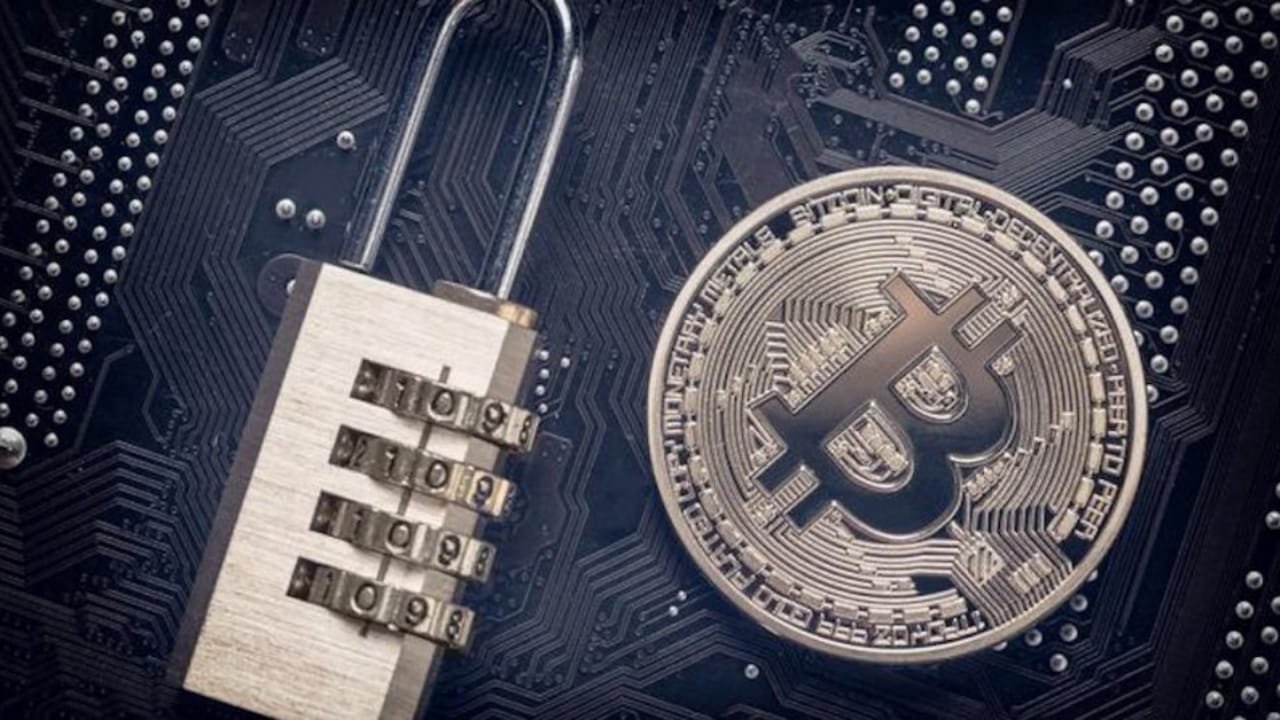
Secure Bitcoin Storage Solutions

Hot Wallets (Internet-connected):

  • Exchange wallets – Convenient but less secure
  • Mobile wallets – Good for small amounts and frequent transactions
  • Desktop wallets – More secure than mobile but still online

Cold Wallets (Offline storage):

  • Hardware wallets – Physical devices like Ledger or Trezor
  • Paper wallets – Private keys printed on paper
  • Air-gapped computers – Dedicated offline devices

For significant Bitcoin investments, hardware wallets offer the best balance of security and usability. Popular options include the Ledger Nano X, Trezor Model T, and KeepKey.

Best Practices for Wallet Security

Implementing proper security measures is non-negotiable when learning how to invest in bitcoin safely:

  1. Never share your private keys – Your private keys are essentially your Bitcoin ownership proof
  2. Create secure backups – Store recovery phrases in multiple secure locations
  3. Use strong, unique passwords – Consider using a reputable password manager
  4. Keep software updated – Regular updates patch security vulnerabilities
  5. Test with small amounts first – Always verify wallet functionality before large transfers

Smart Investment Strategies for Bitcoin

Dollar-Cost Averaging (DCA)

Dollar-cost averaging is one of the safest approaches when considering how to invest in bitcoin safely in 2024. This strategy involves making regular, fixed-dollar purchases regardless of Bitcoin’s price, which helps reduce the impact of volatility over time.

Benefits of DCA include:

  • Reduces timing risk
  • Lowers average purchase price over time
  • Removes emotional decision-making
  • Works well for long-term investors

For example, instead of investing $1,200 at once, you might invest $100 monthly for 12 months, potentially achieving a better average price.

Portfolio Allocation and Risk Management

Financial experts generally recommend limiting cryptocurrency exposure to 5-10% of your total investment portfolio. This conservative approach allows you to benefit from Bitcoin’s growth potential while maintaining overall portfolio stability.

Consider your risk tolerance, investment timeline, and financial goals when determining your Bitcoin allocation. Never invest money you cannot afford to lose completely.

Common Mistakes to Avoid

Security Pitfalls

When learning how to invest in bitcoin safely, avoiding these common mistakes is crucial:

  • Leaving funds on exchanges long-term – Only keep trading amounts on exchanges
  • Using weak passwords – Implement strong, unique passwords for all accounts
  • Falling for phishing scams – Always verify URLs and email addresses
  • Sharing private information publicly – Never discuss your holdings on social media
  • Not backing up wallets properly – Multiple secure backup locations are essential

Investment Errors

  • FOMO buying during peaks – Emotional investing often leads to losses
  • Panic selling during dips – Market volatility is normal for Bitcoin
  • Not researching exchanges – Due diligence prevents costly mistakes
  • Ignoring tax implications – Keep detailed records for tax reporting

Bitcoin Taxes and Regulations

Tax treatment of Bitcoin varies by jurisdiction, but most countries consider it a taxable asset. In the United States, Bitcoin is treated as property for tax purposes, meaning:
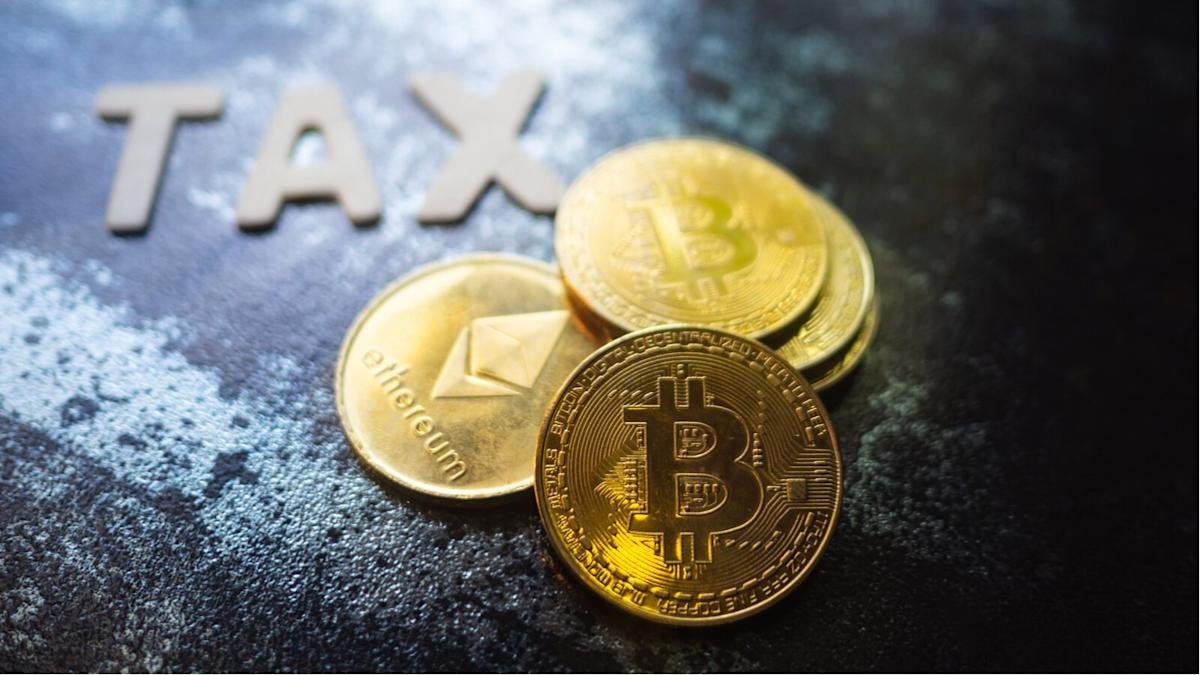
Understanding Bitcoin Taxes and Regulations

  • Capital gains taxes apply to profitable sales
  • Mining rewards are taxed as income
  • Detailed record-keeping is required
  • Professional tax advice is recommended

Suggested outbound link: For comprehensive tax guidance, consult the IRS’s official cryptocurrency tax guidance at irs.gov.

Suggested internal link anchor text: “Best cryptocurrency tax software for 2024” – Link to a related article about crypto tax tools.

Advanced Security Measures

Multi-Signature Wallets

For large Bitcoin holdings, multi-signature (multisig) wallets provide additional security by requiring multiple private keys to authorize transactions. This setup protects against single points of failure and is especially useful for business or family Bitcoin storage.

Estate Planning for Bitcoin

Consider how your Bitcoin assets will be handled in case of incapacity or death. This includes:

  • Secure storage of recovery information
  • Clear instructions for beneficiaries
  • Legal documentation of digital assets
  • Regular updates to estate plans

Conclusion

Learning how to invest in bitcoin safely in 2024 requires careful planning, proper security measures, and ongoing education. By following the strategies outlined in this guide—choosing reputable exchanges, implementing robust security practices, using dollar-cost averaging, and avoiding common mistakes—you can significantly reduce the risks associated with Bitcoin investing.

Remember that Bitcoin investing should be part of a diversified portfolio, and you should never invest more than you can afford to lose. As the cryptocurrency landscape continues evolving, staying informed about best practices and regulatory changes will help protect your investments.


Explore more articles like this

Subscribe to the Finance Redefined newsletter

A weekly toolkit that breaks down the latest DeFi developments, offers sharp analysis, and uncovers new financial opportunities to help you make smart decisions with confidence. Delivered every Friday

By subscribing, you agree to our Terms of Services and Privacy Policy

READ MORE

Top Crypto Exchanges for Beginners 2025 Expert Picks

best cryptocurrency exchange for beginners 2025

COIN4U IN YOUR SOCIAL FEED

The cryptocurrency market continues to evolve rapidly, making it crucial for newcomers to choose the best cryptocurrency exchange for beginners 2025. With over 600 cryptocurrency exchanges operating globally, selecting the right platform can feel overwhelming for those just starting their crypto journey. This comprehensive guide will help you navigate the complex world of digital asset trading by examining the most user-friendly, secure, and cost-effective exchanges available today. Whether you’re looking to buy your first Bitcoin or diversify into altcoins, understanding which platform offers the best combination of security, ease of use, and competitive fees is essential for your success in the crypto space.

What Makes the Best Cryptocurrency Exchange for Beginners?

When evaluating cryptocurrency exchanges for newcomers, several critical factors distinguish the top platforms from the rest. The ideal beginner-friendly exchange should combine intuitive user interface design with robust security measures and comprehensive educational resources.

Essential Features for New Crypto Investors

User Interface and Experience The best platforms prioritize simplicity without sacrificing functionality. Look for exchanges with clean, intuitive dashboards that make navigation straightforward. Clear labeling, easy-to-find trading pairs, and simplified order placement are crucial for beginners who might feel intimidated by complex trading interfaces.

Educational Resources and Support Top-tier exchanges provide extensive learning materials, including tutorials, webinars, and market analysis. These resources help beginners understand fundamental concepts like market orders, limit orders, and portfolio diversification strategies.

Security and Regulation Regulatory compliance and security infrastructure are non-negotiable. The best exchanges implement two-factor authentication, cold storage for funds, and insurance coverage for digital assets. Look for platforms regulated by reputable financial authorities in their operating jurisdictions.

Top 5 Best Cryptocurrency Exchanges for Beginners in 2025

Top 5 Best Cryptocurrency Exchanges for Beginners in 2025

1. Coinbase – The Most User-Friendly Option

Coinbase remains the gold standard for cryptocurrency beginners, offering an exceptionally intuitive platform that simplifies the buying process. The exchange supports over 240 cryptocurrencies and provides both basic and advanced trading interfaces.

Key Features:

  • Insurance coverage up to $250,000 through FDIC
  • Mobile app with 4.8-star rating
  • Educational program with crypto rewards
  • Instant buy/sell functionality

Fees: 0.5% spread for instant trades, 1.49% for bank transfers Supported Countries: 100+ countries Minimum Investment: $2

2. Binance.US – Comprehensive Trading Platform

Binance.US offers access to one of the world’s largest cryptocurrency selections with competitive trading fees. The platform provides both simple and advanced trading modes, making it suitable as users gain experience.

Key Features:

  • Over 150 supported cryptocurrencies
  • Advanced charting tools
  • Staking rewards program
  • API access for automated trading

Fees: 0.1% spot trading fee (with BNB discount) Supported Countries: Most US states Minimum Investment: $10

3. Kraken – Security-Focused Exchange

Kraken has built a reputation for exceptional security practices and transparency. The platform offers margin trading, futures, and comprehensive portfolio management tools while maintaining user-friendly interfaces for beginners.

Key Features:

  • 24/7 customer support
  • Advanced security protocols
  • Proof-of-reserves auditing
  • Multiple funding options

Fees: 0.16% to 0.26% maker/taker fees Supported Countries: 190+ countries Minimum Investment: $1

4. Gemini – Regulated and Trustworthy

Founded by the Winklevoss twins, Gemini prioritizes regulatory compliance and security. The platform offers a clean interface with built-in wallet functionality and insurance protection for digital assets.

Key Features:

  • FDIC insurance for USD deposits
  • SOC 2 Type 2 certified
  • ActiveTrader platform for advanced users
  • Credit card purchases available

Fees: 0.35% convenience fee for instant buys Supported Countries: US, UK, Canada, and others Minimum Investment: $5

5. eToro – Social Trading Platform

eToro combines cryptocurrency trading with social features, allowing beginners to follow and copy experienced traders. The platform supports both crypto and traditional investments in one interface.

Key Features:

  • Copy trading functionality
  • Social trading community
  • Multi-asset platform
  • Zero commission stock trading

Fees: Variable spreads (1% for Bitcoin) Supported Countries: 140+ countries Minimum Investment: $50

How to Choose Your First Cryptocurrency Exchange

Assess Your Trading Goals and Experience Level

Before selecting an exchange, clearly define your investment objectives. Are you planning to buy and hold Bitcoin long-term, or do you want to actively trade multiple cryptocurrencies? Your trading strategy will influence which platform features matter most.

Long-term Investors should prioritize platforms with:

  • Low withdrawal fees
  • Strong security measures
  • Easy recurring purchase options
  • Comprehensive coin storage solutions

Active Traders need exchanges offering:

  • Advanced charting tools
  • Multiple order types
  • High liquidity
  • Competitive trading fees

Compare Fees and Pricing Structures

Understanding fee structures is crucial for maximizing returns. Different exchanges employ various fee models:

Maker/Taker Fees: Most exchanges charge different rates for market makers (limit orders) and takers (market orders) Spread-Based Pricing: Some platforms build fees into the buying price through spreads Flat Fees: Certain services charge fixed amounts regardless of transaction size

Calculate potential costs based on your expected trading volume and frequency.

Security Features Every Beginner Should Look For

Two-Factor Authentication and Account Protection

The best cryptocurrency exchanges implement multiple layers of security. Two-factor authentication (2FA) should be mandatory, not optional. Look for platforms supporting authenticator apps rather than SMS-based 2FA for enhanced security.

Cold Storage and Insurance Coverage

Reputable exchanges store the majority of user funds in offline cold storage, protecting against hacking attempts. Additionally, insurance coverage provides an extra safety net, though policies vary significantly between platforms.

Regulatory Compliance and Licensing

Choose exchanges operating under proper regulatory frameworks. In the United States, look for platforms registered as Money Service Businesses (MSB) with FinCEN. International users should verify licensing in their respective jurisdictions.

Step-by-Step Guide: Getting Started on Your Chosen Exchange

Account Setup and Verification Process

  1. Registration: Provide basic information including email address and secure password
  2. Email Verification: Confirm your email address through the verification link
  3. Identity Verification: Upload government-issued ID and proof of address
  4. Security Setup: Enable 2FA and set up additional security measures
  5. Account Funding: Link bank account or prepare to make initial deposit

Making Your First Cryptocurrency Purchase

Once your account is verified and funded, you’re ready to make your first purchase:

  1. Navigate to the buy/sell section
  2. Select your desired cryptocurrency
  3. Choose payment method (bank transfer, debit card, etc.)
  4. Enter purchase amount
  5. Review transaction details and fees
  6. Confirm purchase

Essential Security Practices for New Users

  • Never share your login credentials
  • Use unique, strong passwords
  • Enable all available security features
  • Consider using a hardware wallet for long-term storage
  • Regularly monitor account activity

Understanding Fees and Costs

Trading Fees Breakdown

Different fee structures can significantly impact your investment returns:

Percentage-Based Fees: Most common, typically ranging from 0.1% to 1.5% per transaction Fixed Fees: Flat rates regardless of transaction size Spread Costs: Hidden fees built into exchange rates Network Fees: Blockchain transaction costs for withdrawals

Hidden Costs to Watch Out For

Beyond advertised trading fees, be aware of:

  • Withdrawal fees for moving crypto to external wallets
  • Inactivity fees for dormant accounts
  • Currency conversion costs for international users
  • Premium charges for instant purchases

Mobile Apps and Trading on the Go

Mobile Apps and Trading on the Go

Best Mobile Trading Experiences

Modern cryptocurrency investors expect seamless mobile experiences. The top exchanges offer full-featured mobile apps with:

  • Real-time price alerts and notifications
  • Complete trading functionality
  • Portfolio tracking and performance metrics
  • Secure biometric authentication
  • Push notifications for market movements

Security Considerations for Mobile Trading

Mobile trading introduces additional security considerations:

  • Use official app stores only
  • Keep apps updated to latest versions
  • Avoid trading on public WiFi networks
  • Enable app-specific PINs or biometric locks

Educational Resources and Learning Opportunities

Platform-Specific Learning Materials

The best cryptocurrency exchange for beginners 2025 provides comprehensive educational content:

Coinbase Learn: Interactive courses with crypto rewards Binance Academy: Extensive library of articles and videos Kraken Learn: Beginner-friendly guides and market analysis Gemini Cryptopedia: Detailed cryptocurrency explanations

Common Mistakes New Crypto Investors Make

FOMO and Emotional Trading

New investors often fall victim to Fear of Missing Out (FOMO), leading to impulsive decisions. Successful crypto investing requires:

  • Developing a clear investment strategy
  • Setting realistic expectations
  • Avoiding emotional decision-making
  • Dollar-cost averaging for consistent investments

Security Oversights

Many beginners neglect essential security practices:

  • Using weak passwords
  • Ignoring 2FA setup
  • Keeping large amounts on exchanges
  • Falling for phishing attempts

Not Understanding Taxes

Cryptocurrency transactions have tax implications in most jurisdictions. Keep detailed records of all trades, purchases, and sales for accurate tax reporting.

Conclusion

Selecting the best cryptocurrency exchange for beginners 2025 is a crucial first step in your digital asset investment journey. Coinbase, Binance.US, Kraken, Gemini, and eToro each offer unique advantages for new investors, from user-friendly interfaces to comprehensive educational resources and robust security measures.

Remember that the best exchange for you depends on your specific needs, investment goals, and geographic location. Start with a platform that prioritizes education and security, then expand to additional exchanges as your knowledge and confidence grow.

READ MORE:Best Cryptocurrency Exchange for Beginners 2025 Guide

Explore more articles like this

Subscribe to the Finance Redefined newsletter

A weekly toolkit that breaks down the latest DeFi developments, offers sharp analysis, and uncovers new financial opportunities to help you make smart decisions with confidence. Delivered every Friday

By subscribing, you agree to our Terms of Services and Privacy Policy

READ MORE

ADD PLACEHOLDER