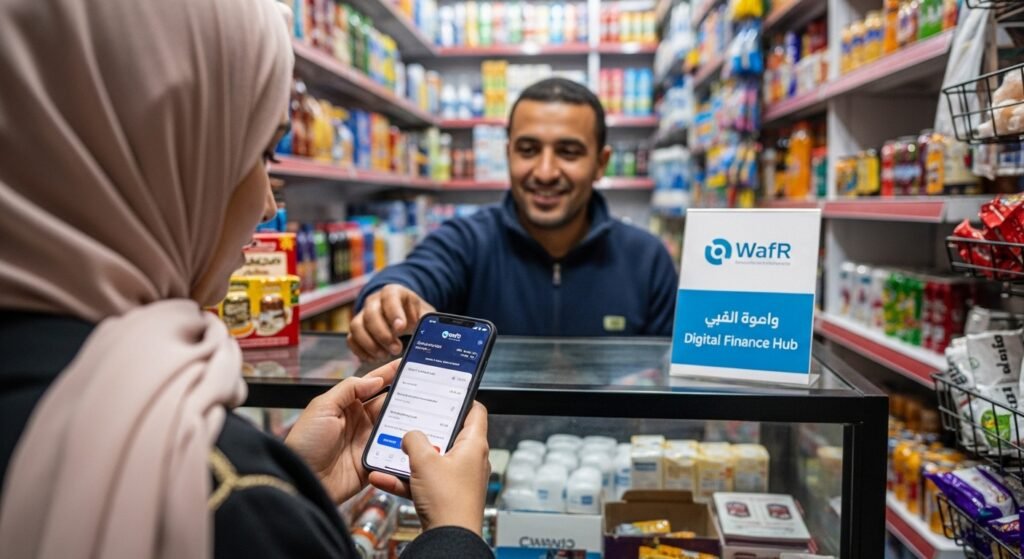
Moroccan Fintech WafR Turns Corner Stores Into Digital Finance Hubs

Finance

COIN4U IN YOUR SOCIAL FEED

Morocco’s financial landscape is undergoing a quiet but powerful transformation. While traditional banks and global fintech giants often dominate headlines, a homegrown innovator is reshaping how everyday people access financial services. Moroccan Fintech WafR is turning neighborhood corner stores into dynamic digital finance hubs, bridging the gap between underserved communities and modern financial technology.

In many parts of Morocco, local grocery shops and small retail outlets serve as social and economic anchors. These corner stores are trusted, accessible, and deeply integrated into daily life. Recognizing this unique position, WafR has developed a model that leverages these stores to deliver digital payment solutions, mobile financial services, and broader financial inclusion initiatives. Instead of building new infrastructure from scratch, Moroccan Fintech WafR enhances what already exists.

The result is a powerful ecosystem where traditional retail meets cutting-edge fintech innovation. This article explores how Moroccan Fintech WafR is transforming corner stores into digital finance hubs, the technology behind its model, the impact on small businesses and consumers, and what this means for the future of Morocco’s digital economy.

The Rise of Moroccan Fintech WafR

The story of Moroccan Fintech WafR reflects the broader evolution of financial technology across North Africa. As smartphone adoption increases and regulatory frameworks evolve, fintech startups are finding fertile ground for innovation. WafR stands out by focusing not only on urban tech-savvy consumers but also on everyday citizens who rely on physical retail touchpoints.

Unlike purely digital platforms, Moroccan Fintech WafR integrates technology directly into community stores. This hybrid approach blends physical accessibility with digital capability. By equipping shop owners with tools that enable cashless transactions, loyalty programs, and bill payments, WafR creates a seamless experience for customers who may not have traditional bank accounts.

The company’s growth signals a shift in how financial services are delivered. Rather than expecting customers to adapt to digital banking apps, WafR brings digital finance to familiar, trusted environments.

Understanding Morocco’s Financial Landscape

To appreciate the impact of Moroccan Fintech WafR, it is essential to understand Morocco’s financial ecosystem. While the country has made significant strides in banking penetration, a portion of the population remains underbanked or unbanked. Rural communities and low-income households often rely heavily on cash transactions.

At the same time, Morocco has invested in strengthening its financial infrastructure. The central banking authority, Bank Al-Maghrib, has supported digital transformation and regulatory modernization. These reforms encourage fintech development and foster innovation within the financial sector.

Moroccan Fintech WafR operates within this evolving environment, aligning its solutions with national objectives aimed at expanding financial access and promoting a more inclusive economy. By leveraging regulatory support and technological progress, WafR positions itself at the intersection of policy and innovation.

How Moroccan Fintech WafR Turns Corner Stores Into Digital Finance Hubs

At the core of Moroccan Fintech WafR’s model is the transformation of small neighborhood shops into multifunctional service points. Traditionally, these stores sell groceries, household goods, and basic necessities. Through WafR’s platform, they now also facilitate digital financial services.

Store owners are equipped with digital interfaces that allow customers to pay utility bills, top up mobile phones, participate in loyalty programs, and access promotional offers. This effectively converts a simple point of sale into a comprehensive digital finance hub.

The integration of mobile wallet technology and secure payment gateways ensures transactions are processed efficiently and transparently. Customers who may not feel comfortable using standalone fintech apps can interact with digital finance through a trusted shopkeeper.

This model reduces barriers to adoption. Instead of requiring individuals to open bank accounts or navigate complex interfaces, Moroccan Fintech WafR embeds fintech into daily routines.

Empowering Small Retailers Through Technology
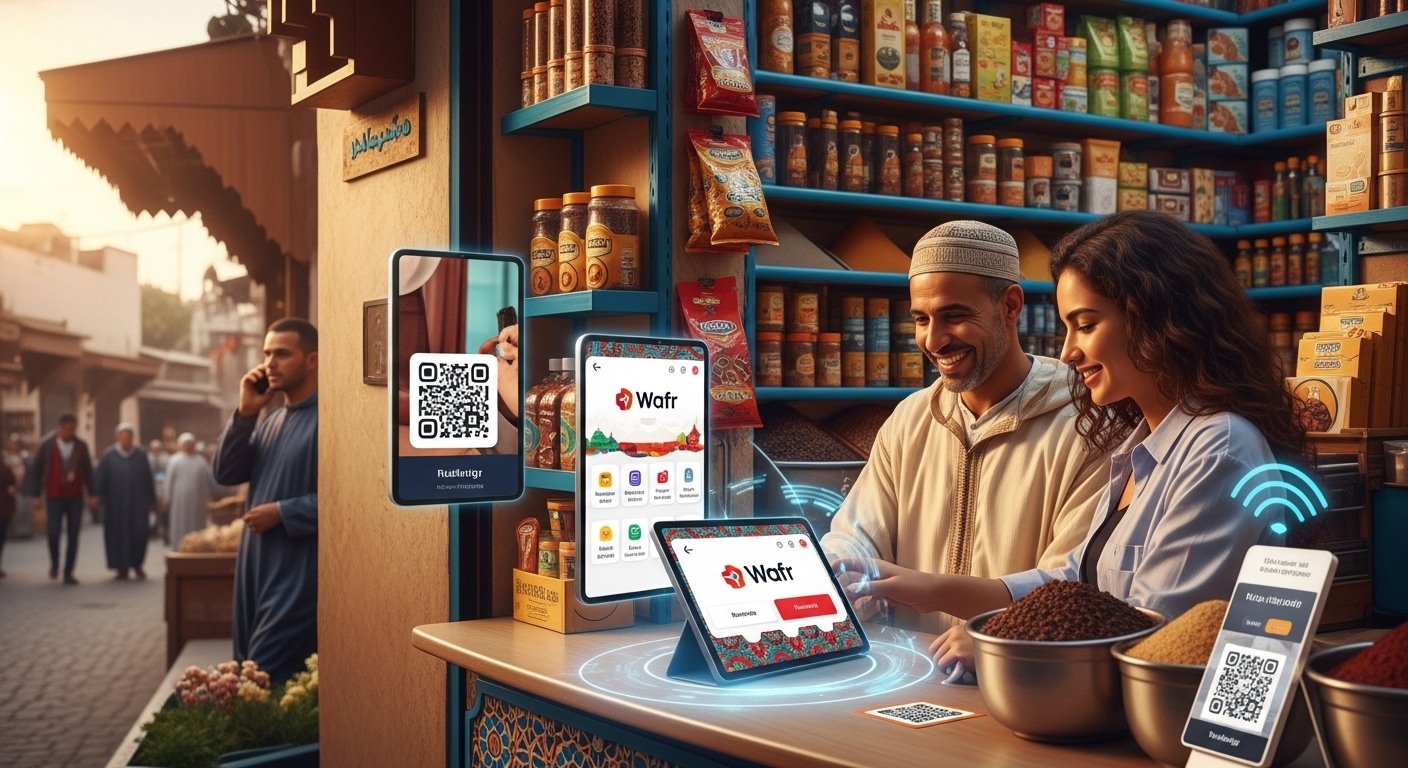
financial technology

For many small retailers, competition from large supermarkets and e-commerce platforms poses a serious threat. Moroccan Fintech WafR addresses this challenge by giving corner stores a competitive edge.

Through data analytics and retail fintech solutions, shop owners gain insights into customer behavior and purchasing patterns. Loyalty programs encourage repeat visits, while digital payment capabilities attract younger, tech-savvy consumers.

The shift from purely cash-based transactions to digital transaction systems also enhances transparency and record-keeping. Retailers can better manage inventory, track revenue, and make informed business decisions.

By empowering small businesses, Moroccan Fintech WafR contributes to local economic resilience. The corner store becomes more than a retail outlet; it becomes a gateway to digital finance and economic participation.

Advancing Financial Inclusion Across Communities

Financial inclusion remains a critical goal for emerging markets. Moroccan Fintech WafR plays a vital role in expanding access to services for individuals who might otherwise be excluded from the formal financial system.

In communities where traditional banks are distant or intimidating, corner stores offer familiarity and convenience. By turning these stores into digital finance hubs, WafR lowers psychological and logistical barriers.

The availability of micro-payment services, bill settlement options, and digital rewards systems allows individuals to engage with modern financial tools without formal banking relationships. Over time, this exposure builds trust and familiarity with digital finance.

Moroccan Fintech WafR thus supports broader national ambitions to integrate more citizens into the financial ecosystem, fostering economic stability and growth.

The Technology Behind the Transformation

Behind the scenes, Moroccan Fintech WafR relies on robust technology infrastructure. Secure cloud-based platforms handle transaction processing, while encryption safeguards customer data.

The integration of secure payment gateways ensures compliance with financial regulations and protects against fraud. Real-time transaction verification enhances reliability and customer confidence.

Data analytics tools provide valuable insights for both WafR and participating retailers. By analyzing transaction patterns, the platform can tailor promotional campaigns and improve service offerings.

Technology, however, remains invisible to the end user. The emphasis is on simplicity. Customers interact with familiar store environments while benefiting from advanced fintech capabilities.

Building Trust in Digital Financial Services

Trust is central to the success of Moroccan Fintech WafR. In many communities, skepticism toward digital finance can slow adoption. By partnering with trusted local retailers, WafR leverages existing relationships.

Shopkeepers act as intermediaries who explain services and reassure customers. This human element differentiates Moroccan Fintech WafR from purely app-based platforms.

Transparency in fees, clear communication, and reliable service delivery reinforce confidence. Over time, repeated positive experiences strengthen trust in digital financial services.

This approach highlights a key insight: fintech adoption is not solely about technology. It is also about relationships and community engagement.

The Broader Impact on Morocco’s Digital Economy

The success of Moroccan Fintech WafR extends beyond individual transactions. By embedding digital finance into everyday commerce, the company contributes to the broader digital economy.

Increased adoption of cashless payment systems supports tax transparency and formal economic activity. Digital transaction records provide valuable data that can inform policy and business strategies.

Moreover, as more consumers interact with digital finance through corner stores, demand for additional services such as micro-loans and insurance products may grow.

Moroccan Fintech WafR’s model demonstrates how localized innovation can drive national transformation. It exemplifies how fintech can be inclusive, community-oriented, and scalable.

Challenges and Opportunities Ahead
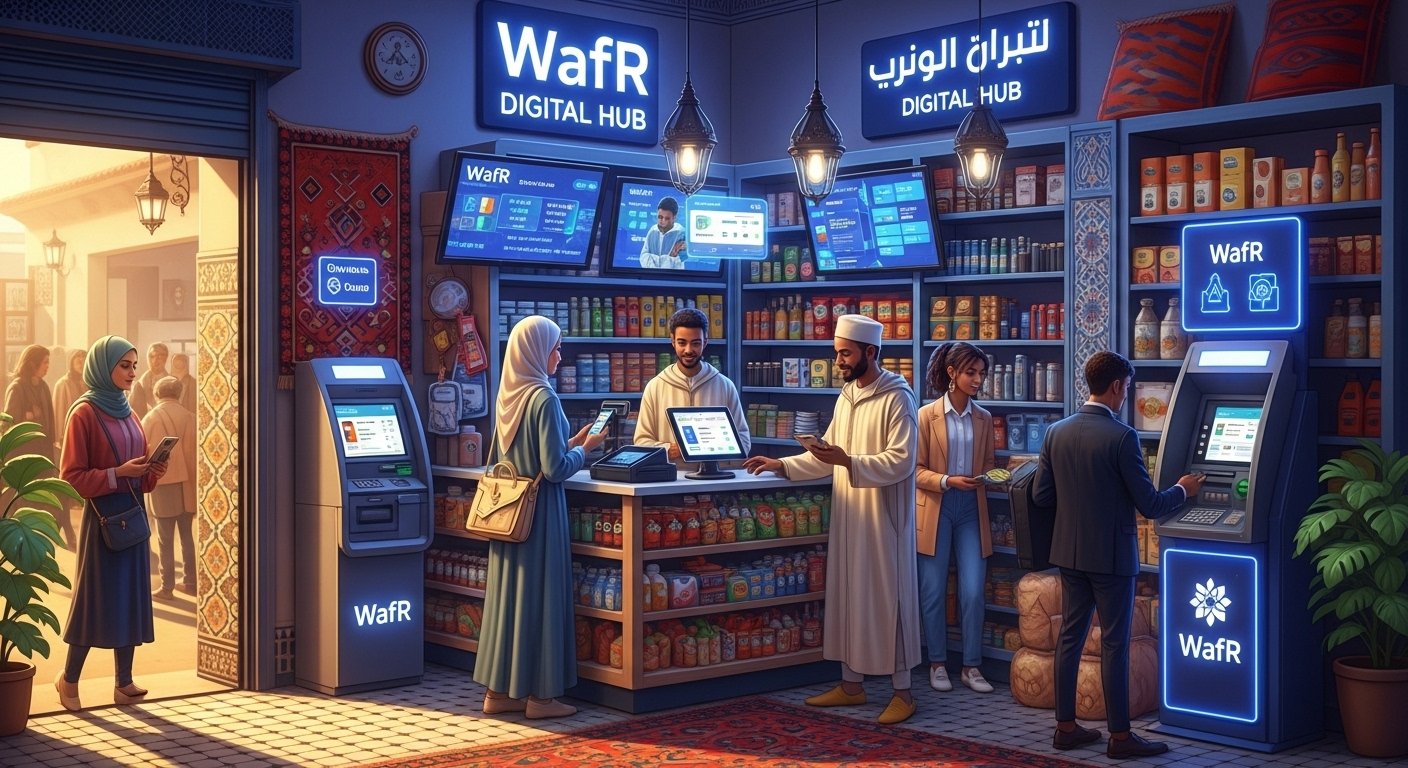
digital finance hubs

Despite its success, Moroccan Fintech WafR faces challenges. Expanding infrastructure, maintaining cybersecurity standards, and navigating regulatory changes require ongoing investment.

Competition from global fintech firms and local startups also intensifies. However, WafR’s deep integration with community retailers provides a unique advantage.

Opportunities abound in expanding service offerings. Integrating digital banking services, facilitating government benefit disbursements, or partnering with larger financial institutions could further enhance the ecosystem.

The key will be maintaining balance between rapid innovation and operational stability.

A Blueprint for Emerging Markets

The Moroccan Fintech WafR model offers lessons for other emerging markets. Many countries share similar characteristics: strong community retail networks, growing smartphone penetration, and segments of underbanked populations.

By transforming corner stores into digital finance hubs, fintech companies can leverage existing infrastructure rather than building costly new branches.

The success of Moroccan Fintech WafR illustrates that innovation does not always require disruptive replacement. Sometimes, it involves enhancing traditional systems with digital capabilities.

This hybrid approach could inspire fintech strategies across Africa, the Middle East, and beyond.

Conclusion

Moroccan Fintech WafR turns corner stores into digital finance hubs, redefining how financial services are delivered in Morocco. By combining trusted local retailers with advanced financial technology solutions, WafR expands access, empowers small businesses, and accelerates digital transformation.

Its model bridges the gap between tradition and innovation. Instead of replacing physical commerce, Moroccan Fintech WafR enhances it with digital tools that benefit communities and retailers alike.

As Morocco continues to modernize its economy, initiatives like WafR demonstrate that inclusive fintech can drive sustainable growth. By embedding digital finance into everyday life, Moroccan Fintech WafR is not only transforming corner stores but also shaping the future of financial inclusion.

FAQs

Q: How does Moroccan Fintech WafR help improve financial inclusion in Morocco?

Moroccan Fintech WafR improves financial inclusion by integrating digital financial services into neighborhood corner stores that people already trust and visit regularly. Instead of requiring customers to open bank accounts or navigate complex digital platforms, WafR allows them to pay bills, access promotions, and conduct transactions through familiar retail environments. This approach reduces barriers related to geography, trust, and digital literacy, gradually introducing underserved populations to formal financial systems.

Q: What benefits do small retailers gain by partnering with Moroccan Fintech WafR?

Small retailers benefit from increased customer engagement, access to digital payment capabilities, and valuable business insights through data analytics. By becoming digital finance hubs, they attract a broader customer base and strengthen loyalty through rewards programs. The ability to process digital transactions also improves record-keeping and operational efficiency, enabling better financial management and competitiveness against larger retail chains.

Q: Is the Moroccan Fintech WafR model scalable to other countries?

Yes, the Moroccan Fintech WafR model has strong potential for scalability in other emerging markets with similar retail structures and financial inclusion challenges. Countries with dense networks of small shops and growing mobile connectivity can replicate this hybrid approach. By leveraging trusted community retailers as access points for digital finance, fintech companies can accelerate adoption without building entirely new infrastructure.

Q: How does Moroccan Fintech WafR ensure transaction security and customer trust?

Moroccan Fintech WafR relies on secure cloud-based systems, encrypted data transmission, and compliance with regulatory standards to protect transactions. Additionally, the presence of trusted shopkeepers helps reinforce customer confidence. By combining technological safeguards with human interaction, WafR addresses both technical and psychological aspects of trust in digital financial services.

Q: What is the long-term impact of turning corner stores into digital finance hubs?

The long-term impact includes stronger financial inclusion, greater participation in the formal economy, and improved economic resilience for small businesses. As more consumers engage with digital finance through corner stores, broader adoption of cashless systems and advanced financial products may follow. Moroccan Fintech WafR’s model could contribute to sustained economic modernization while preserving the social fabric of local communities.


Explore more articles like this

Subscribe to the Finance Redefined newsletter

A weekly toolkit that breaks down the latest DeFi developments, offers sharp analysis, and uncovers new financial opportunities to help you make smart decisions with confidence. Delivered every Friday

By subscribing, you agree to our Terms of Services and Privacy Policy

READ MORE

Blockchain Supply Chain Management Solutions 2025

blockchain technology for supply chain management

COIN4U IN YOUR SOCIAL FEED

The global supply chain industry faces unprecedented challenges in tracking products, ensuring authenticity, and maintaining transparency across complex networks. Blockchain technology for supply chain management emerges as a transformative solution that addresses these critical issues while revolutionizing how businesses operate in the modern economy. This distributed ledger technology creates an immutable record of transactions and movements throughout the entire supply chain journey.

Companies worldwide are discovering that implementing blockchain technology for supply chain management provides unparalleled visibility into their operations. From raw material sourcing to final product delivery, every step becomes traceable, verifiable, and secure. Major corporations like Walmart, Maersk, and De Beers have already demonstrated the powerful impact of blockchain solutions in creating more efficient, transparent, and trustworthy supply chains.

What is Blockchain Technology for Supply Chain Management?

Blockchain technology for supply chain management represents a paradigm shift from traditional centralized tracking systems to decentralized, transparent networks. This innovative approach creates a digital ledger that records every transaction, movement, and change of ownership throughout the supply chain process.

Core Components of Supply Chain Blockchain Systems

The foundation of blockchain supply chain solutions rests on several key components that work together seamlessly. Smart contracts automate verification processes and execute predetermined actions when specific conditions are met. Digital timestamps create chronological records of every transaction, while cryptographic hashing ensures data integrity and prevents tampering.

Distributed nodes across the network validate transactions and maintain synchronized copies of the ledger. This decentralized structure eliminates single points of failure and reduces the risk of data manipulation or loss. Each participant in the supply chain network can access relevant information while maintaining appropriate privacy controls.

How Blockchain Transforms Traditional Supply Chain Operations

Traditional supply chain systems rely heavily on paper-based documentation and centralized databases that create bottlenecks and vulnerabilities. Blockchain technology eliminates these limitations by providing real-time visibility and automated verification processes.

The technology enables instant verification of product authenticity, origin, and handling conditions throughout the entire journey. Companies can quickly identify and isolate contaminated or counterfeit products, significantly reducing the impact of recalls and protecting consumer safety.

Key Benefits of Implementing Blockchain in Supply Chain Management

Key Benefits of Implementing Blockchain in Supply Chain Management

Enhanced Transparency and Traceability

Blockchain creates an unprecedented level of transparency in supply chain operations by providing a complete, unalterable record of product journeys. Every stakeholder can track items from their origin through manufacturing, distribution, and retail stages.

This transparency builds consumer trust and enables companies to verify sustainability claims, ethical sourcing practices, and quality standards. Customers increasingly demand proof of responsible business practices, and blockchain provides the verifiable evidence they seek.

Improved Security and Fraud Prevention

The immutable nature of blockchain records makes fraud and counterfeiting significantly more difficult. Each transaction requires cryptographic verification, and any attempt to alter historical records becomes immediately apparent to network participants.

Supply chain fraud costs businesses billions of dollars annually through counterfeit products, documentation fraud, and cyber attacks. Blockchain technology creates multiple layers of security that protect against these threats while maintaining operational efficiency.

Streamlined Compliance and Reporting

Regulatory compliance becomes more manageable when companies implement blockchain technology for supply chain management. Automated record-keeping and real-time auditing capabilities simplify the process of demonstrating compliance with industry standards and government regulations.

Companies can generate comprehensive reports instantly, showing the complete history of products and transactions. This capability proves invaluable during regulatory audits and helps organizations maintain certifications more efficiently.

Real-World Applications of Blockchain Supply Chain Solutions

Food Industry Transformation

The food industry has embraced blockchain technology to address concerns about safety, authenticity, and sustainability. Walmart’s blockchain initiative allows the company to trace contaminated products within seconds rather than days or weeks.

Farm-to-table traceability ensures consumers know exactly where their food originated, how it was produced, and the conditions under which it traveled. This level of transparency helps prevent foodborne illness outbreaks and builds consumer confidence in food safety.

Pharmaceutical Supply Chain Security

Counterfeit medications pose serious health risks and cost the pharmaceutical industry billions in lost revenue. Blockchain technology for supply chain management creates tamper-proof records that verify medication authenticity at every step.

Each pharmaceutical product receives a unique digital identity that travels with it throughout the supply chain. Pharmacists and healthcare providers can instantly verify that medications are genuine and have been stored under proper conditions.

Luxury Goods Authentication

High-end fashion brands and luxury goods manufacturers use blockchain to combat counterfeiting and protect their brand reputation. Digital certificates of authenticity become permanently linked to physical products, making counterfeiting extremely difficult.

Consumers can verify the authenticity of luxury purchases by scanning QR codes or NFC tags that connect to blockchain records. This verification process protects both brands and consumers from counterfeit products.

Automotive Industry Applications

The automotive industry leverages blockchain technology to track vehicle parts throughout manufacturing and maintenance processes. This comprehensive tracking ensures quality control and helps identify defective components quickly.

Blockchain records create permanent maintenance histories that increase vehicle resale values and improve safety by ensuring proper servicing. Insurance companies also benefit from access to verified maintenance and accident records.

Implementation Strategies for Blockchain Supply Chain Systems

Assessment and Planning Phase

Successful blockchain implementation begins with a thorough assessment of existing supply chain processes and identification of areas where blockchain technology can provide the most value. Companies must evaluate their current technology infrastructure and determine integration requirements.

Stakeholder buy-in becomes critical during the planning phase, as blockchain networks require participation from multiple parties throughout the supply chain. Clear communication about benefits and expectations helps ensure smooth implementation.

Technology Selection and Integration

Choosing the right blockchain platform depends on specific business requirements, scalability needs, and integration capabilities. Popular options include Ethereum, Hyperledger Fabric, and specialized supply chain platforms like VeChain.

Integration with existing enterprise resource planning (ERP) systems and inventory management tools requires careful planning and technical expertise. Companies often work with blockchain consultants or technology partners to ensure seamless integration.

Pilot Programs and Gradual Rollout

Starting with pilot programs allows companies to test blockchain technology for supply chain management on a smaller scale before full implementation. These pilots help identify potential issues and refine processes before expanding to the entire supply chain network.

Successful pilot programs demonstrate tangible benefits to stakeholders and provide valuable learning experiences that inform larger-scale deployments. Companies can use pilot results to secure additional funding and support for broader implementation.

Challenges and Solutions in Blockchain Supply Chain Implementation

Scalability and Performance Considerations

Blockchain networks must handle high transaction volumes while maintaining acceptable performance levels. Traditional blockchain platforms sometimes struggle with the speed requirements of global supply chains that process millions of transactions daily.

Solutions include hybrid blockchain architectures that combine public and private networks, off-chain processing for high-volume transactions, and next-generation blockchain platforms designed specifically for enterprise applications.

Interoperability Between Different Systems

Supply chains typically involve multiple companies using different technology systems and standards. Ensuring seamless communication between various blockchain networks and legacy systems requires careful planning and standardization efforts.

Industry collaborations and standardization initiatives help address interoperability challenges. Organizations like the Global Standards One (GS1) work to develop universal standards for blockchain supply chain applications.

Cost and Resource Requirements

Implementing blockchain technology requires significant upfront investment in technology infrastructure, training, and change management. Smaller companies may find these costs challenging, particularly when the return on investment takes time to materialize.

Cloud-based blockchain solutions and blockchain-as-a-service platforms help reduce implementation costs and technical complexity. These solutions allow companies to leverage blockchain benefits without massive infrastructure investments.

Future Trends in Blockchain Supply Chain Technology

Integration with Internet of Things (IoT) Devices

The combination of blockchain technology and IoT sensors creates powerful supply chain monitoring capabilities. Smart sensors can automatically record temperature, humidity, location, and handling conditions directly to the blockchain.

This integration enables real-time monitoring of sensitive products like pharmaceuticals, fresh food, and chemicals. Automated alerts notify stakeholders immediately when products experience conditions outside acceptable parameters.

Artificial Intelligence and Machine Learning Enhancement

AI and machine learning algorithms can analyze blockchain supply chain data to identify patterns, predict disruptions, and optimize operations. These technologies work together to create intelligent supply chains that continuously improve performance.

Predictive analytics help companies anticipate demand fluctuations, identify potential bottlenecks, and optimize inventory levels. Machine learning algorithms can detect anomalies that might indicate fraud or quality issues.

Sustainability and Environmental Tracking

Environmental consciousness drives increased demand for sustainable supply chain practices. Blockchain technology enables detailed tracking of carbon footprints, waste generation, and resource consumption throughout the supply chain.

Companies can provide verifiable proof of sustainability claims and work toward environmental goals with greater precision. This capability becomes increasingly important as consumers and regulators demand greater environmental responsibility.

Best Practices for Successful Blockchain Supply Chain Implementation

Best Practices for Successful Blockchain Supply Chain Implementation

Building Strategic Partnerships

Successful blockchain supply chain implementations require collaboration between multiple stakeholders. Building strong partnerships with suppliers, distributors, technology providers, and customers ensures network-wide adoption and maximum benefits.

Industry consortiums and collaborative initiatives help establish common standards and reduce implementation costs. Companies benefit from shared expertise and reduced technology risks through these partnerships.

Employee Training and Change Management

Implementing blockchain technology requires significant changes to existing processes and workflows. Comprehensive training programs help employees understand new systems and adapt to changed responsibilities.

Change management strategies should address resistance to new technology and emphasize the benefits blockchain brings to daily operations. Clear communication and ongoing support help ensure successful adoption.

Continuous Monitoring and Optimization

Blockchain supply chain systems require ongoing monitoring and optimization to maintain peak performance. Regular assessment of key performance indicators helps identify areas for improvement and ensures systems meet evolving business needs.

Feedback from users and stakeholders provides valuable insights for system enhancements. Companies should establish processes for collecting, analyzing, and acting on this feedback to continuously improve their blockchain implementations.

ROI and Business Impact of Blockchain Supply Chain Solutions

Quantifying Financial Benefits

Companies implementing blockchain technology for supply chain management typically see significant returns on investment through reduced fraud, improved efficiency, and enhanced customer trust. Cost savings often come from eliminated intermediaries, reduced paperwork, and faster dispute resolution.

Revenue increases result from improved product quality, faster time-to-market, and enhanced brand reputation. Companies can command premium prices for products with verified authenticity and sustainable sourcing.

Measuring Operational Improvements

Key performance indicators for blockchain supply chain implementations include reduced processing time, increased accuracy of inventory tracking, and improved supplier performance. These metrics demonstrate tangible operational benefits that justify technology investments.

Customer satisfaction scores often improve as companies provide greater transparency and faster resolution of issues. Supply chain resilience increases as companies gain better visibility into potential disruptions and alternative sourcing options.

Conclusion

Blockchain technology for supply chain management represents a fundamental shift toward more transparent, secure, and efficient global commerce. Companies that embrace this technology now position themselves for competitive advantages in an increasingly complex marketplace.

The evidence clearly demonstrates that blockchain implementations deliver measurable improvements in transparency, security, and operational efficiency. As technology costs decrease and standardization increases, blockchain adoption will accelerate across industries worldwide.

Ready to transform your supply chain operations? Start exploring blockchain technology for supply chain management today by conducting a comprehensive assessment of your current processes and identifying areas where blockchain can deliver the greatest value. Contact blockchain consultants or technology providers to begin your journey toward a more transparent and efficient supply chain future.

Explore more articles like this

Subscribe to the Finance Redefined newsletter

A weekly toolkit that breaks down the latest DeFi developments, offers sharp analysis, and uncovers new financial opportunities to help you make smart decisions with confidence. Delivered every Friday

By subscribing, you agree to our Terms of Services and Privacy Policy

READ MORE

ADD PLACEHOLDER