
The question on every investor’s mind right now is the same: which is the next crypto to explode in 2025? With the market maturing fast—after spot Bitcoin ETF approvals in the U.S., Ethereum’s Dencun scaling upgrade, and Europe’s MiCA framework settling into force—the backdrop for digital assets has never been more interesting. The cycle feels different because it is. Liquidity pipes from traditional finance have opened, blockspace has grown cheaper on Layer-2 networks, and regulation is beginning to harmonize in major jurisdictions. Put simply, the foundations are stronger than in prior cycles, and that changes how you should search for the next big crypto.
This guide gives you a practical, human-readable framework to evaluate 2025 candidates. Instead of scatter-shot “top 100 altcoins,” we’ll map where capital and users are actually going, explain the catalysts behind each theme, and highlight examples to watch. You’ll learn the difference between narratives and catalysts, how to avoid over-optimization when doing on-chain diligence, and how to time entries. We’ll also include high-signal industry milestones that matter to price discovery—like U.S. spot ETF approvals for Bitcoin and Ether, Ethereum’s proto-danksharding upgrade, and Europe’s MiCA rollout—so you can anchor your expectations in real events rather than hype.
How to Define “Next Crypto to Explode” Without Guesswork
Before naming any token, define the phrase. The next crypto to explode should meet three conditions. First, it has a clear catalyst within the next 3–12 months—a product launch, network upgrade, distribution unlock, or new access channel that can spark fresh demand. Second, it has structural tailwinds: user acquisition, falling transaction costs, or regulatory clarity that sustains flows. Third, it has a realistic path to valuation re-rating: either revenues, fees, staking yields, or verifiable usage that justify higher multiples. Without these, “explosion” is just a meme.
In 2025, the catalysts you can actually point to include the U.S. institutionalization of crypto exposure via spot ETFs, the maturation of Ethereum Layer-2 (L2) ecosystems after Dencun, and the standardization of compliance in Europe under MiCA. Each is investable because it changes how easily capital and users can reach assets.
Macro Pillars That Will Drive Breakouts in 2025
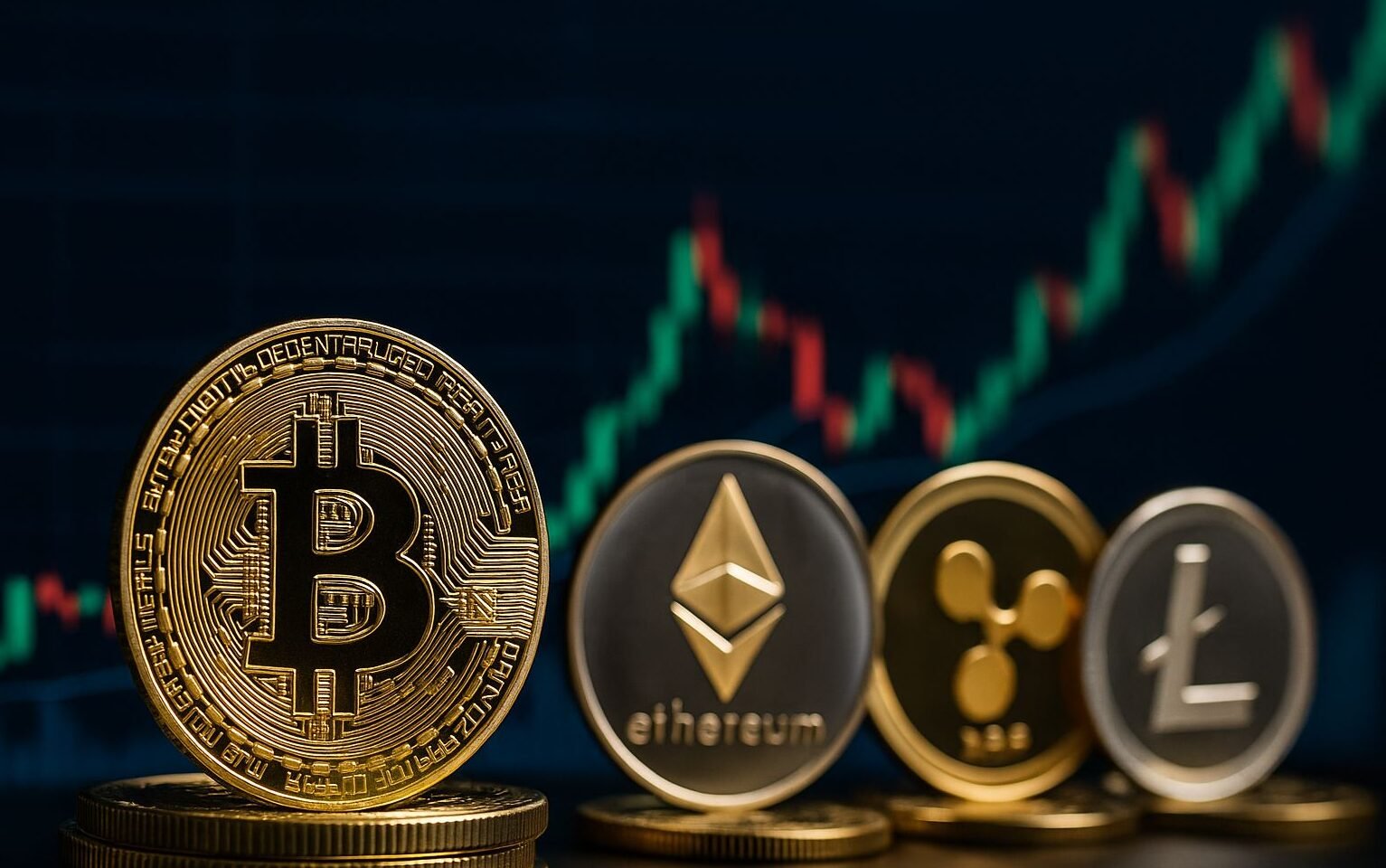
Institutional Access and Liquidity
January 2024 marked a watershed: U.S. regulators approved multiple spot Bitcoin ETFs, giving pensions, RIAs, and retail brokerage accounts frictionless access to BTC. This is not just “more buyers”; it’s an upgrade to market plumbing—automated allocations, model portfolios, and tax-advantaged accounts can now include Bitcoin. In July 2024, spot Ether ETFs joined the lineup, pulling ETH into the same distribution pipes. These products don’t pick individual altcoins, but they lift the entire market’s risk appetite during inflow waves and normalize crypto as an asset class.
Scalability and Cost Compression
The Dencun upgrade (March 2024) enabled proto-danksharding (EIP-4844) on Ethereum, introducing data “blobs” that dramatically reduced L2 costs. Immediately after release, L2 transaction throughput doubled, and ecosystems like Base, Arbitrum, and Optimism leaned into cheaper blockspace with consumer-scale apps. Lower fees are not a niche improvement; they expand the addressable market of users and use-cases, which is central to identifying the next crypto to explode.
Regulatory Clarity
In the EU, MiCA became fully applicable to service providers by December 30, 2024, with stablecoin rules taking effect earlier in June 2024. Predictable guardrails tend to attract compliant liquidity and real-world partnerships—especially for remittances, tokenized assets, and fintech integrations. That’s a tailwind for projects building with banks and payment providers.
A 2025 Playbook: Where to Look for the Next Big Crypto
The Ethereum L2 Economy: Cheap Blockspace, Rich App Layers
If you want the next crypto to explode, watch the apps and tokens that live where users actually transact: L2s. After Dencun, L2 daily transactions surged, with Base frequently hitting multi-million-tx days, and developers pushing consumer apps into the mainstream. Inexpensive blockspace catalyzes growth in social, gaming, DeFi, and payments—areas where tokens can accrue value via fees, staking, or revenue-sharing.
What to evaluate: token’s claim on revenues or sequencer fees, user retention beyond incentives, and real on-chain transaction density from non-farm activity. Look for L2 tokens or app-level tokens whose economics improve as blob fees stay low and throughput rises. If an L2 or its leading apps become a default venue for stablecoin commerce, that can be rocket fuel.
Real-World Assets (RWA): Yields That Make Sense to TradFi
Tokenized Treasuries, money-market funds, and on-chain invoices are not just buzzwords; they’re synchronous with the rate environment and compliance trends. As MiCA and similar frameworks harden, expect more banks and fintechs to tokenize cash and short-duration paper. Tokens tied to RWA issuance rails, or protocols that take a fee from tokenization flows, can re-rate if volumes jump. The key is regulatory footing and audited custody; without those, RWA tokens won’t scale.
Restaking, Data Availability, and Security as a Service
Restaking extends Ethereum’s economic security to external services, while data availability (DA) layers monetize blockspace for modular chains. Projects in these categories can see reflexive growth if developers adopt them as default infrastructure. For investors, the filter is sustainability: does the token capture durable fees from validation, DA sales, or slashing-protected security markets? If yes, you’ve got a shot at the next big crypto because usage converts directly into revenues rather than pure emissions.
DePIN and AI x Crypto: When Compute Meets Markets
Decentralized physical infrastructure (DePIN) networks that tokenize compute, storage, bandwidth, or GPU time can spike when hardware demand is hot—especially in an AI-first world. If an AI model marketplace or GPU network secures enterprise workloads and settles payments on-chain, the native token may benefit from increased throughput and staking demand. The 2025 screen here is real customers, not just token incentives.
Payments and Stablecoin Rails
Stablecoins are already crypto’s killer app. As MiCA shapes European issuance and as more mainstream fintechs integrate stablecoin rails, networks that minimize costs and compliance risk will win checkout, remittance, and B2B volume. Tokens capturing a fee on payment routing or settlement can rerate when merchant processors plug in. The catalysts in 2025 are regulatory go-lives, issuer approvals, and L2 adoption, where fees are trivial.
Catalysts You Can Date on a Calendar

ETFs and the Liquidity Flywheel
U.S. spot Bitcoin ETFs started trading in January 2024 and accelerated BTC’s institutional adoption. By mid-2024, Ether ETFs began trading as well. Together, they formalized crypto allocations in traditional portfolios. During strong inflow periods, liquidity and risk appetite spill down the market-cap ladder—historically a prime window for identifying the next crypto to explode among mid-caps tied to clear narratives.
Ethereum Upgrades and L2 Milestones
With Dencun live and blobs operating, watch for further L2 roadmap checkpoints and fee trajectories. If L2s sustain ultra-low costs while improving fraud proofs or migrating to decentralized sequencers, app tokens with real fee-share mechanics can catch a bid. That’s a fundamental—not speculative—reason to expect upside in specific tokens.
Regulatory Go-Lives
Europe’s MiCA is a multi-stage catalyst. Stablecoin provisions applied from June 30, 2024; broader service-provider rules took effect December 30, 2024. In 2025, as compliance programs mature and passports are issued, expect volume shifts toward licensed venues and assets. Tokens aligned with compliant infrastructure and KYC-friendly DeFi could benefit.
Shortlist Framework: Turning Themes Into Picks
This isn’t financial advice, and you should always do your own research, but here’s how to translate the above into a candidate list for the next crypto to explode:
Platform Leaders With Fresh Distribution
Assets that just gained new access channels often enjoy a multi-quarter demand tailwind. Bitcoin and Ether’s spot ETF inclusion opened the door to model-portfolio flows and retirement accounts. For downstream plays, look for tokens whose dependency trees include ETH blockspace or BTC settlement rails and that convert higher usage into fee capture.
L2 Native Applications With Real Retention
An L2 game, social app, or payments protocol that retains users after incentives taper is a prime candidate. Verify daily active wallets, organic txs per user, and meaningful revenue, not just emissions. L2 ecosystems like Base have shown the throughput to host consumer apps that weren’t feasible pre-Dencun; tokens that accrue value from those workflows can move quickly when an app crosses the chasm.
Infrastructure That Sells Picks and Shovels
Projects selling data availability, restaking security, or decentralized compute to builders can rally when dev adoption inflects. Here, the token’s role should be indispensable—staking for security, usage-linked burns, or mandatory fee payments—so that rising demand isn’t diluted by emissions. If mainnet launches or big integration partners are scheduled in 2025, you have time-boxed catalysts.
RWA and Stablecoin Gateways
If a protocol is the plumbing that brings Treasuries, invoices, or remittances on-chain under compliant regimes like MiCA, pay attention. Traditional finance prefers predictability; the first movers that pass audits and obtain approvals can capture long-tail volume. Over 2025, expect more payment processors to experiment with on-chain rails on Ethereum L2s, boosting tokens that route those flows efficiently.
See More: Crypto Market Enters Fear Territory, Losses Mount
How To Vet a 2025 Breakout, Step by Step
Read the Tech Roadmap—Then Tie It to Valuation
A whitepaper without a burn mechanism, fee share, or staking utility cannot justify a re-rating on usage alone. Conversely, a token that reliably captures sequencer fees, protocol revenue, or settlement charges can logically explode when adoption spikes. For Ethereum-adjacent projects, check how EIP-4844 blobs intersect with their costs and whether lower data fees translate into higher margins or more users.
Watch Liquidity and Listings
Even great tokens can stall if liquidity is thin. New exchange listings, bridge support into L2s, or on-ramps via fintech apps can unlock trapped demand. ETFs were the mega-example in 2024 for BTC and ETH; in 2025, watch for similar distribution upgrades—custody integrations, broker-dealer platforms, and bank partnerships.
Verify Real Usage
On-chain dashboards can show daily active addresses, tx counts, and fee volumes. After Dencun, L2 throughput jumped materially; the question is whether a token’s user growth is sticky. Check if the activity comes from unique wallets tied to functioning products rather than airdrop farming. Platforms like Base sustaining multi-million-tx days suggest there’s room for app tokens to scale—if value accrual exists.
Respect the Regulatory Perimeter
Regulated stability is an underrated bull case. Projects aligned with MiCA-like rules or that can integrate with banks and fintechs have clearer paths to mass adoption. The next big crypto for payments will likely run where compliance is possible, not where it’s cheapest alone.
Timelines That Matter in 2025
Post-Halving Dynamics
Bitcoin’s fourth halving occurred in April 2024 at block 840,000, cutting miner rewards to 3.125 BTC per block. Historically, BTC’s strongest price action has often come months after the halving as supply reductions meet cyclical demand. In 2025, that lag can still influence the risk curve: when BTC strength returns, capital often rotates to majors and then to high-beta mid-caps. That’s typically when the next crypto to explode emerges.
The L2 Cost Curve
If blob pricing remains low and throughput stable, L2 builders will push more consumer apps live throughout 2025. Each successful app creates a mini-flywheel: users arrive for the app, they need the network’s token or pay fees in it, and liquidity thickens. Track fee trends, sequencer decentralization, and developer velocity as leading indicators.
Compliance Milestones
As MiCA passports roll out and issuers tick compliance boxes, expect more European fintechs to integrate stablecoins and tokenized assets. Pay attention to announcements of licensed operations, custody approvals, and compliant on-ramps; those are direct catalysts for payments and RWA tokens.
Putting Names to Narratives—Without Over-Optimization
Because this article is designed to be evergreen and educational—not a rotating call sheet—focus on how to pick rather than chasing tickers. When you apply the framework, you’ll inevitably surface a shortlist of contenders in each bucket. From there, run a sanity check:
-
Is there a dated catalyst within 3–12 months?
-
Does the token capture value from the catalyst?
-
Are liquidity, listings, and custody good enough for new inflows?
-
Is regulation a tailwind, neutral, or a blocker?
-
Does on-chain data confirm sticky usage, not just airdrop gaming?
Projects that pass this five-part test are your best bets for the next crypto to explode in 2025.
Risk Management for a Volatile Year
Even with strong tailwinds, crypto remains volatile. ETFs, upgrades, and regulation improve the floor but don’t erase drawdowns. Size positions modestly, ladder entries, and set invalidation levels. Remember that tokens with the greatest upside also carry the most reflexivity on the downside. A balanced core in BTC and ETH—now easily accessed via regulated products—can give you the staying power to participate in asymmetric mid-cap moves when catalysts hit.
Conclusion
Finding the next crypto to explode in 2025 is not about guessing the hottest ticker; it’s about aligning with catalysts that actually reroute liquidity and users. The big levers—spot ETFs, Ethereum’s scalable L2 economy after Dencun, and clear, enforceable rules under MiCA—are now in place. Use them as your compass. Start with platform leaders and their app layers, prioritize tokens that directly capture growing usage, and verify everything with on-chain data and real distribution. Do that consistently, and you won’t have to chase pumps; you’ll already be positioned where the next wave hits.
FAQs
Q: What single catalyst most increases the chance of a token exploding in 2025?
The largest single catalyst is a broader distribution that unlocks new buyers—like U.S. spot ETFs did for BTC in January 2024 and ETH in July 2024. When access friction drops, allocations can scale, and liquidity trickles down to quality mid-caps with real utility.
Q: How did Ethereum’s Dencun upgrade change the investing landscape?
By enabling proto-danksharding and blob transactions, Dencun slashed data costs for rollups, supercharging Layer-2 throughput. That makes consumer-grade apps viable and creates fertile ground for tokens that share in network or app fees.
Q: Does regulation help or hurt explosive upside?
In 2025, clarity helps. The EU’s MiCA framework provides predictable rules, especially for stablecoins and service providers. Clearer rules mean larger institutions can participate, which increases credible demand for compliant projects.
Q: Are L2 tokens or app tokens better bets?
It depends on value capture. Some L2s channel sequencer fees or staking yields to the token; some do not. Many app tokens have explicit fee-share or burn mechanics tied to usage. Study tokenomics first, then the user funnel. The post-Dencun L2 surge makes both categories investable if value accrual is real.
Q: How do Bitcoin’s cycles factor into picking the next big crypto?
Bitcoin’s halving in April 2024 reduced new supply, and historically, strength in BTC precedes rotations into majors and then mid-caps. That timing often lines up with when narratives meet catalysts, helping identify the next crypto to explode