


The global supply chain industry faces unprecedented challenges in tracking products, ensuring authenticity, and maintaining transparency across complex networks. Blockchain technology for supply chain management emerges as a transformative solution that addresses these critical issues while revolutionizing how businesses operate in the modern economy. This distributed ledger technology creates an immutable record of transactions and movements throughout the entire supply chain journey.
Companies worldwide are discovering that implementing blockchain technology for supply chain management provides unparalleled visibility into their operations. From raw material sourcing to final product delivery, every step becomes traceable, verifiable, and secure. Major corporations like Walmart, Maersk, and De Beers have already demonstrated the powerful impact of blockchain solutions in creating more efficient, transparent, and trustworthy supply chains.
What is Blockchain Technology for Supply Chain Management?
Blockchain technology for supply chain management represents a paradigm shift from traditional centralized tracking systems to decentralized, transparent networks. This innovative approach creates a digital ledger that records every transaction, movement, and change of ownership throughout the supply chain process.
Core Components of Supply Chain Blockchain Systems
The foundation of blockchain supply chain solutions rests on several key components that work together seamlessly. Smart contracts automate verification processes and execute predetermined actions when specific conditions are met. Digital timestamps create chronological records of every transaction, while cryptographic hashing ensures data integrity and prevents tampering.
Distributed nodes across the network validate transactions and maintain synchronized copies of the ledger. This decentralized structure eliminates single points of failure and reduces the risk of data manipulation or loss. Each participant in the supply chain network can access relevant information while maintaining appropriate privacy controls.
How Blockchain Transforms Traditional Supply Chain Operations
Traditional supply chain systems rely heavily on paper-based documentation and centralized databases that create bottlenecks and vulnerabilities. Blockchain technology eliminates these limitations by providing real-time visibility and automated verification processes.
The technology enables instant verification of product authenticity, origin, and handling conditions throughout the entire journey. Companies can quickly identify and isolate contaminated or counterfeit products, significantly reducing the impact of recalls and protecting consumer safety.
Key Benefits of Implementing Blockchain in Supply Chain Management
Enhanced Transparency and Traceability
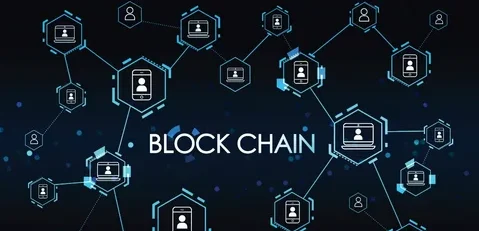
Blockchain creates an unprecedented level of transparency in supply chain operations by providing a complete, unalterable record of product journeys. Every stakeholder can track items from their origin through manufacturing, distribution, and retail stages.
This transparency builds consumer trust and enables companies to verify sustainability claims, ethical sourcing practices, and quality standards. Customers increasingly demand proof of responsible business practices, and blockchain provides the verifiable evidence they seek.
Improved Security and Fraud Prevention
The immutable nature of blockchain records makes fraud and counterfeiting significantly more difficult. Each transaction requires cryptographic verification, and any attempt to alter historical records becomes immediately apparent to network participants.
Supply chain fraud costs businesses billions of dollars annually through counterfeit products, documentation fraud, and cyber attacks. Blockchain technology creates multiple layers of security that protect against these threats while maintaining operational efficiency.
Streamlined Compliance and Reporting
Regulatory compliance becomes more manageable when companies implement blockchain technology for supply chain management. Automated record-keeping and real-time auditing capabilities simplify the process of demonstrating compliance with industry standards and government regulations.
Companies can generate comprehensive reports instantly, showing the complete history of products and transactions. This capability proves invaluable during regulatory audits and helps organizations maintain certifications more efficiently.
Real-World Applications of Blockchain Supply Chain Solutions
Food Industry Transformation
The food industry has embraced blockchain technology to address concerns about safety, authenticity, and sustainability. Walmart’s blockchain initiative allows the company to trace contaminated products within seconds rather than days or weeks.
Farm-to-table traceability ensures consumers know exactly where their food originated, how it was produced, and the conditions under which it traveled. This level of transparency helps prevent foodborne illness outbreaks and builds consumer confidence in food safety.
Pharmaceutical Supply Chain Security
Counterfeit medications pose serious health risks and cost the pharmaceutical industry billions in lost revenue. Blockchain technology for supply chain management creates tamper-proof records that verify medication authenticity at every step.
Each pharmaceutical product receives a unique digital identity that travels with it throughout the supply chain. Pharmacists and healthcare providers can instantly verify that medications are genuine and have been stored under proper conditions.
Luxury Goods Authentication
High-end fashion brands and luxury goods manufacturers use blockchain to combat counterfeiting and protect their brand reputation. Digital certificates of authenticity become permanently linked to physical products, making counterfeiting extremely difficult.
Consumers can verify the authenticity of luxury purchases by scanning QR codes or NFC tags that connect to blockchain records. This verification process protects both brands and consumers from counterfeit products.
Automotive Industry Applications
The automotive industry leverages blockchain technology to track vehicle parts throughout manufacturing and maintenance processes. This comprehensive tracking ensures quality control and helps identify defective components quickly.
Blockchain records create permanent maintenance histories that increase vehicle resale values and improve safety by ensuring proper servicing. Insurance companies also benefit from access to verified maintenance and accident records.
Implementation Strategies for Blockchain Supply Chain Systems
Assessment and Planning Phase
Successful blockchain implementation begins with a thorough assessment of existing supply chain processes and identification of areas where blockchain technology can provide the most value. Companies must evaluate their current technology infrastructure and determine integration requirements.
Stakeholder buy-in becomes critical during the planning phase, as blockchain networks require participation from multiple parties throughout the supply chain. Clear communication about benefits and expectations helps ensure smooth implementation.
Technology Selection and Integration
Choosing the right blockchain platform depends on specific business requirements, scalability needs, and integration capabilities. Popular options include Ethereum, Hyperledger Fabric, and specialized supply chain platforms like VeChain.
Integration with existing enterprise resource planning (ERP) systems and inventory management tools requires careful planning and technical expertise. Companies often work with blockchain consultants or technology partners to ensure seamless integration.
Pilot Programs and Gradual Rollout
Starting with pilot programs allows companies to test blockchain technology for supply chain management on a smaller scale before full implementation. These pilots help identify potential issues and refine processes before expanding to the entire supply chain network.
Successful pilot programs demonstrate tangible benefits to stakeholders and provide valuable learning experiences that inform larger-scale deployments. Companies can use pilot results to secure additional funding and support for broader implementation.
Challenges and Solutions in Blockchain Supply Chain Implementation
Scalability and Performance Considerations
Blockchain networks must handle high transaction volumes while maintaining acceptable performance levels. Traditional blockchain platforms sometimes struggle with the speed requirements of global supply chains that process millions of transactions daily.
Solutions include hybrid blockchain architectures that combine public and private networks, off-chain processing for high-volume transactions, and next-generation blockchain platforms designed specifically for enterprise applications.
Interoperability Between Different Systems
Supply chains typically involve multiple companies using different technology systems and standards. Ensuring seamless communication between various blockchain networks and legacy systems requires careful planning and standardization efforts.
Industry collaborations and standardization initiatives help address interoperability challenges. Organizations like the Global Standards One (GS1) work to develop universal standards for blockchain supply chain applications.
Cost and Resource Requirements
Implementing blockchain technology requires significant upfront investment in technology infrastructure, training, and change management. Smaller companies may find these costs challenging, particularly when the return on investment takes time to materialize.
Cloud-based blockchain solutions and blockchain-as-a-service platforms help reduce implementation costs and technical complexity. These solutions allow companies to leverage blockchain benefits without massive infrastructure investments.
Future Trends in Blockchain Supply Chain Technology
Integration with Internet of Things (IoT) Devices
The combination of blockchain technology and IoT sensors creates powerful supply chain monitoring capabilities. Smart sensors can automatically record temperature, humidity, location, and handling conditions directly to the blockchain.
This integration enables real-time monitoring of sensitive products like pharmaceuticals, fresh food, and chemicals. Automated alerts notify stakeholders immediately when products experience conditions outside acceptable parameters.
Artificial Intelligence and Machine Learning Enhancement
AI and machine learning algorithms can analyze blockchain supply chain data to identify patterns, predict disruptions, and optimize operations. These technologies work together to create intelligent supply chains that continuously improve performance.
Predictive analytics help companies anticipate demand fluctuations, identify potential bottlenecks, and optimize inventory levels. Machine learning algorithms can detect anomalies that might indicate fraud or quality issues.
Sustainability and Environmental Tracking
Environmental consciousness drives increased demand for sustainable supply chain practices. Blockchain technology enables detailed tracking of carbon footprints, waste generation, and resource consumption throughout the supply chain.
Companies can provide verifiable proof of sustainability claims and work toward environmental goals with greater precision. This capability becomes increasingly important as consumers and regulators demand greater environmental responsibility.
Best Practices for Successful Blockchain Supply Chain Implementation
Building Strategic Partnerships
Successful blockchain supply chain implementations require collaboration between multiple stakeholders. Building strong partnerships with suppliers, distributors, technology providers, and customers ensures network-wide adoption and maximum benefits.
Industry consortiums and collaborative initiatives help establish common standards and reduce implementation costs. Companies benefit from shared expertise and reduced technology risks through these partnerships.
Employee Training and Change Management
Implementing blockchain technology requires significant changes to existing processes and workflows. Comprehensive training programs help employees understand new systems and adapt to changed responsibilities.
Change management strategies should address resistance to new technology and emphasize the benefits blockchain brings to daily operations. Clear communication and ongoing support help ensure successful adoption.
Continuous Monitoring and Optimization
Blockchain supply chain systems require ongoing monitoring and optimization to maintain peak performance. Regular assessment of key performance indicators helps identify areas for improvement and ensures systems meet evolving business needs.
Feedback from users and stakeholders provides valuable insights for system enhancements. Companies should establish processes for collecting, analyzing, and acting on this feedback to continuously improve their blockchain implementations.
ROI and Business Impact of Blockchain Supply Chain Solutions
Quantifying Financial Benefits
Companies implementing blockchain technology for supply chain management typically see significant returns on investment through reduced fraud, improved efficiency, and enhanced customer trust. Cost savings often come from eliminated intermediaries, reduced paperwork, and faster dispute resolution.
Revenue increases result from improved product quality, faster time-to-market, and enhanced brand reputation. Companies can command premium prices for products with verified authenticity and sustainable sourcing.
Measuring Operational Improvements
Key performance indicators for blockchain supply chain implementations include reduced processing time, increased accuracy of inventory tracking, and improved supplier performance. These metrics demonstrate tangible operational benefits that justify technology investments.
Customer satisfaction scores often improve as companies provide greater transparency and faster resolution of issues. Supply chain resilience increases as companies gain better visibility into potential disruptions and alternative sourcing options.
Conclusion
Blockchain technology for supply chain management represents a fundamental shift toward more transparent, secure, and efficient global commerce. Companies that embrace this technology now position themselves for competitive advantages in an increasingly complex marketplace.
The evidence clearly demonstrates that blockchain implementations deliver measurable improvements in transparency, security, and operational efficiency. As technology costs decrease and standardization increases, blockchain adoption will accelerate across industries worldwide.
Ready to transform your supply chain operations? Start exploring blockchain technology for supply chain management today by conducting a comprehensive assessment of your current processes and identifying areas where blockchain can deliver the greatest value. Contact blockchain consultants or technology providers to begin your journey toward a more transparent and efficient supply chain future.


 Decentralisation is one of the most important things about blockchain. Blockchain networks use methods like Proof of Work (PoW) and Proof of Stake (PoS) to reach agreement.