















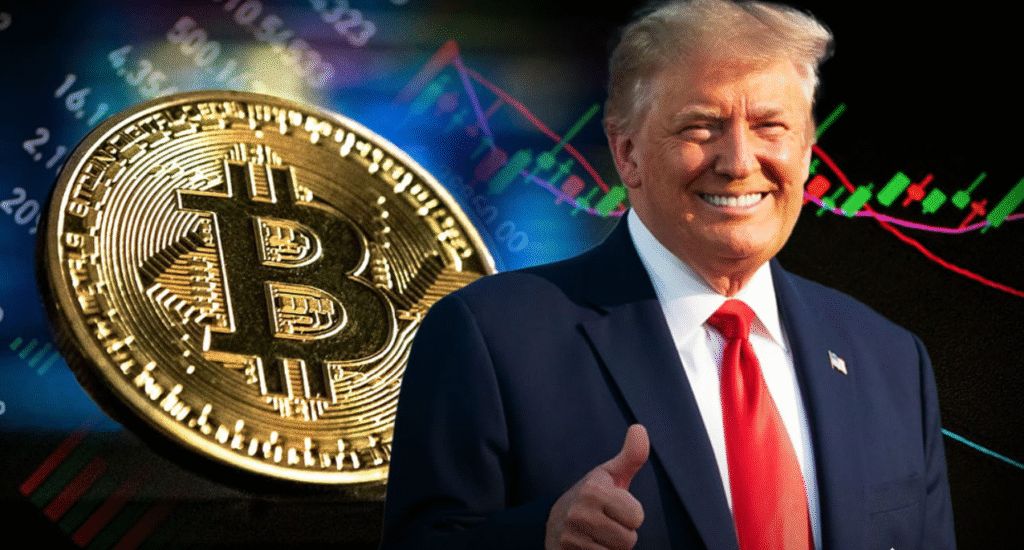
The convergence of political media and cryptocurrency has reached unprecedented heights with the announcement of a landmark partnership between Trump Media & Technology Group and Crypto.com. This strategic alliance represents one of the most significant intersections between mainstream political branding and the digital asset ecosystem to date. The deal, valued at approximately $105 million, centers around the acquisition of CRO tokens, the native cryptocurrency of the Cronos blockchain ecosystem managed by Crypto.com.how to invest in Trump Media CRO tokens
Trump Media closed the acquisition of 684.4 million CRO tokens worth $105 million in a cash-and-stock deal with exchange Crypto.com, signaling a bold move into the cryptocurrency space by the media company behind Truth Social. This partnership transcends a simple transaction, establishing a comprehensive framework for blockchain integration across Trump Media’s platforms while positioning CRO as a central component of its digital rewards system. The arrangement demonstrates how traditional media companies are increasingly recognizing cryptocurrency as both a treasury asset and a functional tool for user engagement.
The implications of this partnership extend far beyond the immediate financial transaction. By embracing cryptocurrency adoption at this scale, Trump Media is setting a precedent for how political brands and media enterprises can leverage blockchain technology to enhance their digital infrastructure. The collaboration signals a maturation of the crypto industry, where major exchanges like Crypto.com are forming strategic alliances with established media entities to expand their reach and legitimacy in the mainstream market.
The Structure of the Trump Media and Crypto.com Deal
Financial Components and Token Allocation
Trump Media will purchase approximately $105 million in CRO, representing about 2% of the total CRO market cap, making this acquisition a substantial holding in the Cronos ecosystem. The deal’s structure reveals a mutual investment strategy where both parties demonstrate confidence in each other’s growth trajectory. Crypto.com reciprocated by committing to purchase $50 million in Trump Media common stock, creating a symbiotic relationship that aligns the interests of both organizations.
The 684.4 million CRO tokens acquired by Trump Media will be subject to a lockup period, ensuring market stability and demonstrating a long-term commitment rather than short-term speculation. This lockup mechanism protects both parties from immediate volatility while allowing the partnership to develop its strategic initiatives organically. The token purchase agreement represents one of the largest corporate acquisitions of exchange-native tokens by a publicly traded company, potentially setting a template for future corporate crypto treasury strategies.
The Treasury Company Initiative
Beyond the initial token purchase, the partnership includes plans to establish a dedicated crypto treasury company with ambitious goals. Trump Media reports that the business will raise almost $6.4 billion to buy CRO tokens, indicating this initial transaction is merely the first phase of a much larger strategic vision. This treasury vehicle, created through collaboration with blank-check acquisition company Yorkville Acquisition Corp., will focus specifically on accumulating and managing CRO token holdings.
The creation of this specialized treasury entity demonstrates sophisticated financial engineering, separating cryptocurrency operations from the core media business while maintaining strategic control. This structure allows Trump Media to pursue aggressive digital asset accumulation without directly exposing its primary operations to cryptocurrency market volatility. The treasury company model may become increasingly common as traditional corporations seek exposure to digital assets while managing risk through corporate structure optimization.
Strategic Integration with Truth Social Platform

Cryptocurrency-Based Rewards System
One of the most innovative aspects of this partnership involves the integration of CRO tokens into Truth Social’s user engagement infrastructure. The Cronos token will become central to Truth Social’s rewards system, fundamentally transforming how the platform incentivizes user participation and content creation. This represents a pioneering application of blockchain rewards within social media, potentially establishing a new paradigm for user compensation on digital platforms.
The rewards system implementation could include various mechanisms such as token distributions for quality content creation, engagement milestones, and community contributions. By utilizing CRO tokens as the reward currency, Truth Social creates a direct economic link between platform activity and tangible financial value. Users who earn CRO tokens through platform participation can hold them as an investment, trade them on exchanges, or utilize them within the broader Crypto.com ecosystem, creating multiple value propositions for active community members.
Wallet Integration and Payment Infrastructure
The partnership extends to technical infrastructure integration, with plans to incorporate Crypto.com wallet functionality directly into Truth Social’s platform architecture. This integration will enable seamless cryptocurrency transactions within the social media environment, lowering barriers to entry for users new to digital assets. The embedded wallet functionality eliminates the need for users to navigate external cryptocurrency platforms, creating a frictionless experience for earning, storing, and utilizing CRO tokens.
This payment infrastructure development positions Truth Social at the forefront of social media monetization innovation. Users could potentially purchase premium features, support content creators, or access exclusive services using CRO tokens, creating a self-contained economic ecosystem within the platform. The integration demonstrates how cryptocurrency payments can enhance user experience while generating new revenue streams for media companies willing to embrace blockchain technology.
Market Impact and Industry Implications
CRO Token Performance and Market Reaction
The announcement of this partnership generated immediate and substantial market impact. Reports indicated that CRO token values surged approximately 25% following the deal announcement, reflecting investor enthusiasm for this high-profile collaboration. This price appreciation demonstrates how strategic partnerships with established brands can drive significant value for cryptocurrency projects seeking mainstream recognition and utility expansion.
The market’s positive response validates the strategic logic behind corporate cryptocurrency adoption. When publicly traded companies like Trump Media commit substantial capital to specific tokens, it signals confidence that institutional investors and retail traders find compelling. The cryptocurrency market dynamics illustrated by this deal suggest that partnerships between traditional corporations and blockchain projects will continue driving value creation in the digital asset space.
Precedent for Corporate Crypto Adoption
This partnership establishes an important precedent for how corporations can strategically engage with the cryptocurrency sector. Rather than simply holding Bitcoin or Ethereum as treasury assets like some companies have done, Trump Media is pursuing a more nuanced approach that combines financial investment with operational integration. This model demonstrates how corporate blockchain adoption can extend beyond passive investment to create active business value through platform integration and user engagement mechanisms.
The deal may inspire other media companies, entertainment brands, and consumer-facing businesses to explore similar partnerships with cryptocurrency platforms. By demonstrating that crypto integration can enhance rather than distract from core business operations, this collaboration could accelerate mainstream digital currency adoption across various industries. The success or failure of this initiative will likely influence dozens of boardroom discussions about cryptocurrency strategy in traditional corporations.
Regulatory Considerations and Political Dimensions
Navigating the Regulatory Landscape
Any discussion of this partnership must acknowledge the complex regulatory environment surrounding both cryptocurrency and politically affiliated businesses. Trump Media operates in a uniquely scrutinized position due to its association with a former president and current political figure. The company’s entry into cryptocurrency holdings and operations will likely attract regulatory attention from agencies including the Securities and Exchange Commission, which maintains ongoing oversight of both digital assets and publicly traded companies.
The lockup periods included in the deal structure suggest careful attention to regulatory compliance, preventing immediate liquidity events that might trigger securities law concerns. Both companies must navigate disclosure requirements, market manipulation prohibitions, and evolving cryptocurrency regulations that continue developing as governments worldwide grapple with digital asset oversight. The transparency of this announced partnership, with clear financial terms and strategic objectives, demonstrates an approach prioritized by regulatory compliance over stealth accumulation.
Political Brand Meets Blockchain Technology
The intersection of political branding and cryptocurrency technology raises fascinating questions about the future of political fundraising, supporter engagement, and ideological community building. While this specific partnership focuses on media operations rather than campaign activities, it demonstrates how political brands increasingly recognize cryptocurrency’s potential for connecting with digitally native audiences. The blockchain ecosystem offers transparency, direct economic participation, and decentralization principles that resonate with certain political constituencies.
Critics may question whether politically affiliated entities should hold significant cryptocurrency positions, citing concerns about conflicts of interest or market manipulation potential. Supporters counter that cryptocurrency represents legitimate financial innovation that any business entity should be free to embrace. Regardless of political perspectives, this partnership will certainly prompt discussions about appropriate boundaries and disclosure standards for politically connected businesses engaging with digital assets.
Technical Infrastructure and Implementation Challenges
Blockchain Integration Complexity
Implementing this partnership’s vision requires substantial technical development across multiple domains. Integrating Crypto.com’s wallet infrastructure with Truth Social’s existing platform architecture demands careful planning to ensure security, usability, and scalability. The blockchain technology underlying CRO tokens operates on the Cronos chain, which utilizes Ethereum Virtual Machine compatibility, providing flexibility for smart contract implementation and interoperability with broader blockchain ecosystems.
The rewards system implementation presents particular technical challenges, requiring mechanisms for tracking user contributions, calculating appropriate token distributions, and managing treasury allocations. These systems must operate reliably at scale, handling potentially millions of users while maintaining security against fraud and exploitation. The development timeline for fully realizing the partnership’s vision likely extends across months or years, with iterative rollouts introducing features progressively as technical capabilities mature.
User Experience Considerations
Beyond technical implementation, the partnership’s success depends heavily on user experience design that makes cryptocurrency engagement accessible to non-technical audiences. Many Truth Social users may have limited or no prior experience with digital assets, requiring intuitive interfaces that abstract away blockchain complexity. The challenge lies in leveraging cryptocurrency’s benefits while hiding its technical intricacies, creating experiences that feel natural within the social media context.
Education and onboarding processes will play crucial roles in driving adoption of the platform’s cryptocurrency features. Trump Media and Crypto.com must develop clear communication strategies explaining how users can earn, manage, and utilize CRO tokens without requiring deep technical knowledge. Success in this dimension could position the partnership as a case study for mainstream cryptocurrency onboarding, demonstrating strategies that other consumer-facing businesses might replicate.
Competitive Landscape and Industry Context
Social Media Cryptocurrency Initiatives
Trump Media’s partnership with Crypto.com enters a competitive landscape where various social media and content platforms are experimenting with blockchain integration. Platforms like Brave browser with its Basic Attention Token, Steemit’s blockchain-based rewards, and Reddit’s Community Points experiments demonstrate sustained industry interest in cryptocurrency-enabled user engagement. However, few initiatives have combined the scale of a major exchange partnership with the potential reach of a politically charged media brand.
The competitive advantage Trump Media seeks likely involves leveraging its unique audience characteristics and political brand loyalty to drive adoption more effectively than generic cryptocurrency integration attempts. The partnership with an established exchange like Crypto.com provides credibility and infrastructure that independent blockchain initiatives often lack. This combination of brand power and technical capability could prove more successful than earlier social media cryptocurrency experiments that struggled with limited liquidity or isolated ecosystems.
Exchange Platform Expansion Strategies
From Crypto.com’s perspective, this partnership represents a strategic expansion beyond traditional exchange services into branded partnerships and enterprise solutions. Major cryptocurrency exchanges increasingly recognize that sustainable growth requires moving beyond transaction fee revenue toward diversified business models including institutional services, payment solutions, and strategic partnerships. This collaboration provides Crypto.com with exposure to Trump Media’s substantial audience while creating practical use cases for CRO tokens beyond speculative trading.
The deal also serves Crypto.com’s broader marketing objectives, generating significant media attention and brand visibility far beyond typical cryptocurrency industry coverage. By associating with a high-profile media brand, Crypto.com positions itself as a mature platform capable of partnering with established corporations, potentially attracting additional enterprise clients and institutional investors who value these mainstream credentials.
Long-Term Vision and Future Possibilities

Expanding the Cryptocurrency Ecosystem
The partnership’s long-term success could catalyze broader cryptocurrency adoption across Trump Media’s various properties and potential future ventures. Beyond Truth Social, the company operates or plans other digital products that could similarly integrate CRO tokens, creating an interconnected ecosystem where the cryptocurrency serves as a common currency across multiple platforms. This multi-platform strategy could enhance token utility and user retention while building network effects that increase value for all participants.
Future developments might include expanded payment options for digital products, cryptocurrency-based advertising purchases, or exclusive content access through token holdings. The treasury company’s substantial planned capital raises suggest ambitious visions extending well beyond initial implementation phases. As the partnership matures, additional features and integrations could emerge that neither party has yet publicly announced, driven by user feedback and market opportunities that develop over time.
Potential Market Transformation
If this partnership achieves its stated objectives and demonstrates sustainable business value, it could trigger a wave of similar collaborations between traditional media companies and cryptocurrency platforms. The model of combining treasury investments with operational integration offers compelling advantages for both parties, creating mutual dependencies that align long-term interests. Success here might inspire entertainment companies, news organizations, and social platforms to pursue comparable strategies with various cryptocurrency projects.how to invest in Trump Media CRO tokens
The transformation could extend to political engagement more broadly, with candidates and political organizations exploring cryptocurrency-based fundraising, supporter rewards, and community building. While regulatory frameworks for political cryptocurrency use remain underdeveloped, technological capabilities and market infrastructure continue advancing, potentially enabling new forms of political participation and economic alignment between supporters and causes they value.
Conclusion
The partnership between Trump Media & Technology Group and Crypto.com represents a watershed moment in the ongoing convergence of traditional media and cryptocurrency technology. By committing $105 million to CRO token acquisition while integrating blockchain rewards and payment infrastructure into Truth Social, this collaboration demonstrates how established brands can strategically embrace digital assets beyond mere speculation. The deal’s structure, combining mutual investments with operational integration, creates aligned incentives that position both parties for potential long-term success.how to invest in Trump Media CRO tokens
This partnership’s significance extends beyond its immediate participants, establishing precedents for corporate cryptocurrency adoption and demonstrating practical applications for blockchain technology within consumer-facing platforms. Whether this initiative ultimately succeeds in transforming social media monetization or encounters obstacles that limit its impact, it undeniably represents a bold experiment worth monitoring closely. As cryptocurrency continues its journey toward mainstream acceptance, collaborations like this one will play crucial roles in determining whether digital assets can deliver practical value beyond financial speculation.
The coming months and years will reveal whether Trump Media’s cryptocurrency strategy generates sustainable business results and whether users embrace CRO token rewards with enthusiasm or indifference. Regardless of outcomes, this partnership has already achieved something remarkable: bringing cryptocurrency integration into mainstream media discussion and demonstrating that digital assets have reached a maturity level where established corporations increasingly view them as strategic opportunities rather than speculative risks.how to invest in Trump Media CRO tokens
FAQs
Q1: What exactly did Trump Media purchase in this Crypto.com deal?
Trump Media acquired approximately 684.4 million CRO tokens valued at $105 million, representing roughly 2% of the total CRO token market capitalization. This purchase was structured as a combination of cash and stock
with Crypto.com simultaneously investing $50 million in Trump Media shares. The tokens are subject to a lockup period, meaning they cannot be immediately sold, demonstrating a long-term investment commitment rather than short-term trading intentions.
Q2: How will CRO tokens be used on Truth Social?
CRO tokens will be integrated into Truth Social’s platform as the foundation of a rewards system designed to incentivize user engagement and content creation. Users will be able to earn tokens through various platform activities, creating direct economic value for participation.
Additionally, Crypto.com wallet functionality will be embedded into the platform, enabling users to store, manage, and potentially spend CRO tokens within the Truth Social ecosystem without navigating external cryptocurrency platforms.how to invest in Trump Media CRO tokens
Q3: What is the crypto treasury company mentioned in this partnership?
The partnership includes plans to establish a dedicated cryptocurrency treasury company, created through collaboration with Yorkville Acquisition Corp., a blank-check acquisition vehicle. This entity is designed to raise approximately $6.4 billion specifically for purchasing and managing CRO token holdings.
By creating a separate corporate structure for cryptocurrency operations, Trump Media can pursue aggressive digital asset accumulation while managing risk and maintaining separation from its core media business operations.
Q4: How did the cryptocurrency market react to this announcement?
The CRO token experienced significant appreciation following the partnership announcement, with reports indicating approximately 25% price increases in immediate market reaction. This positive response reflects investor enthusiasm for the high-profile collaboration and optimism about expanded use cases for CRO tokens.
The market reaction demonstrates how strategic partnerships with established brands can drive substantial value for cryptocurrency projects seeking mainstream recognition and adoption.how to invest in Trump Media CRO tokens
Q5: What are the potential regulatory concerns with this deal?
Given Trump Media’s association with a prominent political figure and cryptocurrency’s evolving regulatory status, this partnership will likely attract scrutiny from agencies including the Securities and Exchange Commission. Key regulatory considerations include compliance with securities laws, proper disclosure of material information to investors, and adherence to cryptocurrency-specific regulations that continue developing.
The transparent announcement of the deal with clear financial terms, coupled with lockup periods preventing immediate trading, suggests both parties have prioritized regulatory compliance in structuring this partnership.how to invest in Trump Media CRO tokens
SEE MORE:Best Cryptocurrency to Invest in 2025 Top 10 Coins & Expert Guide