












US Targets Iran Crypto Networks With New Sanctions

US Targets Iran Crypto Networks

COIN4U IN YOUR SOCIAL FEED

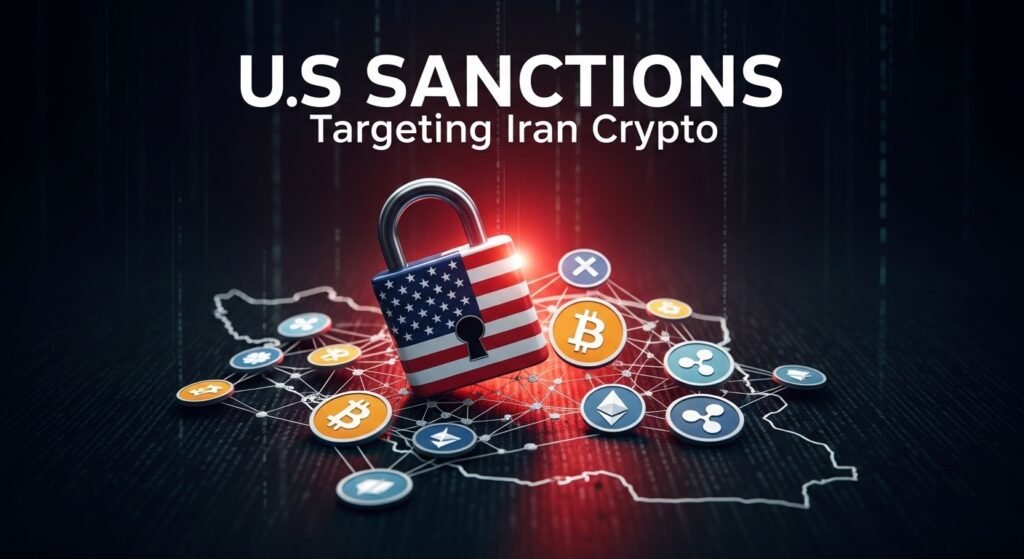
The United States has intensified its crackdown on illicit financial activity by targeting Iran-linked cryptocurrency networks, marking a significant escalation in the intersection of geopolitics and digital assets. In a sweeping move, the U.S. Treasury has sanctioned multiple crypto wallets and networks tied to Iran, freezing hundreds of millions of dollars in digital assets.

This development highlights a growing reality: cryptocurrencies are no longer outside the reach of global financial enforcement. Instead, they are becoming a central battleground for economic sanctions, regulatory oversight, and national security strategies.

According to recent reports, the U.S. Treasury froze approximately $344 million in cryptocurrency linked to Iranian financial networks, as part of a broader effort to disrupt funding channels.

What the New Sanctions Target

Crypto Wallets and Financial Networks

The sanctions specifically target digital wallets and blockchain-based financial networks associated with Iran. These wallets are believed to be used for moving funds internationally, often bypassing traditional banking systems.

Officials confirmed that multiple wallets were blacklisted, effectively blocking access to funds and limiting their usability within the global financial ecosystem.

$344 Million in Frozen Crypto Assets

A key highlight of the announcement is the freezing of $344 million in cryptocurrency assets, one of the largest such enforcement actions to date.

This action demonstrates the increasing capability of governments to track and seize digital assets, despite the decentralized nature of blockchain technology.

Why the US Is Targeting Crypto Networks

Cutting Off Financial Lifelines

U.S. officials have made it clear that the goal is to “target all financial lifelines” connected to Iran.

Cryptocurrency has become a key tool for countries under sanctions, allowing them to:

  • Circumvent banking restrictions
  • Move funds across borders
  • Access global markets indirectly

By targeting crypto networks, the U.S. aims to close these alternative channels.

Iran’s Growing Use of Cryptocurrency

Iran has increasingly turned to cryptocurrencies due to international sanctions limiting its access to traditional financial systems. Reports indicate that billions of dollars in crypto transactions are linked to Iranian entities annually.

This includes:

  • State-linked financial operations
  • Private sector adoption
  • Use of stablecoins for cross-border transactions

Role of Stablecoins and Exchanges

Tether and Asset Freezes

One notable aspect of the crackdown involves cooperation with private companies. Reports indicate that stablecoin issuer Tether froze hundreds of millions of dollars in USDT linked to sanctioned entities.

This shows how centralized components of the crypto ecosystem—such as stablecoins—can be leveraged for enforcement.

Exchanges Under Scrutiny

Earlier in 2026, the U.S. also sanctioned crypto exchanges tied to Iran, marking the first time entire platforms were targeted under such measures.

This trend suggests increasing pressure on:

  • Centralized exchanges
  • DeFi platforms
  • Cross-border payment systems

Broader Context: Economic Pressure Campaign

“Economic Fury” Strategy

The sanctions are part of a broader campaign described as “Economic Fury,” aimed at weakening Iran’s financial capabilities.

This strategy includes:

  • Targeting oil exports
  • Sanctioning shipping networks
  • Freezing digital assets

Integration of Crypto Into Sanctions Policy

The inclusion of cryptocurrency networks in sanctions reflects a major shift in policy. Digital assets are now considered:

  • Traceable
  • Enforceable
  • Regulated under global frameworks

Impact on the Crypto Market

Impact on Crypto Market

Increased Regulatory Pressure

This move reinforces the idea that governments can and will regulate crypto markets. It may lead to:

  • Stricter compliance requirements
  • Enhanced KYC/AML measures
  • Greater oversight of blockchain transactions

Market Sentiment and Investor Reaction

In the short term, market impact may remain limited.
However, such actions can influence long-term sentiment.

Investors may become more cautious, especially regarding regulatory risks.

DeFi and Privacy Concerns

On the other hand, this development raises concerns about decentralization.

Key issues include:

  • Reduced anonymity
  • Increased monitoring
  • Potential censorship

Therefore, the balance between privacy and regulation remains uncertain.

Evasion Techniques

Sanctioned entities often use advanced strategies to avoid detection.
For instance, they may use:

  • Multiple wallets
  • Mixing services
  • Complex transaction paths

Therefore, enforcement remains an ongoing challenge.

What This Means for the Future of Crypto Regulation

A Turning Point for Policy

Overall, this marks a major shift in how governments treat crypto.
Going forward, digital assets will face tighter regulation globally.

Implications for Developers and Users

For crypto developers and users, this means:

  • Increased need for compliance
  • Greater transparency expectations
  • Potential limitations on anonymity

Conclusion

The U.S. Treasury’s decision to sanction Iran-linked cryptocurrency networks marks a significant moment in the evolution of crypto regulation and global finance. By freezing $344 million in digital assets and targeting blockchain-based financial channels, the U.S. is demonstrating that cryptocurrencies are no longer beyond regulatory reach.

While this move aims to disrupt illicit financial activity, it also raises important questions about privacy, decentralization, and the future of the crypto ecosystem. As governments continue to refine their strategies, the balance between innovation and regulation will define the next phase of the digital asset industry.

FAQs

Q. How much cryptocurrency was frozen in the sanctions?

Approximately $344 million in crypto assets were frozen as part of the sanctions.

Q. Why is the US targeting crypto networks linked to Iran?

To cut off financial channels used to bypass sanctions and fund state activities.

Q. Can governments really control cryptocurrency?

While crypto is decentralized, governments can track wallets, sanction entities, and work with exchanges to enforce rules.

Q. What role do stablecoins play in sanctions?

Stablecoins like USDT can be frozen by issuers, making them easier to control compared to fully decentralized assets.

Q. Will this affect regular crypto users?

Indirectly, yes. It may lead to stricter regulations, increased compliance requirements, and reduced anonymity.

Explore more articles like this

Subscribe to the Finance Redefined newsletter

A weekly toolkit that breaks down the latest DeFi developments, offers sharp analysis, and uncovers new financial opportunities to help you make smart decisions with confidence. Delivered every Friday

By subscribing, you agree to our Terms of Services and Privacy Policy

READ MORE

How to Buy Dogecoin with Credit Card: Step-by-Step Guide

how to buy Dogecoin with credit card

COIN4U IN YOUR SOCIAL FEED

Looking to learn how to buy Dogecoin with credit card quickly and securely? You’re in the right place. Dogecoin, the popular meme cryptocurrency that started as a joke but has gained serious traction, can be purchased instantly using your credit card through various reputable platforms. This comprehensive guide will walk you through the entire process, from choosing the right exchange to completing your first Dogecoin purchase with your credit card. Whether you’re a complete beginner or looking to diversify your crypto portfolio, buying Dogecoin with a credit card offers convenience and instant access to this exciting digital asset.

Why Choose Credit Card for Dogecoin Purchases?

Using a credit card to buy Dogecoin offers several advantages over other payment methods. Credit cards provide instant transactions, buyer protection, and the ability to earn rewards on your cryptocurrency purchases. Many major cryptocurrency exchanges now accept credit card payments, making it easier than ever to enter the Dogecoin market without waiting for bank transfers or dealing with complex wire transfers.

Best Platforms to Buy Dogecoin with Credit Card

Coinbase – Most Beginner-Friendly Option

Coinbase stands out as the most user-friendly platform for purchasing Dogecoin with a credit card. The platform offers a simple interface, strong security measures, and supports most major credit cards including Visa, Mastercard, and American Express. Coinbase charges approximately 3.99% for credit card purchases, which is competitive within the industry.

Binance – Low Fees and High Liquidity

Binance offers some of the lowest fees for credit card purchases, typically around 1.8%. The platform supports a wide range of credit cards and provides excellent liquidity for Dogecoin trading. Binance also offers advanced trading features for users who want to explore more sophisticated trading strategies.

Kraken – Enhanced Security Features

Kraken is known for its robust security measures and regulatory compliance. While their credit card fees are slightly higher at around 4.5%, they offer excellent customer support and have never been hacked, making them a trusted choice for larger purchases.

Step-by-Step Guide: How to Buy Dogecoin with Credit Card

Step-by-Step Guide: How to Buy Dogecoin with Credit Card

Choose Your Exchange

Select a reputable cryptocurrency exchange that supports credit card payments and Dogecoin trading. Consider factors like fees, security, user interface, and available features when making your decision.

 Create and Verify Your Account

Sign up for an account on your chosen platform. You’ll need to provide basic information and complete identity verification (KYC) by uploading government-issued ID and proof of address. This process typically takes 24-48 hours.

 Add Your Credit Card

Navigate to the payment methods section and add your credit card details. Most platforms support major credit cards and use secure encryption to protect your financial information.

Purchase Dogecoin

Once your account is verified and your credit card is added, you can purchase Dogecoin directly. Enter the amount you want to buy, review the transaction details including fees, and confirm your purchase.

Secure Your Dogecoin

After purchase, consider transferring your Dogecoin to a secure wallet for long-term storage. While keeping small amounts on exchanges is generally safe, hardware wallets offer the highest level of security for larger holdings.

Understanding Fees and Costs

When you buy Dogecoin with a credit card, you’ll encounter several types of fees. Credit card processing fees typically range from 1.8% to 4.5%, depending on the platform. Some exchanges also charge spread fees, which represent the difference between buying and selling prices. Additionally, your credit card issuer may charge cash advance fees, so check with your bank before making purchases.

Security Tips for Credit Card Crypto Purchases

Always use reputable exchanges with strong security measures including two-factor authentication and cold storage for funds. Never share your credit card information through unsecured channels, and regularly monitor your credit card statements for unauthorized transactions. Consider using a dedicated credit card for cryptocurrency purchases to better track your spending.

Tax Implications and Record Keeping

Purchasing Dogecoin with a credit card creates a taxable event in most jurisdictions. Keep detailed records of your purchases, including dates, amounts, and prices paid. This information will be crucial for calculating capital gains or losses when you sell your Dogecoin.

Alternatives to Credit Card Purchases

While credit cards offer convenience, other payment methods like bank transfers, debit cards, and peer-to-peer trading platforms may offer lower fees. Bank transfers typically have lower fees but take longer to process, while debit cards offer similar convenience with slightly lower fees than credit cards.

Common Mistakes to Avoid

Avoid purchasing Dogecoin from unregulated exchanges or platforms with poor security records. Don’t buy more than you can afford to lose, and never use credit cards to borrow money for cryptocurrency investments. Always verify the exchange’s legitimacy and read user reviews before making your first purchase.

Conclusion

Learning how to buy Dogecoin with credit card opens up instant access to one of the most popular cryptocurrencies in the market. By choosing a reputable exchange, understanding the fees involved, and following proper security practices, you can safely and efficiently add Dogecoin to your investment portfolio. Remember to start with small amounts, keep detailed records for tax purposes, and only invest what you can afford to lose. Ready to get started? Choose your preferred exchange today and take your first step into the exciting world of Dogecoin investing.

Explore more articles like this

Subscribe to the Finance Redefined newsletter

A weekly toolkit that breaks down the latest DeFi developments, offers sharp analysis, and uncovers new financial opportunities to help you make smart decisions with confidence. Delivered every Friday

By subscribing, you agree to our Terms of Services and Privacy Policy

READ MORE

ADD PLACEHOLDER