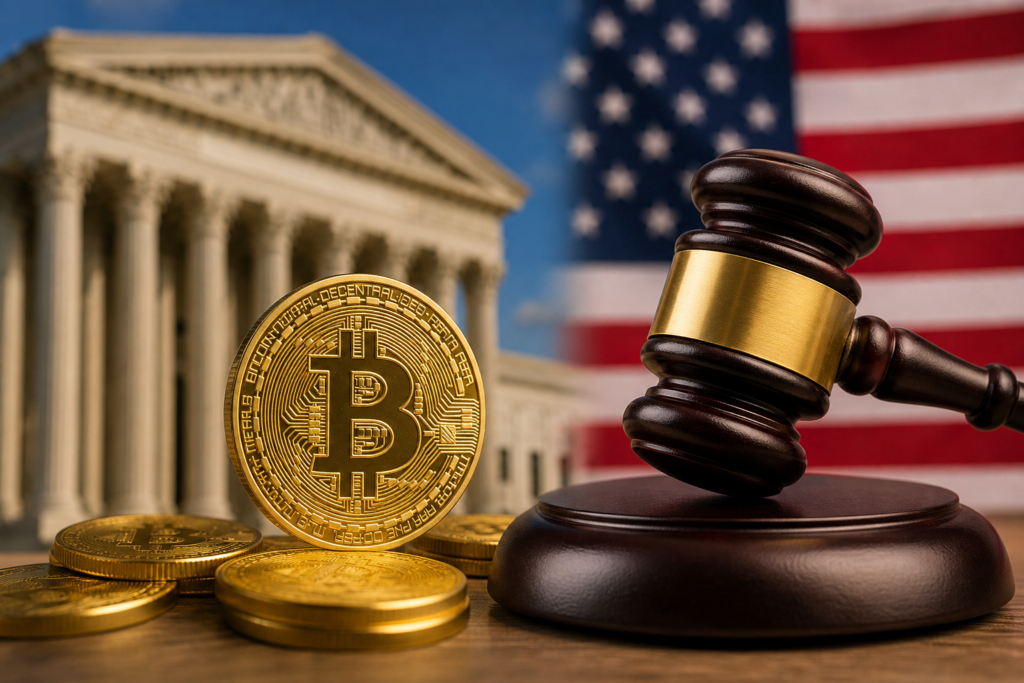
Coinbase Crypto Bill Deal Signals Major Breakthrough

Coinbase Crypto Bill Deal Signals Major Breakthrough

COIN4U IN YOUR SOCIAL FEED

The global cryptocurrency industry has long operated in a regulatory gray area, particularly in the United States, where lawmakers have struggled to balance innovation with financial stability. A major breakthrough has now emerged as Coinbase revealed that a deal has been reached on a key provision of a landmark crypto bill. This development could reshape the future of digital assets, offering clarity to businesses, investors, and regulators alike.

The announcement marks a turning point in ongoing negotiations surrounding U.S. crypto legislation, particularly the contentious issue of stablecoin rewards and yield-bearing crypto products. For years, banks and crypto firms have been at odds over whether digital asset platforms should be allowed to offer interest-like incentives to users. With this new compromise, both sides appear to have found common ground, potentially unlocking progress for a long-awaited regulatory framework.

This article explores the significance of this agreement, the challenges that led to it, and its broader implications for the crypto market, financial institutions, and global adoption trends.

Understanding the Crypto Bill and Its Importance

The proposed U.S. crypto legislation, often referred to as a market structure bill, aims to establish a comprehensive regulatory framework for digital assets. This includes defining how cryptocurrencies are classified, which agencies oversee them, and how companies must operate within legal boundaries.

For years, the lack of clear rules has created uncertainty for companies like Coinbase, which operate at the intersection of finance and technology. Industry leaders have argued that regulatory clarity is essential for innovation, investment, and consumer protection.

The bill is particularly important because it could determine whether the U.S. remains a global leader in blockchain technology or falls behind jurisdictions with more defined crypto policies. By addressing issues like stablecoins, exchange operations, and consumer safeguards, the legislation seeks to bring order to a rapidly evolving sector.

The Key Provision: Stablecoin Rewards Debate

Why Stablecoin Rewards Became Controversial

At the center of the dispute was the issue of stablecoin rewards, a feature that allows users to earn returns on digital assets pegged to fiat currencies like the U.S. dollar. Crypto platforms have used these incentives to attract users and compete with traditional financial products.

However, banks strongly opposed this model, arguing that such rewards could function similarly to interest-bearing deposits. They warned that allowing crypto firms to offer these incentives could lead to deposit flight, reducing the funds available for lending in the traditional banking system.

This disagreement created a significant roadblock, delaying progress on the broader crypto bill.

The Compromise That Changed Everything

The newly reached agreement introduces a balanced approach. While it imposes restrictions on rewards that resemble traditional bank interest, it still allows crypto platforms to offer incentives tied to actual usage of their networks.

This compromise ensures that:

  • Banks are protected from unfair competition.
  • Crypto firms retain the ability to innovate.
  • Consumers can still benefit from participation in digital ecosystems.

The deal also includes provisions for regulators to establish a stablecoin disclosure framework and define permissible reward structures, signaling a more structured approach to oversight.

How Coinbase Influenced the Negotiations

As one of the largest cryptocurrency exchanges in the world, Coinbase played a pivotal role in shaping the conversation around crypto regulation. The company has consistently advocated for policies that support innovation while ensuring compliance with financial laws.

Coinbase’s leadership argued that banning rewards entirely would be anti-competitive and hinder the growth of blockchain-based financial services. Their stance emphasized that rewards should reflect genuine participation in crypto networks rather than mimic traditional banking products.

According to reports, Coinbase supported the final compromise, highlighting that it preserves the ability for users to earn rewards based on real activity rather than passive deposits.

This outcome reflects the growing influence of crypto companies in policy discussions, signaling a shift toward collaborative regulation.

Legislative Progress and What Happens Next

Clearing the Path for Senate Approval

The agreement on this key provision removes one of the biggest obstacles to passing the crypto bill. Lawmakers can now move forward with discussions in the Senate, bringing the legislation closer to becoming law.

This progress is significant because earlier attempts to advance the bill had stalled due to disagreements between financial institutions and crypto firms. The new compromise demonstrates that bipartisan cooperation is possible, even in complex regulatory areas.

Remaining Challenges

Despite this breakthrough, several hurdles remain. Political considerations, regulatory details, and broader economic concerns could still impact the bill’s final outcome.

For instance, debates continue around issues such as:

  • Oversight authority between regulatory agencies
  • Consumer protection measures
  • Ethical concerns involving political figures and crypto investments

Some analysts suggest that while the deal is a major step forward, the bill’s passage is not guaranteed due to the complexities of U.S. politics.

Impact on the Crypto Industry

Boosting Market Confidence

The agreement is expected to have a positive impact on the crypto market by reducing uncertainty. Investors and businesses alike have been waiting for clearer rules to guide their decisions.

Regulatory clarity can lead to:

  • Increased institutional investment
  • Greater adoption of digital assets
  • Enhanced trust among users

This development could also encourage companies to expand their operations within the U.S., rather than relocating to crypto-friendly jurisdictions.

Strengthening Competitive Dynamics

By allowing controlled reward systems, the compromise ensures that crypto platforms can continue to compete with traditional financial institutions. This creates a more balanced financial ecosystem where innovation and stability coexist.

At the same time, banks benefit from safeguards that prevent direct competition with deposit-based products, maintaining the integrity of the traditional financial system.

The Role of Stablecoins in the Financial System

Stablecoins have emerged as a critical component of the digital economy, bridging the gap between traditional finance and blockchain technology. They are widely used for trading, payments, and decentralized finance applications.

The new legislation recognizes the importance of stablecoins while addressing concerns about their potential impact on banking systems. By introducing clear guidelines and disclosure requirements, the bill aims to ensure that stablecoins operate safely and transparently.

This approach could pave the way for stablecoins to become a mainstream financial tool, enabling faster and more efficient transactions across borders.

Broader Implications for Global Crypto RegulationThe Role of Stablecoins in the Financial System

Setting a Global Precedent

The United States plays a crucial role in shaping global financial policies. A comprehensive crypto regulatory framework could influence how other countries approach digital assets.

If the bill is successfully passed, it could:

  • Serve as a model for international regulations
  • Encourage cross-border collaboration
  • Standardize compliance practices

This would benefit global markets by reducing fragmentation and creating a more unified approach to crypto governance.

Encouraging Innovation

Clear regulations often act as a catalyst for innovation. By defining the rules of the game, lawmakers can create an environment where companies feel confident investing in new technologies.

This could lead to advancements in areas such as:

  • Decentralized finance (DeFi)
  • Blockchain infrastructure
  • Tokenized assets

Ultimately, the agreement signals a shift toward a more mature and regulated crypto industry.

Political and Economic Context

The progress of the crypto bill also reflects broader political and economic dynamics. The U.S. government has increasingly recognized the importance of digital assets in shaping the future of finance.

At the same time, concerns about financial stability, consumer protection, and national security have driven the need for regulation. The compromise between banks and crypto firms highlights the delicate balance required to address these competing priorities.

The involvement of policymakers and industry leaders underscores the growing significance of crypto in mainstream economic discussions.

What This Means for Investors

For investors, the agreement represents both opportunity and caution. On one hand, regulatory clarity can unlock new growth potential and reduce risks associated with uncertainty.

On the other hand, increased oversight may introduce new compliance requirements and limitations on certain activities.

Investors should pay close attention to:

  • Changes in reward structures
  • Regulatory guidelines for exchanges
  • Market reactions to legislative developments

Understanding these factors will be crucial for making informed investment decisions in the evolving crypto landscape.

Conclusion

The announcement that Coinbase says a deal has been reached on a key provision of the crypto bill marks a significant milestone in the journey toward comprehensive digital asset regulation. By resolving the contentious issue of stablecoin rewards, lawmakers have taken a major step toward bridging the gap between traditional finance and the crypto industry.

While challenges remain, the progress achieved so far demonstrates the potential for collaboration and compromise. If the bill moves forward successfully, it could transform the regulatory environment, boost market confidence, and position the United States as a leader in the global crypto ecosystem.

As the industry continues to evolve, this development serves as a reminder that the future of finance will be shaped not only by innovation but also by thoughtful and balanced regulation.

FAQs

Q. What is the key provision in the crypto bill?

The key provision focuses on stablecoin rewards, determining how crypto platforms can offer incentives without competing directly with traditional bank deposits.

Q. Why was the crypto bill delayed?

The bill was stalled due to disagreements between banks and crypto firms over whether stablecoin rewards should be allowed.

Q. How does the deal impact Coinbase?

The agreement allows Coinbase to continue offering rewards tied to platform usage, while complying with new regulatory restrictions.

Q. Will the crypto bill become law soon?

While progress has been made, the bill still faces political and regulatory challenges before it can be passed.

Q. What does this mean for crypto investors?

Investors may benefit from increased market stability and clearer regulations, but they should also be aware of new compliance requirements.


Explore more articles like this

Subscribe to the Finance Redefined newsletter

A weekly toolkit that breaks down the latest DeFi developments, offers sharp analysis, and uncovers new financial opportunities to help you make smart decisions with confidence. Delivered every Friday

By subscribing, you agree to our Terms of Services and Privacy Policy

READ MORE

Cryptocurrency and Digital Commerce Regulation Guide

Cryptocurrency and Digital

COIN4U IN YOUR SOCIAL FEED

The rapid rise of cryptocurrency and the expansion of digital commerce have reshaped modern finance, online business models and global economic behaviour. What began as a technological experiment driven by decentralised digital currencies has evolved into a sophisticated ecosystem that includes blockchain networks, tokenised assets, decentralised finance and innovative digital payment solutions. As more consumers and businesses adopt these technologies, the need for strong and balanced cryptocurrency and digital commerce regulation becomes increasingly essential. Regulation must address transparency, safety, consumer protection and financial stability without hindering the innovation that fuels economic progress.

The regulatory environment around cryptocurrency and digital commerce is complex because it must align with rapidly evolving technologies. Governments across the world are trying to create frameworks that ensure security and accountability while supporting growth in financial and technological sectors. Businesses involved in digital trade must understand how regulations apply to them, and users must be aware of how these rules protect their rights and assets. This article explores the full landscape of cryptocurrency and digital commerce regulation, providing clarity on why regulation matters, how laws differ across regions and what the future of the digital economy might look like.

Cryptocurrency and Digital Commerce

To understand the purpose and structure of cryptocurrency and digital commerce regulation, it is important to first define the digital components at the heart of this transformation. Cryptocurrency refers to digital assets secured by cryptographic algorithms and powered by distributed ledger technology. These assets operate on blockchain networks, where transactions are recorded transparently and immutably. Bitcoin and Ethereum are the two most widely recognised cryptocurrencies, but thousands of tokens exist today, each serving different functions in digital ecosystems. Unlike traditional currencies, cryptocurrencies operate without a central authority, allowing fast, borderless and peer-to-peer transactions that bypass traditional banking systems.

Digital commerce refers to the buying and selling of goods and services using electronic platforms, ranging from online stores and mobile apps to digital marketplaces and subscription platforms. With the integration of cryptocurrencies into mainstream commerce, digital commerce has expanded into a broader digital economy. Users can purchase goods, access digital services or invest in tokenised assets directly from their digital wallets. This integration, while beneficial, introduces new regulatory challenges, especially in areas such as consumer rights, taxation, transaction transparency and platform accountability.

Why Regulation Matters in the Digital Economy

Why Regulation Matters in the Digital Economy

Regulation in the cryptocurrency and digital commerce space is necessary to ensure stability, prevent abuse and promote trust. Consumers engaging with cryptocurrencies often lack deep technical which can expose them to risks such as price volatility, phishing attacks, wallet compromises and fraudulent platforms. Without regulatory protection, users may suffer irreversible losses. Consumer protection laws adapted to digital technology ensure that businesses offering crypto services maintain transparent policies, secure infrastructure and fair dispute mechanisms.

Another major reason regulation is important is the need to combat financial crime. Cryptocurrencies have occasionally been misused for illegal activities because transactions can be pseudonymous and instantaneous. Regulators implement anti-money laundering controls and require service providers to verify user identities to reduce the potential for illicit activity. These rules allow law enforcement and financial authorities to detect suspicious behaviour while enabling legitimate transactions to flourish. By enforcing compliance, governments prevent crypto from becoming a haven for criminal enterprises.

Regulation also ensures fairness across the financial industry. Traditional finance institutions must comply with extensive legal requirements, while early crypto platforms once operated without comparable oversight. Creating a level regulatory framework ensures healthy competition while preventing new companies from gaining unfair advantages through regulatory gaps. In the long run, well-crafted regulations support innovation by creating clear rules, encouraging responsible growth and building confidence among investors, consumers and businesses.

Key Pillars of Cryptocurrency and Digital Commerce Regulation

Regulatory systems around the world generally focus on a few major themes, despite differences in legal traditions and economic priorities. One of the most important themes involves the classification of digital assets. Depending on their design and purpose, cryptocurrencies may be treated as currencies, commodities, securities or utility tokens. This classification determines which laws apply to the asset and how businesses must handle it. For example, a token that resembles an investment contract may be subject to securities regulation, requiring detailed disclosures and investor protections.

Another key pillar involves licensing and registration for crypto-related service providers. Exchanges, custodial wallet providers, payment processors and platforms offering token investment opportunities often need official authorisation to operate. Regulators require these businesses to maintain proper financial records, secure customer assets and demonstrate that they can operate safely. Licensing ensures that service providers meet minimum standards, reducing the risk of fraud or mismanagement.

Compliance with anti-money laundering and know-your-customer laws is another foundational aspect of cryptocurrency and digital commerce regulation. Businesses handling digital assets must verify customer identities, monitor unusual activities and report suspicious transactions to financial authorities. These procedures discourage criminal misuse of cryptocurrency and help integrate digital assets into the global financial system. Users may find identity verification burdensome, but it is essential for maintaining the integrity of the digital economy.

Taxation is another major element of regulation. Governments must determine how to tax crypto transactions, whether treating gains as capital income, business income or property-based gains. Merchants accepting cryptocurrency may need to convert values for tax reporting at the moment of the transaction. Staking rewards, mining profits and NFT sales may also carry tax obligations. Regulations help both individuals and businesses understand their responsibilities and avoid accidental non-compliance.

Finally, consumer rights and data protection form a growing area of digital commerce regulation. With users sharing personal information online and transacting digitally, rules surrounding privacy, cybersecurity, refund policies, and platform transparency are becoming increasingly important. Regulators expect businesses to secure sensitive information, communicate risks clearly and respond efficiently in case of breaches or service failures.

How Different Regions Approach Crypto and Digital Commerce

How Different Regions Approach Crypto and Digital Commerce

Regulatory approaches differ significantly across regions, reflecting varying attitudes toward innovation, financial stability and consumer protection. In North America, the regulatory environment is fragmented, especially in the United States, where different federal agencies interpret cryptocurrencies differently. Some agencies classify certain tokens as commodities while others treat them as securities. States may also impose individual licensing requirements, creating a multi-layered regulatory landscape. Canada has established a more streamlined system that treats many crypto trading platforms as securities dealers, requiring them to follow strict investor protection rules. Both countries pay close attention to issues related to stablecoins, decentralised platforms and tokenised securities.

Europe has moved toward a harmonised regulatory structure with the introduction of the Markets in Crypto-Assets framework. This regulation provides detailed rules for crypto asset service providers across the European Union, focusing on transparency, consumer protection and market integrity. Europe also applies strong privacy and e-commerce standards, which means crypto platforms must comply with multiple layers of regulation. As a region, the European Union leans toward treating digital assets similarly to traditional financial instruments while also supporting responsible innovation.

In the Asia-Pacific region, regulatory attitudes vary widely. Some countries promote technology development and crypto adoption by creating clear licensing regimes and innovation-friendly laws. Others impose strict limits on cryptocurrency trading or ban certain activities altogether. The region is diverse, but there is a common focus on controlling capital flows and ensuring financial stability. Many governments in the region pay special attention to cross-border payments, digital entertainment markets, gaming platforms and remittance services powered by blockchain.

Regulation of Crypto Payments in Digital Commerce

The use of cryptocurrency for everyday transactions has grown steadily, with more merchants accepting digital assets as payment for goods and services. Regulation plays a critical role in this area because both consumers and merchants need clarity on legal, tax and security aspects of crypto transactions. When a merchant receives cryptocurrency directly, they must understand how local laws treat digital assets, whether they must convert payments into fiat currency, and how to compute taxable income. Because crypto transactions are irreversible, consumer refund rights and chargeback policies must also be clearly defined.

Payment gateways that convert cryptocurrency to fiat currency offer additional convenience but also take on regulatory responsibilities. These companies often act as intermediaries and may need to comply with financial licensing rules, maintain secure processing systems and protect customer information. Their role makes cryptocurrency payments more accessible to merchants who prefer not to manage blockchain wallets themselves.

Stablecoins have become especially important in digital commerce because they offer the benefits of blockchain transactions without the extreme price volatility associated with many cryptocurrencies. However, stablecoins raise regulatory questions about issuer responsibility, reserve backing and systemic risk. Governments aim to ensure that stablecoin issuers hold sufficient assets to support redemption and operate with full transparency. As stablecoins become more integrated into digital commerce, they are likely to face increasingly detailed regulatory oversight.

See More: Comprehensive Guide to Cryptocurrency Blockchain and Digital Finance

Compliance Challenges for Businesses

Businesses operating in cryptocurrency and digital commerce face unique challenges because regulations evolve rapidly and differ across countries. One of the biggest challenges involves managing obligations across multiple jurisdictions. Since digital platforms typically serve global audiences, businesses may need to comply with several regulatory frameworks simultaneously. Some companies choose to limit services in certain regions to avoid legal complexity, while others invest heavily in compliance infrastructure to operate globally.

A second major challenge is balancing user privacy with regulatory oversight. Cryptocurrency users often prefer anonymity or pseudonymity, yet regulators require transparency for the sake of financial security and anti-crime measures. Businesses must find ways to respect user privacy while implementing identity verification and monitoring systems. Emerging technologies such as zero-knowledge proofs may eventually help reconcile privacy goals with regulatory requirements, but regulators are still learning how to apply these tools.

Cybersecurity presents another significant challenge. Digital assets are vulnerable to hacking, phishing attacks and technical failures. Businesses must implement strong security systems, conduct frequent audits and prepare detailed response plans for security incidents. Operational resilience is increasingly becoming a regulatory expectation, and companies that fail to secure customer assets may face penalties, reputational damage and loss of trust.

Future Trends in Cryptocurrency and Digital Commerce Regulation

The future of cryptocurrency and digital commerce regulation will likely involve greater integration between digital and traditional finance. As banks, fintech companies and established financial institutions adopt blockchain technology, regulatory frameworks may become more unified. Tokenisedd securities, digital bonds and central bank digital currencies are examples of products that will blur the line between decentralised and centralised finance. This convergence may lead to clearer rules and more predictable compliance expectations.

International cooperation is another emerging trend. Because blockchain networks operate globally, no single nation can regulate digital assets effectively on its own. International organisations and regulatory bodies are working toward consistent global standards on issues such as anti-money laundering, cross-border taxation and supervision of virtual asset service providers. More coordinated regulation can reduce fragmentation and help businesses operate more confidently across multiple markets.

Finally, regulation is becoming more technologically informed. Policymakers are increasingly willing to learn about blockchain mechanisms, smart contract design and decentralised architectures instead of applying outdated laws rigidly. This shift can encourage innovation by allowing regulators to craft rules that address outcomes rather than specific technologies. Regulatory sandboxes, pilot programs and public consultations will likely become more common as authorities seek to understand how emerging technologies can coexist with financial safeguards.

Conclusion

Cryptocurrency and digital commerce are transforming the global economy by enabling faster, more secure and more transparent ways of transferring value. As adoption grows, the importance of strong, clear and flexible cryptocurrency and digital commerce regulation becomes undeniable. Regulation protects consumers, prevents financial crime, maintains market integrity and creates a stable environment for innovation. While regulatory approaches differ across regions, the trend is toward more structured and cooperative frameworks that integrate digital assets into mainstream finance.

Users benefit when they understand how regulations affect their rights, security and responsibilities. Businesses succeed when they embrace compliance as part of their long-term strategy and design their platforms with regulatory expectations in mind. As the digital economy evolves, those who recognise regulation as. Pillar of trust—not a barrier—will be best positioned to thrive in the future of digital finance.

Explore more articles like this

Subscribe to the Finance Redefined newsletter

A weekly toolkit that breaks down the latest DeFi developments, offers sharp analysis, and uncovers new financial opportunities to help you make smart decisions with confidence. Delivered every Friday

By subscribing, you agree to our Terms of Services and Privacy Policy

READ MORE

ADD PLACEHOLDER