












How to Invest in Cryptocurrency Safely Beginner’s Guide

how to invest in cryptocurrency safely

COIN4U IN YOUR SOCIAL FEED

The cryptocurrency market has exploded in recent years, attracting millions of investors worldwide. However, knowing how to invest in cryptocurrency safely remains a critical challenge for beginners entering this volatile digital asset space. With over $2 trillion in market capitalization, cryptocurrencies like Bitcoin, Ethereum, and thousands of altcoins present both tremendous opportunities and significant risks.

Many new investors lose money because they don’t understand the fundamental principles of secure cryptocurrency investing. This comprehensive guide will teach you exactly how to invest in cryptocurrency safely, covering everything from choosing reputable exchanges to implementing proper security measures. Whether you’re looking to make your first crypto purchase or improve your existing investment strategy, this article provides the essential knowledge you need to protect your digital assets while maximizing your potential returns.

By following these proven safety protocols, you’ll learn to navigate the crypto market with confidence and avoid the common pitfalls that trap inexperienced investors.

Understanding Cryptocurrency Investment Risks

Before diving into safe investment strategies, it’s crucial to understand the inherent risks in cryptocurrency markets. Digital assets are notoriously volatile, with prices capable of swinging 20-50% in a single day. Unlike traditional stocks, cryptocurrencies operate in a largely unregulated environment, making them susceptible to market manipulation and sudden regulatory changes.

The decentralized nature of cryptocurrencies means there’s no central authority to reverse transactions or recover lost funds. This characteristic, while providing freedom from traditional banking systems, places the entire responsibility of security on individual investors. Smart contract vulnerabilities, exchange hacks, and wallet compromises have resulted in billions of dollars in losses over the years.

Additionally, the psychological aspect of crypto investing cannot be overlooked. FOMO (Fear of Missing Out) and panic selling during market downturns have caused many investors to make poor decisions. Understanding these risks is the first step in learning how to invest in cryptocurrency safely and developing a disciplined approach to digital asset investing.

How to Choose Secure Cryptocurrency Exchanges
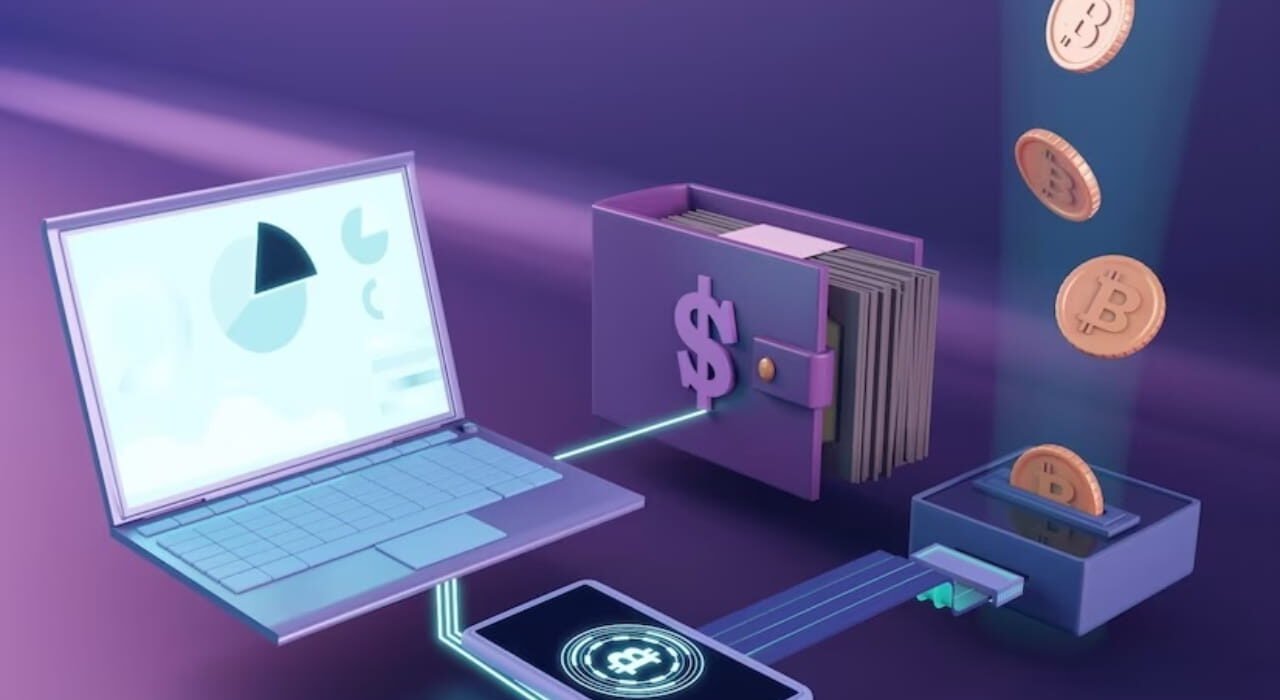
How to Choose Secure Cryptocurrency Exchanges

Selecting a reputable cryptocurrency exchange is fundamental to safe crypto investing. Not all exchanges are created equal, and choosing the wrong platform can result in significant losses. When evaluating exchanges, prioritize those with strong regulatory compliance, robust security measures, and proven track records.

Look for exchanges that offer two-factor authentication (2FA), cold storage for user funds, and regular security audits. Major platforms like Coinbase, Binance, and Kraken have established themselves as industry leaders through years of operation and transparent security practices. These exchanges also carry insurance policies that protect user funds against certain types of breaches.

Verify that your chosen exchange is licensed to operate in your jurisdiction and complies with local regulations. Avoid newer or unknown exchanges that promise unrealistic returns or lack proper regulatory oversight. Always check user reviews and industry ratings before committing your funds to any platform.

Consider using multiple exchanges to diversify your risk and avoid putting all your cryptocurrency holdings in one basket. This strategy also provides flexibility in trading different cryptocurrencies that may not be available on a single platform.

Evaluating Exchange Security Features

When assessing exchange security, examine their cold storage practices. Reputable exchanges store the majority of user funds (typically 95%+) in offline cold wallets that are disconnected from the internet. This practice significantly reduces the risk of hacking attempts.

Review the exchange’s history of security incidents and how they handled them. Transparent communication during security events and prompt user compensation indicate a trustworthy platform. Additionally, look for exchanges that offer withdrawal whitelisting, which allows you to specify approved wallet addresses for fund transfers.

Essential Security Measures for Safe Crypto Investment

Implementing proper security measures is non-negotiable when learning how to invest in cryptocurrency safely. Start by using hardware wallets for long-term storage of your digital assets. Hardware wallets like Ledger and Trezor keep your private keys offline, making them virtually immune to online attacks.

Never share your private keys or seed phrases with anyone, and store them securely offline. Consider using multiple backup locations and avoid storing them digitally where they could be compromised. Create strong, unique passwords for all your cryptocurrency accounts and enable two-factor authentication wherever possible.

Be extremely cautious of phishing attempts and fake websites designed to steal your credentials. Always double-check URLs and bookmark legitimate exchange and wallet websites. Avoid clicking on links in emails or messages claiming to be from cryptocurrency services.

Regularly update your software, including wallet applications, browser extensions, and operating systems. Keep your devices secure with up-to-date antivirus software and avoid using public Wi-Fi networks for cryptocurrency transactions.

Implementing Multi-Signature Wallets

For enhanced security, consider using multi-signature wallets that require multiple private keys to authorize transactions. This approach distributes risk and prevents a single point of failure from compromising your funds. Multi-sig wallets are particularly useful for larger investment amounts or business applications.

Smart Investment Strategies and Portfolio Management

Successful cryptocurrency investing requires a well-thought-out strategy beyond just security measures. Dollar-cost averaging (DCA) is an excellent approach for beginners, allowing you to invest fixed amounts regularly regardless of market conditions. This strategy helps reduce the impact of volatility and eliminates the stress of timing the market.

Diversification is crucial in cryptocurrency investing. While Bitcoin and Ethereum dominate the market, consider allocating portions of your portfolio to established altcoins with strong fundamentals. However, avoid over-diversification, which can dilute potential returns and make portfolio management complex.

Set clear investment goals and risk tolerance levels before making any purchases. Determine what percentage of your overall investment portfolio you’re willing to allocate to cryptocurrencies, keeping in mind that experts typically recommend no more than 5-10% for most investors.

Implement stop-loss orders and take-profit targets to automate your trading decisions and remove emotional bias. These tools help protect your capital during market downturns and secure profits during bullish periods.

Research and Due Diligence

Always conduct thorough research before investing in any cryptocurrency. Examine the project’s whitepaper, development team, use cases, and community support. Look for cryptocurrencies solving real-world problems with active development and strong partnerships.

Monitor market trends, regulatory developments, and technological advances that could impact your investments. Stay informed through reputable cryptocurrency news sources and avoid making investment decisions based on social media hype or unverified information.

Common Mistakes to Avoid When Investing in Crypto

One of the biggest mistakes new investors make is investing more than they can afford to lose. Cryptocurrency markets are highly speculative, and you should never invest money needed for essential expenses or emergency funds. This emotional attachment to money you can’t afford to lose often leads to poor decision-making during market volatility.

Avoid FOMO investing, where you rush to buy cryptocurrencies during price surges without proper research. Similarly, resist the urge to panic sell during market downturns. Both behaviors typically result in buying high and selling low, the opposite of successful investing.

Don’t fall for get-rich-quick schemes or promises of guaranteed returns. Legitimate cryptocurrency investments carry significant risks, and anyone promising sure profits is likely running a scam. Be particularly wary of Ponzi schemes disguised as cryptocurrency investment opportunities.

Many beginners make the mistake of day trading without sufficient knowledge or experience. Professional trading requires extensive education, emotional discipline, and significant time commitment. Most retail traders lose money, especially in volatile cryptocurrency markets.

Tax Implications and Legal Considerations

Tax Implications and Legal Considerations

Understanding the tax implications of cryptocurrency investing is essential for compliance and financial planning. In most jurisdictions, cryptocurrency transactions are taxable events, including trading between different cryptocurrencies. Keep detailed records of all transactions, including dates, amounts, and fair market values.

Consider consulting with a tax professional familiar with cryptocurrency regulations in your area. Tax laws are evolving rapidly, and staying compliant requires staying informed about changing regulations. Some countries have specific rules for cryptocurrency mining, staking, and DeFi activities.

Research the legal status of cryptocurrencies in your jurisdiction before investing. Some countries have banned or restricted cryptocurrency trading, while others have embraced digital assets with clear regulatory frameworks. Ensure your investment activities comply with local laws and regulations.

Building Your Cryptocurrency Investment Plan

Creating a systematic approach to cryptocurrency investing increases your chances of success while maintaining safety. Start by educating yourself about blockchain technology, different types of cryptocurrencies, and market dynamics. Knowledge is your best defense against scams and poor investment decisions.

Develop a written investment plan that includes your goals, risk tolerance, asset allocation, and exit strategies. Having a plan helps you stay disciplined during emotional market periods and makes it easier to track your progress over time.

Consider starting with small amounts while you learn and gain experience. As your knowledge and confidence grow, you can gradually increase your investment amounts. This approach allows you to learn from mistakes without risking significant capital.

Regularly review and adjust your investment strategy based on market conditions, personal circumstances, and new information. Successful cryptocurrency investing requires adaptability while maintaining core safety principles.

Conclusion

Learning how to invest in cryptocurrency safely requires dedication, education, and disciplined execution of security best practices. By choosing reputable exchanges, implementing proper security measures, diversifying your portfolio, and avoiding common mistakes, you can significantly reduce your risk while participating in the digital asset revolution.

Remember that cryptocurrency investing is a marathon, not a sprint. Focus on building knowledge, maintaining security, and making informed decisions rather than chasing quick profits. The cryptocurrency market will continue evolving, and those who prioritize safety and education will be best positioned for long-term success.

Ready to start your safe cryptocurrency investment journey? Begin by choosing a reputable exchange, setting up proper security measures, and investing only what you can afford to lose. Take the time to educate yourself thoroughly – your future financial success depends on the foundation you build today.

Explore more articles like this

Subscribe to the Finance Redefined newsletter

A weekly toolkit that breaks down the latest DeFi developments, offers sharp analysis, and uncovers new financial opportunities to help you make smart decisions with confidence. Delivered every Friday

By subscribing, you agree to our Terms of Services and Privacy Policy

READ MORE

Dino Altcoins Surge in Cryptocurrency Mania

COIN4U IN YOUR SOCIAL FEED

Every crypto cycle builds new narratives, yet one theme keeps resurfacing: the resurrection of older alternative coins—popularly dubbed Dino Altcoins. These are the veteran projects that once led headlines, cooled off during bear markets, and are now rumbling back to life as liquidity, attention, and developer energy rotate across the ecosystem. In today’s cryptocurrency mania, renewed interest in Dino Altcoins reflects a mix of macro liquidity, shifting investor psychology, cyclical altcoin season dynamics, and visible progress in roadmaps that had quietly matured in the background.

The appeal is simple but powerful. Many of these projects already survived multiple stress tests. They possess battle-hardened communities, widely integrated infrastructure, listings on major exchanges, and recognizable brands. In a market where new tokens emerge daily, the endurance of an older asset can feel like a comfort. But the real driver isn’t nostalgia—it’s utility. From smart contracts and DeFi rails to layer-2 scaling, indexing, interoperability, and payments, legacy altcoins often underpin the crypto plumbing that newer narratives rely upon.

What Makes a “Dino Altcoin”?

A Dino Altcoin isn’t just old. It’s a project with historical significance, recurring relevance, and sticky infrastructure. These assets often launched during earlier cycles, secured exchange coverage, and built tooling or network effects that persisted. They might not be the shiny new thing, but they anchor wallets, bridges, or DeFi protocols that keep crypto moving.

Key hallmarks include broad wallet support, multiple custody providers, robust documentation, and a long paper trail of audits and incident reports. Dino Altcoins also tend to have real governance histories—people remember past votes and upgrades. Crucially, they remain part of the conversation whenever developers discuss interoperability, staking, yield farming, or scalability. This combination of familiarity and function gives them a narrative edge when capital rotates down the risk curve.

Catalysts Behind the Comeback

Liquidity Cycles and the Risk Curve

Crypto capital rarely sits still. In the early stage of a crypto bull market, liquidity concentrates in the most trusted assets, then moves outward as confidence grows. Once majors rally, traders hunt beta in mid-caps and, eventually, the long tail. Dino Altcoins sit at a sweet spot: higher beta than blue chips, but lower headline risk than flash-in-the-pan tokens. As spot volumes rise and market capitalization expands, a modest percentage of that flow can translate into meaningful upside for legacy names.

Narrative Recycling and Brand Recall

Crypto narratives are not one-and-done. Themes like layer-1 competition, layer-2 scaling, privacy, and cross-chain bridges recur, each time amplifying assets with strong brand recall. When momentum speculators scan lists for “what could move next,” Dino Altcoins stand out because retail has heard of them before. That top-of-mind awareness lowers friction for capital rotation and accelerates rediscovery when the market collectively revisits old use cases with new tools.

Roadmap Maturity and Quiet Shipments

Bear markets are where serious teams ship. Many Dino Altcoins used downcycles to optimize consensus, harden security, refine tokenomics, and expand developer environments. These upgrades can be poorly understood by newer investors until a cycle spotlights them. The result is a re-rating when catalysts like mainnet upgrades, protocol merges, or ecosystem incentives become visible. In other words, yesterday’s promises become today’s product.

Infrastructure Entanglement

Dino Altcoins frequently anchor DeFi primitives, price oracles, index services, or EVM-compatible environments. They may power liquidity routes, cross-chain swaps, or NFT marketplaces that other projects depend on. This entanglement creates resilience: even if retail interest wanes, institutions, developers, and market makers still need these networks to function. When volumes rise, the underlying rails benefit from transaction fees, staking demand, or new listings.

How to Evaluate Dino Altcoins Today

How to Evaluate Dino Altcoins Today

Tokenomics That Actually Align Incentives

Tokenomics isn’t just supply. It’s the governance, emissions, lockups, and fee flows that determine who gets paid and when. Sustainable Dino Altcoins balance rewards for validators or stakers with a credible path to reduced inflation. Look for clear documentation, transparent on-chain data, and upgrade proposals that constrain emissions over time. If incentives drive behaviors that support network health—like staking to secure consensus or providing liquidity to deepen markets—the token has a stronger case beyond speculation.

Developer Mindshare and Commit Velocity

A chain lives or dies by builders. Git repositories, dev grants, hackathons, and integrations matter. Measure not only raw commit counts but also the breadth of contributors, the cadence of releases, and the presence of reference dApps. A small, steady stream of high-quality commits can signal more than sporadic bursts. Also track SDKs, documentation quality, and educational resources. Dino Altcoins with thriving dev ecosystems attract tooling, tutorials, and third-party integrations that compound over time.

Real Usage and Fee Generation

Narratives must connect to usage. Consider daily active addresses, transactions, fee revenue, and on-chain liquidity. If the protocol supports smart contracts, inspect which dApps are dominant and whether users stick around after incentives taper. For payment-oriented chains, merchant adoption, wallet partnerships, and POS integration are telling. For DeFi ecosystems, protocol TVL, utilization ratios, and the distribution of liquidity across pools can indicate whether usage is organic.

Security Track Record and Incident Response

Older chains carry scars, but scars show healing. Study past incidents, audits, and bug bounty programs. A mature Dino Altcoin will exhibit a pattern: incidents identified, mitigations shipped, and follow-up audits completed. The existence of a responsible disclosure process, independent security reviews, and timely postmortems inspires confidence. It’s not about zero vulnerabilities; it’s about proven response and learning.

Governance, Voting, and Accountability

Governance reveals a network’s values. Are proposals realistic or performative? Is voter turnout meaningful, and do whales dominate outcomes? Sustainable Dino Altcoins cultivate governance literacy, publish clear proposals, and record rationales for decisions. The best projects institutionalize transparency, making it easy to see budgets, treasury movements, and grant results.

Reading the Market: Timing, Rotation, and Risk

Recognizing the Altcoin Season Hand-Off

Traders often describe a relay: majors sprint first, mid-caps follow, and then the baton passes to higher-beta tokens. The transition is rarely clean, but there are hints. When liquidity stays elevated while blue-chip momentum stalls, rotational flows may start. Watch dominance metrics, stablecoin supply changes, and social volume diffusion across tickers. A widening participation base suggests risk appetite is pushing outward.

On-Chain Signals That Matter

On-chain isn’t magic, but it helps. Monitor changes in exchange reserves, staking inflows, and active addresses. Rising staking with flat prices can signal patient accumulation by long-term participants. Decreasing exchange balances can indicate supply leaving for cold storage or yield strategies. Fee spikes without commensurate spam can point to genuine usage. Combine these datapoints with spot and perp funding data to contextualize sentiment.

Managing Risk in a Mania

Mania is intoxicating. It’s also unforgiving. Set maximum exposure per position, plan exit criteria in advance, and avoid over-leveraging into illiquid pairs. Embrace the basics: DYOR, avoid chasing unsustainable yield farming, and respect that even legacy assets can retrace sharply. Hedge where appropriate, maintain stablecoin reserves, and allow your thesis—not the timeline—to determine whether you HODL or rotate. In fast markets, survival is alpha.

Why Dino Altcoins Can Outperform—And When They Don’t

Why Dino Altcoins Can Outperform—And When They Don’t

The Case for Upside

When institutional adoption accelerates, venues prioritize assets with compliance histories, multiple custodians, and established market structure. Dino Altcoins score well here. Market makers understand their order books, derivatives desks list linear and inverse products, and risk teams have more data points. When retail arrives late, these assets can experience narrative-driven catch-up rallies, amplified by familiar tickers and prior all-time highs acting like psychological magnets.

The Bear Case to Consider

Past glory can be a trap. Some legacy projects ossified culturally or missed design pivots such as modular architectures or intent-centric execution. Others rely on incentives without achieving product-market fit. Beware of chains that burn emissions without compounding usage, or treasuries that fund vanity projects instead of ecosystem needs. When fundamentals lag, liquidity will rotate out as quickly as it arrived.

Building a Strategy Around Dino Altcoins

Define Your Universe and Thesis

Begin by mapping sectors—DeFi, infrastructure, privacy, gaming, NFT tooling, layer-1, layer-2, oracles—and identify two or three Dino Altcoins in each that still show technical momentum and community energy. Write a one-paragraph thesis for every pick, specifying catalysts you’re watching, from upgrades to ecosystem launches. The clearer the thesis, the easier it is to cut or hold under pressure.

Entry, Scaling, and Exit

Rather than all-in entries, consider tranching. Add on pullbacks to prior breakout levels or near established support zones. For exits, set partial profit targets and maintain a “core” position you only unwind if the thesis breaks. Place protective stops where the narrative would be invalidated, and revisit them after major catalysts. Momentum is a tool, not a strategy by itself.

Portfolio Construction and Correlation

Dino Altcoins can be surprisingly correlated during risk-on phases, which means apparent diversification might not protect you. Blend uncorrelated exposures where possible, balancing infrastructure with application tokens. Monitor the share of your portfolio that depends on the same macro driver, such as regulatory clarity, interoperability demand, or scalability narratives. If one macro shock can sink multiple positions, your diversification is thinner than it looks.

Information Flow and Noise Reduction

Your edge is not having more news; it’s interpreting it better. Track developer channels, governance forums, and credible research notes while ignoring copy-paste hype. Build a short routine: scan on-chain data dashboards, skim governance proposals, and read one deep technical post per week. Over time, this compounding knowledge helps you separate signal from noise when a narrative suddenly heats up.

Deep Dive: Fundamentals That Separate Survivors

Economic Security and Validator Health

For proof-of-stake systems, validator distribution, slashing parameters, and client diversity are crucial. Concentration risk in a handful of validators can undermine resilience. Healthy Dino Altcoins show geographically dispersed validators, robust uptime, and tooling that makes node operation accessible. If a small set of actors can push upgrades unilaterally, governance may be more theater than substance.

Throughput, Finality, and User Experience

Raw TPS claims are less important than predictable finality and a smooth wallet experience. Successful legacy chains invest in RPC reliability, indexing performance, and SDK coherence. They cultivate wallet partners so end-users can onboard without friction. If a project’s user journey still feels like 2018, the market will notice.

Ecosystem Flywheels and Grants

The best flywheels start with developer grants that target primitives missing from the stack—like a robust DEX, lending market, or stablecoin rail—then shift toward self-sustaining fee flows. Grants should be structured with milestones, clawbacks, and transparent reporting. Watch whether funded teams keep shipping after the grant ends. If not, the flywheel may be subsidy-dependent.

Treasury and Runway Discipline

A seasoned Dino Altcoin treats its treasury like a business. It hedges into stablecoins during rising markets, finances key hires, and secures a multi-year runway. Openness about treasury policies, alongside the use of multi-sig schemes and time-locked proposals, builds trust. When markets turn, disciplined treasuries can continue building while competitors scramble.

See More: Best Altcoins to Invest in 2025, Top Cryptocurrency Investment

Psychology: Riding the Wave Without Drowning

Combatting FOMO with Process

FOMO thrives on low time preference. Counter it with checklists: thesis validity, fundamental catalysts, liquidity conditions, and risk budget. If two out of four are missing, skip the trade. Process transforms euphoria into structured action. It also prevents the classic error of buying a parabolic candle exactly when early participants are distributing.

Patience in Consolidation

Strong trends pause. Consolidations shake out leveraged positions and reset funding. For Dino Altcoins, these interludes often coincide with the market digesting fresh upgrades or waiting on key proposals to pass. Patience is a position. Let patterns mature and let narratives breathe before adding.

Learning From Post-Cycle Autopsies

After every cycle, the best investors perform autopsies. Which theses played out? Which were narrative mirages? Which governance processes produced real accountability? Dino Altcoins provide unusually rich data for this exercise because they span multiple cycles. Document what you discover now so your next cycle decisions are sharper.

The Road Ahead: What Could Sustain the Momentum

Modular Stacks and Interoperability

The shift toward modular execution creates openings for legacy chains with specific strengths, from settlement assurances to data availability. As interoperability matures, Dino Altcoins that integrate seamlessly with rollups, bridges, and intent layers can position themselves as specialized hubs in a broader, composable network.

Real-World Assets, Compliance, and Institutions

If tokenized real-world assets continue to grow, institutions will prioritize chains that satisfy custody, monitoring, and audit requirements. Dino Altcoins with documented histories, multi-year uptime, and cooperation with analytics providers may capture this flow. The more predictable the environment, the more comfortable large capital becomes.

User Abstraction and Mass Adoption

Wallet standards, account abstraction, and gasless transactions can convert crypto usability from hurdle to advantage. Legacy ecosystems that adopt these features quickly—without sacrificing security—can introduce their brands to entirely new cohorts. Combine this with localized fiat on-ramps and the runway for adoption expands.

Conclusion

The resurgence of Dino Altcoins is not a museum tour. It’s a market re-rating of assets that survived, adapted, and sometimes quietly led the infrastructure race while the spotlight drifted elsewhere. In the current cryptocurrency mania, the strongest of these veterans combine matured tokenomics, clear governance, durable DeFi linkages, and developer energy. They benefit from narrative recall, but they endure because users find real value on their networks.

For investors, traders, and builders, the opportunity lies in nuance. Don’t chase tickers because they’re old or because a social feed says they’re back. Do the work: read proposals, review code progress, study usage, and model risk. Embrace process over prediction. If you can ride rotations without letting euphoria replace discipline, Dino Altcoins can be a productive, even stabilizing, segment of your crypto strategy. If not, the same forces that elevate them will remind you—swiftly—why this market rewards patience and punishes complacency.

FAQs

Q: What exactly qualifies a token as a Dino Altcoin?

A Dino Altcoin is an older, battle-tested crypto asset that retains relevance through infrastructure ties, developer support, and continued utility. Age alone isn’t enough. The project should have meaningful integrations, active governance, and measurable on-chain activity that demonstrates ongoing use beyond speculation.

Q: Are Dino Altcoins safer than newer tokens?

They are not inherently “safe,” but they often have clearer histories, exchange depth, and established tooling. This lowers some operational risks, such as custody and liquidity, compared to unproven launches. However, price risk remains significant. You should still apply strict risk management, diversify thoughtfully, and avoid over-exposure.

Q: How can I spot rotation into Dino Altcoins during an altcoin season?

Look for stalling momentum in majors while overall crypto volumes remain high. Track dominance metrics, social dispersion across tickers, funding rates, and on-chain shifts like declining exchange balances. A broadening of attention to mid-caps with historical brand recognition is a classic tell that rotation has begun.

Q: Which fundamentals matter most for long-term holding?

Focus on sustainable tokenomics, visible developer velocity, genuine fee generation, security discipline, and credible governance. Evaluate whether the ecosystem keeps attracting builders and whether users stick around after incentives fade. If the network earns fees from real activity and reinvests intelligently via its treasury, long-term prospects improve.

Q: What’s the biggest mistake investors make with Dino Altcoins?

Chasing nostalgia without a thesis. Investors often buy because an asset “once pumped,” ignoring whether the market need remains or whether competitors have surpassed it. Align entries with catalysts, define exit criteria, and keep position sizes within your risk budget. In a market defined by volatility, process beats memory every time.

Explore more articles like this

Subscribe to the Finance Redefined newsletter

A weekly toolkit that breaks down the latest DeFi developments, offers sharp analysis, and uncovers new financial opportunities to help you make smart decisions with confidence. Delivered every Friday

By subscribing, you agree to our Terms of Services and Privacy Policy

READ MORE

ADD PLACEHOLDER