













Child labour remains one of the most pressing humanitarian challenges in today’s global supply chains, affecting millions of vulnerable children worldwide. The complexity of modern supply chains, which often involve multiple intermediaries spanning continents, makes it extraordinarily difficult for brands and consumers to verify the ethical origins of the products they purchase.
Traditional supply chain management systems rely heavily on manual audits, paper-based documentation, and trust-based relationships between suppliers and manufacturers. These conventional approaches have proven insufficient in preventing exploitative labour practices, as many suppliers deliberately obscure or misrepresent working conditions to maintain contracts and profitability. The opacity inherent in global supply chain transparency creates an environment where child labour can flourish unchecked, hidden behind layers of subcontracting and informal operations.
Blockchain technology offers a revolutionary solution to this deeply entrenched problem. By creating an immutable, decentralized ledger of transactions and product movements, blockchain enables real-time tracking of goods from production to consumer purchase. This technological innovation provides unprecedented levels of supply chain traceability and accountability, making it significantly more difficult for unethical actors to exploit child workers without detection. The potential of blockchain to transform ethical sourcing practices and ensure corporate responsibility represents a fundamental shift in how we can protect vulnerable children in our interconnected global economy.
Blockchain Technology and Its Core Applications
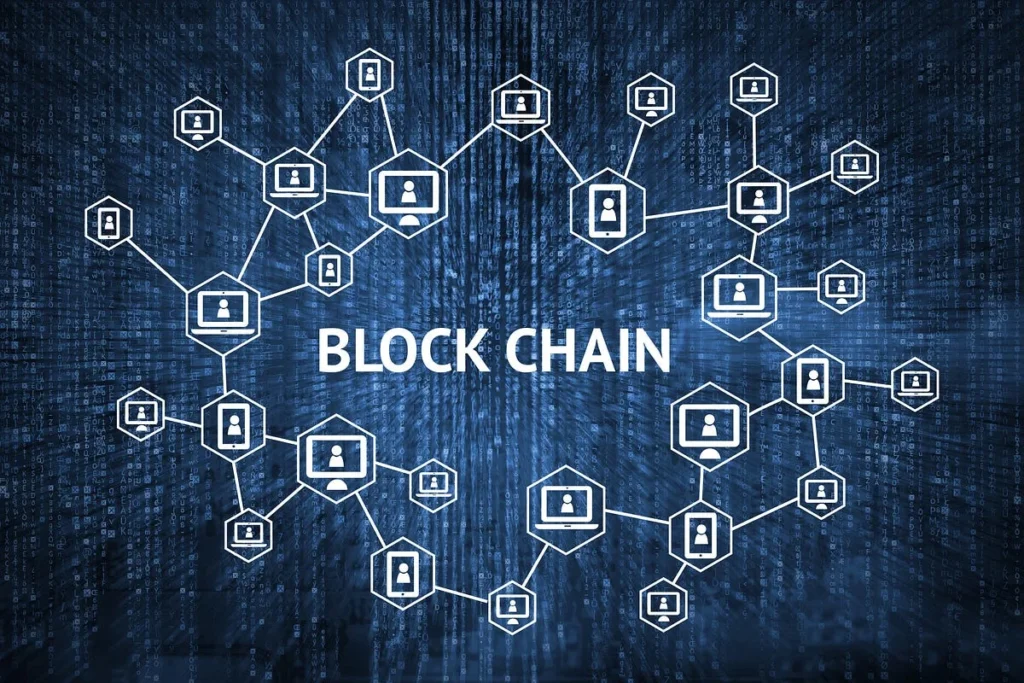
Blockchain is a distributed ledger technology that records transactions across multiple computers in a way that makes it nearly impossible to alter previous records without detection. Each block in the chain contains a cryptographic hash of the previous block, creating an unbreakable chain of records. This decentralized architecture means that no single entity controls the entire database, and every participant in the network maintains a copy of the ledger, ensuring transparency and security.
The fundamental characteristics that make blockchain particularly valuable for supply chain management include immutability, transparency, and decentralization. Immutability ensures that once the blockchain records data, no one can change it retroactively without leaving evidence of the alteration. Transparency allows all authorized stakeholders to view the same information simultaneously, creating a shared source of truth. Decentralization removes the need for a central authority, enabling peer-to-peer verification and reducing opportunities for corruption or fraudulent record-keeping.
How Blockchain Creates Permanent Records
When someone adds a transaction or data entry to a blockchain, the network cryptographically verifies it before permanently recording it. This process allows users to verify all information and trace it back to its original source. In the context of ethical supply chains, companies can document and verify every step of a product’s journey—from raw material extraction through manufacturing, distribution, and final sale. Companies can record workers’ names, locations, working hours, and wage payments on an immutable ledger, creating an auditable trail that prevents suppliers from falsifying employment records.
The Child Labour Crisis in Global Supply Chains
Before examining how blockchain technology can address child labour, it is essential to understand the scope and severity of the problem. Child labour in supply chains is particularly prevalent in developing nations where regulatory enforcement remains weak and economic desperation makes families vulnerable to exploitation. Industries most affected include cocoa production in West Africa, garment manufacturing in Southeast Asia, agricultural work in Latin America, and mining operations across Africa.
The reasons why child labour persists despite numerous international conventions and corporate policies are complex and multifaceted. Economic poverty drives families to send their children to work rather than school, as the immediate income becomes essential for survival. Corrupt government officials and manufacturers often turn a blind eye to violations in exchange for bribes. Additionally, supply chain opacity makes it easy for exploitation to remain hidden from brands and consumers who genuinely support ethical practices but lack effective verification mechanisms.
The Limitations of Current Prevention Methods
Companies and organizations have traditionally relied on periodic factory audits, certification programs, and corporate social responsibility initiatives to combat child labour. While well-intentioned, these methods have significant weaknesses. Manufacturers can circumvent surprise audits through advance warning networks, and they can temporarily hide child workers or falsify records during inspection periods. Certification bodies often lack the resources to conduct thorough investigations, and the subjective nature of audits allows for inconsistencies and corruption. Furthermore, the geographic distance between brands and suppliers creates information asymmetries that make verification exceptionally challenging.
Supply chain accountability mechanisms have proven insufficient because they operate on a reactive basis, identifying violations only after exploitation has already occurred. The time lag between production and inspection means that by the time inspectors discover a problem, vulnerable children have already endured months or years of harmful work. This reactive approach does not prevent child labour; it merely responds to discovered instances after significant harm has occurred.
Blockchain’s Capacity to Transform Labour Monitoring and Verification
Blockchain technology fundamentally changes the paradigm of supply chain monitoring by enabling real-time, transparent documentation of labour practices. When companies integrate blockchain with Internet of Things (IoT) devices and worker identity systems, the technology can create an automated, continuous record of work activities, compensation, and working conditions. This shift from periodic audits to continuous monitoring represents a quantum leap in accountability.
One of the most powerful applications involves creating digital identities for workers on the blockchain. Organizations could create a verified profile for each worker that documents their age, identity verification, educational status, and work history. When a manufacturer begins employing someone, the manufacturer records this information on the immutable ledger, making it difficult for suppliers to fraudulently claim that only adult workers are present in their facility. Independent verification organizations can cross-reference worker profiles to ensure that no individual works simultaneously at multiple locations, preventing the shell company tactics that child labour operations frequently employ.
Smart Contracts and Automated Compliance
Smart contracts are self-executing agreements that developers program into the blockchain and that automatically trigger actions when predetermined conditions occur. In the context of preventing child labour, smart contracts can enforce labour compliance standards by automatically withholding payments or triggering alerts when suspicious patterns emerge. For example, developers can program a smart contract to flag any facility that attempts to record workers under the legal working age or shows working hours that exceed limits set by international labour standards.
These automated systems create instant consequences for violations, making them far more effective than the delayed responses of traditional compliance audits. If a manufacturer attempts to input false worker age data, the smart contract can immediately notify brand representatives and regulatory authorities. If workers exceed legal working-hour limits, the system can automatically trigger compensation adjustments or payment holds, creating direct financial incentives for compliance. This approach transforms ethical sourcing verification from a reactive investigative process into a proactive prevention system.
Implementing Blockchain Solutions Across Supply Chain Networks
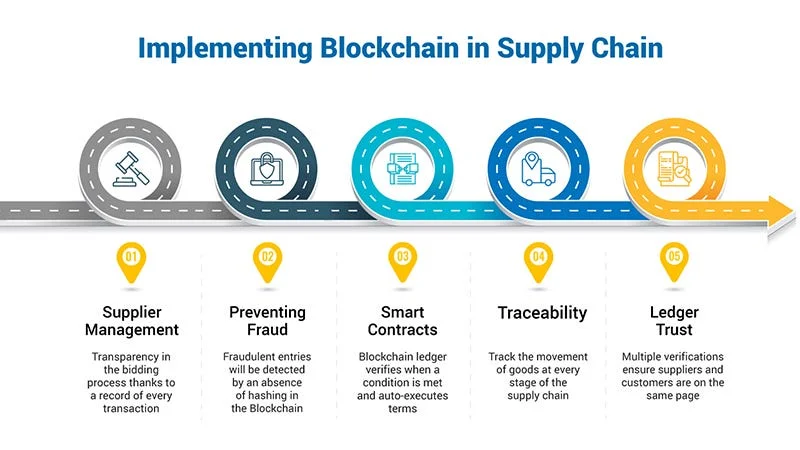
Successfully deploying blockchain technology to prevent child labour requires coordinated implementation across multiple stakeholders in the supply chain ecosystem. Manufacturers, suppliers, logistics companies, regulatory agencies, NGOs, and consumer-facing brands must all work within a shared blockchain network or an ecosystem of compatible systems.
One practical implementation approach involves creating industry-specific consortiums that establish standardized blockchain protocols and compliance requirements. The textile industry, for instance, could establish a blockchain network where all manufacturers, suppliers, and component producers maintain digital records of their workforce. When a brand purchases products from a supplier, the supplier provides both the physical goods and a complete blockchain record documenting every worker involved in production, their compensation, working hours, and verified age.
The Role of Third-Party Verification and Auditors
Rather than eliminating human auditors, blockchain creates a more efficient role for third-party verification organizations. Instead of conducting comprehensive facility inspections, auditors can focus on validating the accuracy of data that companies enter into the blockchain system. This shift allows auditors to conduct more targeted field investigations by spot-checking whether self-reported data matches actual conditions, rather than attempting to verify entire supply chains through periodic visits.
Supply chain transparency initiatives that use blockchain can help auditors detect inconsistencies between reported data and reality. For example, if a facility claims to employ only 50 workers based on blockchain records, but an auditor observes 200 people working, the auditor can immediately identify the discrepancy and investigate it. This creates a system where blockchain-recorded data serves as a baseline for verification rather than an incomplete substitute for oversight.
Consumer Empowerment Through Blockchain Transparency
Blockchain-enabled supply chain transparency extends benefits beyond manufacturers and auditors to consumers themselves. By scanning a QR code or product identifier, consumers can instantly access the complete blockchain history of any item they purchase. This information could include the names of workers who produced the item, their verified working conditions, wages paid, and certifications that confirm compliance with child labour prevention standards.
This consumer visibility creates powerful market incentives for ethical practices. Brands that can demonstrate verifiable, transparent supply chains can attract conscious consumers who are willing to pay premium prices for guaranteed ethical products. Conversely, companies whose blockchain records reveal concerning patterns can face immediate reputational damage and consumer boycotts. This market mechanism creates continuous pressure for ethical supply chain management without requiring government intervention or regulation.
Blockchain also enables innovative traceability features that reassure consumers about product authenticity. Consumers can detect counterfeit products because these products often lack valid blockchain records. Such products frequently come from unregulated operations that are more likely to employ child labour. Consumers can therefore verify that their purchases come from legitimate, documented supply chains rather than black-market sources.
Real-World Examples and Emerging Blockchain Initiatives
Several organizations have begun implementing blockchain solutions to combat labour exploitation and verify ethical product sourcing. The Provenance platform uses blockchain to track supply chains in textiles, agriculture, and seafood, enabling consumers to verify the origins and ethical standards of products. Through Provenance’s system, brands can demonstrate to consumers that their supply chains comply with labour standards and avoid child labour.
The Everledger platform focuses specifically on precious stones and metals, creating immutable records of product origins to prevent conflict minerals and unethical extraction practices. Similarly, the VeChain blockchain network has partnered with luxury brands to ensure that products do not enter the market as counterfeits and come from verified ethical sources. These examples demonstrate that blockchain supply chain solutions are not theoretical concepts but practical technologies that organizations already deploy in real commercial contexts.
IBM’s blockchain platform has supported various supply chain applications, including food safety traceability and responsible sourcing verification. These initiatives show that enterprise-grade blockchain solutions exist and that major corporations increasingly adopt them to demonstrate supply chain accountability to consumers and regulatory bodies.
Challenges and Limitations in Blockchain Implementation
Despite its promising potential, blockchain technology faces significant challenges in becoming a comprehensive solution to child labour prevention. One major obstacle involves widespread network adoption—blockchain’s value depends on participation from sufficient stakeholders to create meaningful transparency. If major suppliers or manufacturers refuse to participate or deliberately enter fraudulent data, the system’s effectiveness becomes compromised.
Data integrity challenges represent another substantial concern. Blockchain prevents users from altering data after they enter it, but the technology cannot prevent users from entering false data initially. A manufacturer determined to conceal child labour could enter fabricated worker information into the blockchain, creating false records that appear legitimate. Addressing this problem requires organizations to establish robust verification procedures and conduct regular audits to confirm that blockchain-recorded data matches reality. These requirements reintroduce some of the labour-intensive processes that blockchain aims to reduce.
Infrastructure and Technical Barriers
In developing nations where child labour is most prevalent, infrastructure limitations present practical obstacles to blockchain implementation. Many remote production facilities lack reliable internet connectivity required to consistently update blockchain records. Illiteracy and technical unfamiliarity among workers and lower-level supervisors create challenges in accurately recording information. Additionally, the technological sophistication required to operate blockchain systems may exceed the capabilities of small suppliers or community-based manufacturers.
Cost represents another barrier, as establishing blockchain systems requires significant initial investment in technology, training, and integration with existing supply chain management systems. Smaller manufacturers may lack resources to bear these costs, potentially incentivizing them to exit formal supply chains and operate informally, where exploitation becomes even harder to detect.
The Integration of Blockchain With Complementary Technologies
For blockchain to maximize its impact on child labour prevention, it should be integrated with complementary technologies that enhance verification and monitoring capabilities. Artificial intelligence and machine learning can analyze blockchain data patterns to identify suspicious anomalies suggesting fraudulent record-keeping. Internet of Things sensors can automatically record working hours, environmental conditions, and safety metrics without relying on manual data entry, reducing opportunities for falsification. Geolocation technology can verify that workers are actually present at recorded facilities. Combining these technologies with blockchain creates a comprehensive system where multiple verification layers make fraud increasingly difficult and risky.
Supply chain innovation through technological integration represents the future of effective child labour prevention. Rather than relying on blockchain alone, sophisticated monitoring systems will leverage blockchain’s immutability as the foundation upon which other verification technologies operate.
Regulatory Frameworks and Policy Support for Blockchain Solutions
The effectiveness of blockchain in preventing child labour depends significantly on supportive regulatory frameworks and government policies. Policymakers must establish standards for data entry into blockchain systems, requirements for regular independent verification, and consequences for discovered violations. International regulatory harmonization is essential, as supply chains operate across borders and inconsistent regulations create loopholes.
Governments should consider mandating blockchain-based supply chain tracking for high-risk industries identified as vulnerable to child labour exploitation. Corporate transparency laws can require companies to disclose blockchain records of their supply chains, creating accountability to regulators and consumers. Trade agreements could incorporate clauses requiring partners to maintain verified blockchain records documenting labour practices compliance.
Policy support should also address the infrastructure gaps preventing developing-nation suppliers from participating effectively in blockchain systems. International development programs could fund technology infrastructure and training initiatives in nations where child labour is most prevalent, making ethical supply chain participation accessible to all producers regardless of size or technical sophistication.
The Future of Blockchain in Child Labour Prevention

As blockchain technology matures and adoption expands, its capacity to prevent child labour will grow substantially. Next-generation blockchain systems will incorporate greater privacy protections for vulnerable workers while maintaining transparency for verification purposes. Interoperable blockchain networks will eliminate the current fragmentation where different industries and brands use incompatible systems.
The trajectory of blockchain technology suggests that within the next decade, verified blockchain records could become the standard documentation method for labour practices across global supply chains. Brands that cannot provide blockchain-verified evidence of ethical sourcing may lose market access or face regulatory penalties. This shift creates powerful incentives for universal adoption and genuine compliance rather than superficial corporate responsibility gestures.
Technology-enabled supply chain ethics represents a fundamental reimagining of how global commerce can be structured to protect vulnerable populations. Rather than relying on periodic inspections and corporate goodwill, blockchain creates systems where exploitation becomes economically irrational and technically difficult to conceal. This represents genuine progress in the ongoing struggle to protect children from labour exploitation.
Conclusion
Blockchain technology offers unprecedented potential to prevent child labour in global supply chains by enabling transparent, immutable documentation of worker information, working conditions, and compliance with labour standards. The combination of decentralized ledgers, smart contracts, and integrated verification technologies creates comprehensive monitoring systems far more effective than traditional periodic audits and manual oversight.
While challenges remain—including infrastructure limitations in developing nations, the risk of fraudulent data entry, and the necessity for widespread stakeholder adoption—the emerging real-world implementations demonstrate that blockchain-based supply chain solutions are not merely theoretical but practical tools available today. As technology continues to advance and supportive policies emerge, blockchain will increasingly become the standard mechanism through which global commerce documents and verifies ethical labour practices.
The fight against child labour requires multifaceted approaches combining technology, policy, enforcement, and consumer awareness. By embracing blockchain technology alongside complementary verification measures and supportive regulatory frameworks, global supply chains can finally achieve the ethical standards that consumers demand and vulnerable workers deserve.
Frequently Asked Questions
Q. How does blockchain actually prevent child labour, or does it just document existing practices?
Blockchain primarily prevents child labour through multiple mechanisms beyond simple documentation. When combined with digital worker identification systems and smart contracts.
Q. Can manufacturers simply input false information into blockchain systems to hide child labour?
Biometric systems, IoT sensors, and geolocation technology can automatically record information without relying on manual entry, reducing opportunities for fraud.
Q. Are blockchain supply chain solutions accessible to small manufacturers in developing nations?
Current blockchain implementations face accessibility challenges in developing nations, particularly for small suppliers lacking technological infrastructure and capital.
Q. Which industries and countries would benefit most from blockchain supply chain tracking?
Industries with complex global supply chains and high child labour risks would benefit most immediately, including cocoa and coffee production, garment and textile manufacturing, agricultural operations, and mining enterprises.
Q. What role should governments play in promoting blockchain adoption for child labour prevention?
Governments should establish regulatory requirements mandating blockchain-based supply chain documentation for high-risk industries, creating mandatory compliance frameworks.