












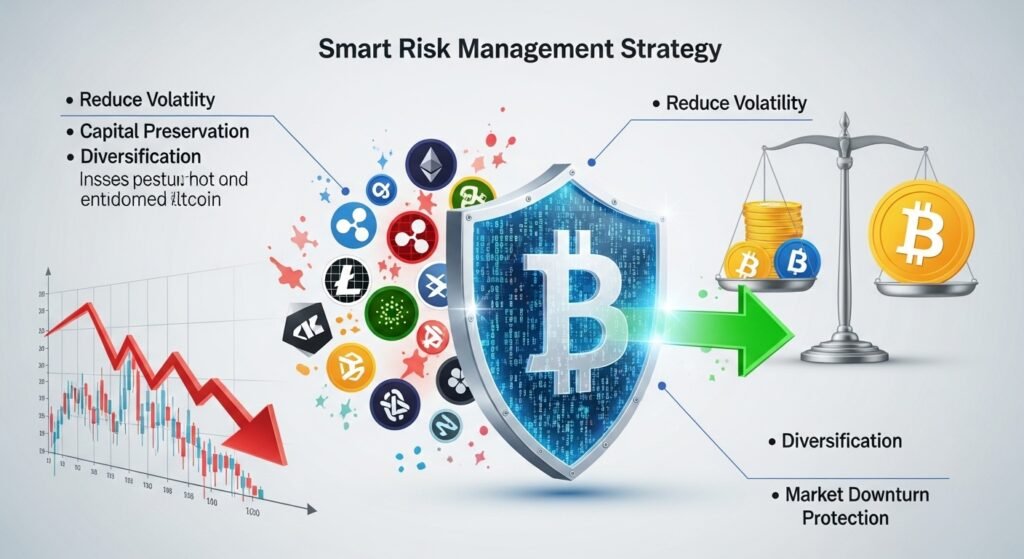
Hedging Altcoins with BTC: Smart Risk Management Strategy

Hedging Altcoins with BTC Smart Risk Management Strategy

COIN4U IN YOUR SOCIAL FEED

The strategy of hedging altcoins with BTC has become essential in today’s volatile crypto market. As altcoins continue to experience extreme price swings, traders and investors are increasingly turning to Bitcoin as a stabilizing force. Unlike speculative altcoins, Bitcoin often acts as a market anchor, making it a powerful tool for risk management.

In 2026, where uncertainty dominates crypto cycles, understanding how to hedge altcoins with BTC is no longer optional—it’s a necessity. Whether you’re holding high-risk tokens or managing a diversified portfolio, using Bitcoin as a hedge can help protect gains, minimize losses, and maintain long-term growth.

This guide explores how we approach hedging altcoins with BTC, the strategies involved, and how you can apply them effectively to manage risk in your crypto investments.

What Does Hedging Altcoins with BTC Mean?

At its core, hedging altcoins with BTC refers to reducing exposure to volatile altcoins by balancing them with Bitcoin holdings. Since Bitcoin is generally more stable than smaller cryptocurrencies, it acts as a buffer during market downturns.

When altcoins drop sharply, Bitcoin often falls less—or sometimes even rises due to capital rotation. This makes it a strategic hedge against downside risk.

Why Bitcoin Is Used as a Hedge

Bitcoin dominates the crypto market in terms of liquidity, adoption, and investor trust. It often behaves differently from altcoins during market cycles. This unique behavior allows traders to use BTC to offset potential losses. The idea behind crypto hedging strategies is simple: reduce risk without exiting the market entirely.

Why Hedging Altcoins with BTC Matters in 2026

The crypto landscape has matured, but volatility remains a constant factor. Altcoins, especially low-cap tokens, can drop 30–70% within days. This makes altcoin risk management more critical than ever.

Market Cycles and Bitcoin Dominance

Bitcoin dominance plays a major role in altcoin performance. When BTC dominance rises, altcoins typically underperform. This is where hedging altcoins with BTC becomes highly effective. During uncertain macroeconomic conditions, institutional investors often move funds into Bitcoin, further strengthening its role as a hedge.

Protection Against Market Crashes

One of the biggest advantages of Bitcoin hedging strategy is protection during crashes. Instead of selling everything into fiat, holding BTC allows you to stay invested while reducing risk exposure.

Hedging Altcoins with BTC: Core Strategies

Portfolio Rebalancing

A key method of hedging altcoins with BTC is portfolio rebalancing. This involves adjusting your allocation between altcoins and Bitcoin based on market conditions. For example, during bullish altcoin rallies, you might shift profits into BTC. When markets turn bearish, a higher BTC allocation helps preserve capital. This dynamic approach ensures that you’re not overexposed to high-risk assets.

Pair Trading with BTC

Another effective technique in hedging altcoins with BTC is trading altcoin pairs against BTC instead of USD or stablecoins.

This allows you to measure performance relative to Bitcoin. If your altcoin underperforms BTC, it may be a signal to rotate back into Bitcoin.

Using BTC as a Store of Value

Many investors treat Bitcoin as “digital gold.” By converting a portion of altcoin profits into BTC, you lock in gains while maintaining exposure to the crypto market.

This approach aligns with long-term crypto portfolio diversification strategies.

When to Hedge Altcoins with BTC

Timing plays a crucial role in successful hedging altcoins with BTC.

Signs You Should Increase BTC Exposure

Market overheating is one of the clearest signals. When altcoins surge rapidly without strong fundamentals, risk levels increase.

Another indicator is rising Bitcoin dominance. This often signals capital rotation away from altcoins.

Macroeconomic uncertainty, such as interest rate changes or global financial instability, is also a strong reason to hedge.

Avoid Over-Hedging

While crypto risk management is important, over-hedging can limit gains. If you allocate too much to BTC during a strong altcoin season, you may miss out on significant profits.

Advantages of Hedging Altcoins with BTC

The biggest benefit of hedging altcoins with BTC is risk reduction. It allows you to stay in the market while minimizing exposure to extreme volatility.

Another advantage is improved emotional control. Crypto markets can be stressful, and having a hedge reduces panic-driven decisions.

Additionally, this strategy supports long-term wealth building by protecting profits during downturns.

Risks and Limitations of BTC Hedging

While effective, hedging altcoins with BTC is not without risks.

Bitcoin itself is still volatile. Although less risky than altcoins, it can still experience significant price swings.

There is also opportunity cost. If altcoins outperform BTC significantly, your hedged portfolio may underperform.

Understanding these trade-offs is essential for effective portfolio risk management.

Advanced Techniques for Hedging Altcoins with BTC

Dynamic Allocation Models

Professional traders often use dynamic models to adjust BTC exposure based on market indicators. These include moving averages, market sentiment, and volatility metrics. This approach enhances the effectiveness of hedging altcoins with BTC by making it data-driven.

Combining BTC with Stablecoins

Some investors combine BTC hedging with stablecoin strategies. This creates a layered approach to risk management. While BTC protects against altcoin volatility, stablecoins provide full capital preservation.

Real-World Example of Hedging Strategy

Imagine holding a portfolio heavily weighted in altcoins during a market rally. As prices rise, you gradually convert a portion of profits into Bitcoin. When the market corrects, your BTC holdings retain more value compared to altcoins. This reduces overall portfolio losses. This practical example highlights how hedging altcoins with BTC works in real scenarios.

Common Mistakes to Avoid

One of the biggest mistakes is reacting emotionally instead of strategically. Panic selling altcoins into BTC during a crash often leads to poor results. Another mistake is ignoring market signals. Successful crypto hedging strategies rely on data and trends, not guesswork. Consistency is more important than timing the market perfectly.

Tools and Indicators for Better Hedging

To improve your Bitcoin hedging strategy, you can use several tools and indicators. Bitcoin dominance charts are essential for understanding market trends. Volume analysis helps identify capital flows between BTC and altcoins. On-chain metrics provide deeper insights into market behavior, helping you make informed decisions.

Future of Hedging Altcoins with BTC

As the crypto market evolves, hedging altcoins with BTC will likely become more sophisticated. Institutional adoption is increasing, bringing advanced risk management techniques into the market. AI-driven analytics and automated trading systems are also shaping the future of crypto portfolio management.  Investors who adapt to these changes will have a significant advantage.

Conclusion

In a market defined by volatility, hedging altcoins with BTC stands out as one of the most effective strategies for managing risk. By balancing high-risk altcoins with the relative stability of Bitcoin, investors can protect their portfolios while staying positioned for growth.

The key to success lies in timing, discipline, and a clear understanding of market cycles. Whether you’re a beginner or an experienced trader, integrating hedging altcoins with BTC into your strategy can significantly improve your long-term results.

Start applying hedging altcoins with BTC today to safeguard your investments and build a more resilient crypto portfolio.

See more;Crypto consolidation holds as neutral sentiment steady inflows

Explore more articles like this

Subscribe to the Finance Redefined newsletter

A weekly toolkit that breaks down the latest DeFi developments, offers sharp analysis, and uncovers new financial opportunities to help you make smart decisions with confidence. Delivered every Friday

By subscribing, you agree to our Terms of Services and Privacy Policy

READ MORE

Blockchain Investment Funds for Beginners Start Today

blockchain investment funds for beginners

COIN4U IN YOUR SOCIAL FEED

The world of blockchain technology presents unprecedented opportunities for investors, and blockchain investment funds for beginners offer an accessible pathway into this revolutionary space. As digital assets continue to reshape traditional finance, understanding how to navigate blockchain investment funds has become crucial for new investors seeking exposure to this high-growth sector.

Whether you’re a complete novice to cryptocurrency or someone looking to diversify your investment portfolio, blockchain investment funds provide professional management and reduced complexity compared to direct token investments. This comprehensive guide will walk you through everything you need to know about getting started with blockchain investment funds, from understanding the fundamentals to selecting the right fund for your financial goals.

In this detailed exploration, we’ll cover the essential knowledge every beginner needs, including fund types, investment strategies, risk management, and practical steps to begin your blockchain investment journey safely and effectively.

Understanding Blockchain Investment Funds: A Beginner’s Foundation

Blockchain investment funds operate similarly to traditional mutual funds or ETFs, but focus specifically on blockchain-related assets and companies. These funds pool money from multiple investors to create diversified portfolios managed by professional fund managers with expertise in the blockchain ecosystem.

For beginners, these funds offer several distinct advantages over individual cryptocurrency investments. Professional management eliminates the need for extensive technical knowledge about blockchain protocols, while diversification across multiple assets reduces the risk associated with investing in single cryptocurrencies.

What Makes Blockchain Funds Different

Traditional investment funds typically focus on stocks, bonds, or commodities. Blockchain investment funds, however, target a unique asset class that includes cryptocurrencies, blockchain technology companies, decentralized finance (DeFi) protocols, and non-fungible tokens (NFTs).

The underlying technology driving these investments represents a fundamental shift in how value is stored, transferred, and verified globally. This technological revolution creates both significant opportunities and unique risks that traditional asset classes don’t typically exhibit.

The Growing Market Opportunity

The global blockchain market continues expanding rapidly, with institutional adoption accelerating across various sectors. Major corporations are implementing blockchain solutions for supply chain management, digital identity verification, and financial services, creating substantial investment opportunities within the ecosystem.

Types of Blockchain Investment Funds for Beginners

Types of Blockchain Investment Funds for Beginners

Understanding different fund structures helps beginners choose investments aligned with their risk tolerance and investment objectives. Each fund type offers distinct characteristics and serves different investor needs.

Public Blockchain ETFs

Exchange-traded funds (ETFs) represent the most accessible option for blockchain investment funds for beginners. These funds trade on major stock exchanges and can be purchased through traditional brokerage accounts, making them familiar to investors accustomed to stock market investing.

Popular blockchain ETFs typically hold shares of companies involved in blockchain development, cryptocurrency mining, or blockchain infrastructure. Examples include technology companies developing blockchain solutions, financial services firms embracing digital assets, and hardware manufacturers producing mining equipment.

Private Blockchain Hedge Funds

Private hedge funds offer more sophisticated investment strategies but require higher minimum investments and longer commitment periods. These funds often employ advanced trading strategies, including arbitrage, derivatives trading, and direct cryptocurrency holdings.

While potentially more profitable, private funds typically require accredited investor status and involve higher fees and less liquidity than public options. Beginners should carefully consider whether they meet the financial requirements and risk tolerance necessary for private fund investments.

Cryptocurrency Index Funds

Index funds provide broad exposure to the cryptocurrency market by tracking specific blockchain indices. These funds automatically adjust holdings based on market capitalization weightings, offering passive investment exposure without active management decisions.

This approach appeals to beginners who prefer hands-off investing while maintaining exposure to the overall blockchain market’s growth potential. Index funds typically offer lower fees than actively managed alternatives while providing instant diversification across multiple digital assets.

Venture Capital Blockchain Funds

Venture capital funds focus on early-stage blockchain startups and emerging technologies. While offering significant growth potential, these investments typically require longer time horizons and higher risk tolerance than other fund types.

Beginners interested in venture capital blockchain funds should understand that these investments often involve multi-year lock-up periods and may experience significant volatility before achieving returns.

How to Evaluate Blockchain Investment Funds

Proper fund evaluation requires analyzing multiple factors beyond simple performance metrics. Beginners should develop systematic approaches to fund analysis that consider both quantitative and qualitative factors.

Fund Management Team Experience

Experienced management teams with proven track records in both traditional finance and blockchain technology typically demonstrate better risk management and investment selection capabilities. Research the fund managers’ backgrounds, previous performance, and their understanding of blockchain technology fundamentals.

Look for teams that combine traditional investment expertise with deep blockchain knowledge. The best managers understand both the technological aspects of blockchain protocols and the financial implications of investing in this emerging asset class.

Investment Strategy and Philosophy

Different funds employ varying investment strategies, from passive index tracking to active trading and venture capital approaches. Understanding each fund’s investment philosophy helps beginners select options aligned with their personal investment goals and risk preferences.

Some funds focus on established cryptocurrencies like Bitcoin and Ethereum, while others target emerging altcoins or blockchain infrastructure companies. Consider whether the fund’s strategy matches your desired exposure level to different blockchain sectors.

Fee Structure Analysis

Blockchain investment funds typically charge management fees, performance fees, and potentially additional expenses. Understanding fee structures helps beginners calculate the total cost of investment and compare different fund options effectively.

Management fees typically range from 0.5% to 2% annually, while performance fees may reach 20% of profits above certain benchmarks. Compare these costs against potential returns and consider how fees impact long-term investment outcomes.

Liquidity and Redemption Terms

Liquidity varies significantly between different blockchain fund types. Public ETFs offer daily liquidity similar to stocks, while private funds may require months or years before allowing withdrawals.

Beginners should carefully consider their liquidity needs and select funds with redemption terms that align with their financial planning requirements. Emergency fund considerations become particularly important when investing in less liquid blockchain funds.

Top Blockchain Investment Funds for Beginners in 2025

Several established funds have demonstrated strong performance and beginner-friendly features. While past performance doesn’t guarantee future results, these funds provide good starting points for new blockchain investors.

Leading Public Blockchain ETFs

The Amplify Transformational Data Sharing ETF (BLOK) focuses on companies developing blockchain technology solutions. This fund provides exposure to both pure-play blockchain companies and established corporations adopting blockchain technology.

ProShares Bitcoin Strategy ETF (BITO) offers Bitcoin exposure through futures contracts rather than direct cryptocurrency holdings. This structure provides Bitcoin exposure within traditional brokerage accounts while maintaining regulatory compliance.

Established Private Funds

Grayscale Bitcoin Trust provides institutional-quality Bitcoin exposure for accredited investors. While trading at premiums or discounts to underlying Bitcoin values, this fund offers professionally managed Bitcoin exposure with traditional investment fund structures.

Pantera Capital operates several blockchain-focused funds targeting different risk profiles and investment strategies. Their funds range from established cryptocurrency holdings to early-stage venture investments in blockchain startups.

Emerging Opportunities

Several newer funds focus on specific blockchain sectors like decentralized finance (DeFi) or non-fungible tokens (NFTs). While potentially offering higher growth opportunities, these specialized funds typically involve higher risks and should represent smaller portfolio allocations for beginners.

Research emerging funds carefully, focusing on management team experience, investment strategy clarity, and fee structures before making investment decisions.

Risk Management for Blockchain Investment Fund Beginners

Effective risk management forms the foundation of successful blockchain investing. Beginners must understand and prepare for the unique risks associated with blockchain investments while implementing strategies to protect their capital.

Volatility Management Strategies

Blockchain assets exhibit significantly higher volatility than traditional investments. Price swings of 20-50% within single days occur regularly, requiring strong emotional discipline and appropriate position sizing.

Dollar-cost averaging represents an effective strategy for managing volatility. By investing fixed amounts at regular intervals, beginners can reduce the impact of short-term price fluctuations while building positions over time.

Portfolio Diversification Approaches

Even within blockchain investment funds, diversification remains crucial. Consider spreading investments across different fund types, investment strategies, and blockchain sectors to reduce concentration risk.

Most financial advisors recommend limiting blockchain investments to 5-10% of total portfolio value for beginners. This allocation allows participation in blockchain growth while maintaining overall portfolio stability through traditional asset diversification.

Regulatory Risk Considerations

Blockchain regulation continues evolving globally, with new rules potentially impacting fund operations and investment values. Stay informed about regulatory developments in major markets and consider how regulatory changes might affect your investments.

Some funds provide better regulatory compliance and transparency than others. Prioritize funds with strong compliance practices and clear regulatory standing, especially when starting your blockchain investment journey.

Step-by-Step Guide to Investing in Blockchain Funds

Beginning your blockchain investment journey requires systematic planning and execution. This step-by-step approach helps beginners navigate the investment process while avoiding common pitfalls.

Step 1: Assess Your Financial Situation

Before investing in blockchain investment funds for beginners, conduct a thorough financial assessment. Ensure you have adequate emergency funds, manageable debt levels, and clear investment objectives.

Determine how much capital you can afford to invest without impacting your essential financial needs. Blockchain investments should represent risk capital that you can afford to lose without compromising your financial security.

Step 2: Choose Your Investment Platform

Select a reputable brokerage or investment platform that offers access to your preferred blockchain funds. Consider factors like account minimums, trading fees, research resources, and customer support quality.

Major brokerages like Fidelity, Charles Schwab, and E*TRADE offer access to public blockchain ETFs. For private funds, you may need specialized platforms or direct fund access through fund companies.

Step 3: Complete Due Diligence

Research your selected funds thoroughly before investing. Review fund prospectuses, analyze historical performance, understand fee structures, and evaluate management team credentials.

Compare multiple fund options to ensure you’re selecting investments aligned with your risk tolerance and investment objectives. Don’t rush investment decisions based on short-term performance or market hype.

Step 4: Start with Small Investments

Begin with modest investment amounts while learning about blockchain fund investing. This approach allows you to gain experience and understand fund behavior without risking significant capital.

Consider starting with 1-2% of your portfolio in blockchain funds, gradually increasing allocation as you gain experience and comfort with the investment class.

Step 5: Monitor and Adjust

Regularly review your blockchain fund investments, but avoid making frequent changes based on short-term market movements. Establish a review schedule (quarterly or semi-annually) to assess performance and make strategic adjustments.

Stay informed about blockchain industry developments, regulatory changes, and fund-specific news that might impact your investments.

Common Mistakes to Avoid When Investing in Blockchain Funds

Learning from common beginner mistakes can help you navigate blockchain fund investing more successfully. Understanding these pitfalls early prevents costly errors and builds better investment habits.

Investing More Than You Can Afford to Lose

The most critical mistake involves investing money needed for essential expenses or short-term goals. Blockchain investments can experience significant losses, and you should never invest money you cannot afford to lose completely.

Establish clear boundaries between investment capital and essential funds before beginning your blockchain investment journey.

Chasing Performance and FOMO

Fear of missing out (FOMO) drives many beginners to make impulsive investment decisions based on recent performance or media coverage. This emotional approach often results in buying high and selling low.

Develop systematic investment approaches based on research and analysis rather than emotions or short-term market movements.

Neglecting Diversification

Concentrating all blockchain investments in a single fund or strategy increases unnecessary risk. Even within the blockchain space, diversification across different funds and strategies improves risk-adjusted returns.

Ignoring Fees and Expenses

High fees can significantly impact long-term investment returns, especially in volatile markets. Always consider total cost of ownership when comparing different blockchain fund options.

Calculate how fees impact your expected returns over different time periods to make informed investment decisions.

Tax Implications of Blockchain Fund Investments

Tax Implications of Blockchain Fund Investments

Understanding tax implications helps beginners plan effectively and avoid unexpected tax obligations. Blockchain fund taxation can differ significantly from traditional investment taxation.

Capital Gains Treatment

Most blockchain fund investments receive capital gains treatment similar to traditional mutual funds or ETFs. Gains realized from fund sales are subject to capital gains taxes based on holding periods and total gains realized.

Long-term capital gains rates (for investments held longer than one year) typically offer tax advantages compared to short-term capital gains rates.

Distribution Taxation

Some blockchain funds distribute income or capital gains to investors, creating taxable events even when you don’t sell fund shares. Understand each fund’s distribution policy and tax implications before investing.

Consider holding blockchain funds in tax-advantaged accounts like IRAs or 401(k)s when possible to defer or eliminate tax obligations on fund distributions and gains.

Record Keeping Requirements

Maintain detailed records of all blockchain fund transactions, including purchase dates, amounts, and costs. Accurate record keeping simplifies tax preparation and ensures compliance with tax reporting requirements.

Consider using investment tracking software or working with tax professionals familiar with cryptocurrency and blockchain fund taxation.

The Future of Blockchain Investment Funds

Understanding industry trends helps beginners make informed long-term investment decisions. The blockchain fund landscape continues evolving rapidly, with new opportunities and challenges emerging regularly.

Institutional Adoption Trends

Major institutional investors are increasingly allocating capital to blockchain investments, driving fund growth and legitimizing the asset class. This trend suggests continued fund development and potentially reduced volatility over time.

Corporate adoption of blockchain technology creates fundamental value drivers that support long-term investment thesis for blockchain-focused funds.

Regulatory Development Impact

Clearer regulatory frameworks in major markets will likely improve fund operations and reduce regulatory risks. Ongoing regulatory development provides both opportunities and challenges for blockchain fund investors.

Technology Evolution Effects

Advances in blockchain technology, including improved scalability, energy efficiency, and user experience, create new investment opportunities within blockchain funds.

Stay informed about technological developments that might impact fund holdings and investment strategies.

Conclusion

Blockchain investment funds for beginners provide an excellent entry point into the revolutionary world of blockchain technology and digital assets. By understanding the different fund types, evaluation criteria, and risk management strategies outlined in this guide, you can make informed decisions about incorporating blockchain investments into your portfolio.

Remember that successful blockchain investing requires patience, continuous learning, and disciplined risk management. Start small, diversify appropriately, and focus on funds with experienced management teams and clear investment strategies.

READ MORE:Top Cryptocurrency Investment Platforms 2025 Ranked

Explore more articles like this

Subscribe to the Finance Redefined newsletter

A weekly toolkit that breaks down the latest DeFi developments, offers sharp analysis, and uncovers new financial opportunities to help you make smart decisions with confidence. Delivered every Friday

By subscribing, you agree to our Terms of Services and Privacy Policy

READ MORE

ADD PLACEHOLDER