



































The rapid growth of digital education has transformed how learning takes place across the world. Online classrooms, once considered a secondary option, are now a central part of modern education systems. While early forms of online learning often struggled with isolation and disengagement, today’s technology has fundamentally changed that narrative. When used thoughtfully, technology can amplify connections in online classrooms, making learning environments more interactive, inclusive, and human-centered.
Connection is the foundation of effective education. Students learn best when they feel seen, heard, and supported by both teachers and peers. In physical classrooms, these connections develop naturally through face-to-face interaction. In virtual learning environments, however, connection must be intentionally designed. This is where digital tools, platforms, and innovative teaching methods play a crucial role.
How technology can amplify connections in online classrooms by fostering engagement, collaboration, communication, and emotional presence. It examines the role of digital tools in strengthening relationships, building community, and creating meaningful learning experiences that rival or even exceed traditional classroom interactions.
The Evolution of Online Classrooms and Digital Learning
From Isolated Learning to Connected Experiences
Early online classrooms were often limited to static content, recorded lectures, and text-based discussion boards. These environments made learning flexible but often lacked meaningful interaction. Students frequently reported feelings of isolation, low motivation, and weak relationships with instructors. The absence of real-time communication limited opportunities for spontaneous discussion and emotional connection.
Modern online classrooms are vastly different. Advances in educational technology, real-time communication tools, and interactive platforms have transformed digital learning into a dynamic and collaborative experience. Today, online classrooms are designed to encourage participation, discussion, and shared learning rather than passive consumption.
The Role of Technology in Humanizing Online Education
Technology itself is not inherently connective, but when used intentionally, it becomes a powerful medium for human interaction. Video conferencing, collaborative tools, and personalized learning systems help replicate the social elements of in-person education. These tools allow educators to create virtual spaces where students feel connected to a real learning community. By enabling face-to-face interaction, instant feedback, and shared activities, technology bridges the emotional and social gaps that once defined online learning.
Enhancing Student-Teacher Relationships Through Technology
Real-Time Communication and Presence
One of the most impactful ways technology can amplify connections in online classrooms is through real-time communication. Live video sessions allow students to see facial expressions, hear tone of voice, and experience the immediacy of interaction. This visual and auditory presence helps build trust and rapport between teachers and students.
Teachers who actively engage during live sessions create a sense of availability and care. Simple actions such as addressing students by name, responding to questions in real time, and encouraging dialogue contribute to stronger relationships and increased student confidence.
Personalized Feedback and Support
Digital platforms enable educators to provide timely and personalized feedback, which is essential for connection. Written comments, audio feedback, and short video responses make students feel recognized as individuals rather than anonymous participants. Personalized feedback communicates attention and investment in student growth. Through learning management systems, teachers can track progress, identify challenges, and offer targeted support. This level of personalization is often difficult to achieve in large physical classrooms but becomes more accessible through technology.
Strengthening Peer-to-Peer Interaction in Virtual Learning
Collaborative Tools and Shared Learning Spaces
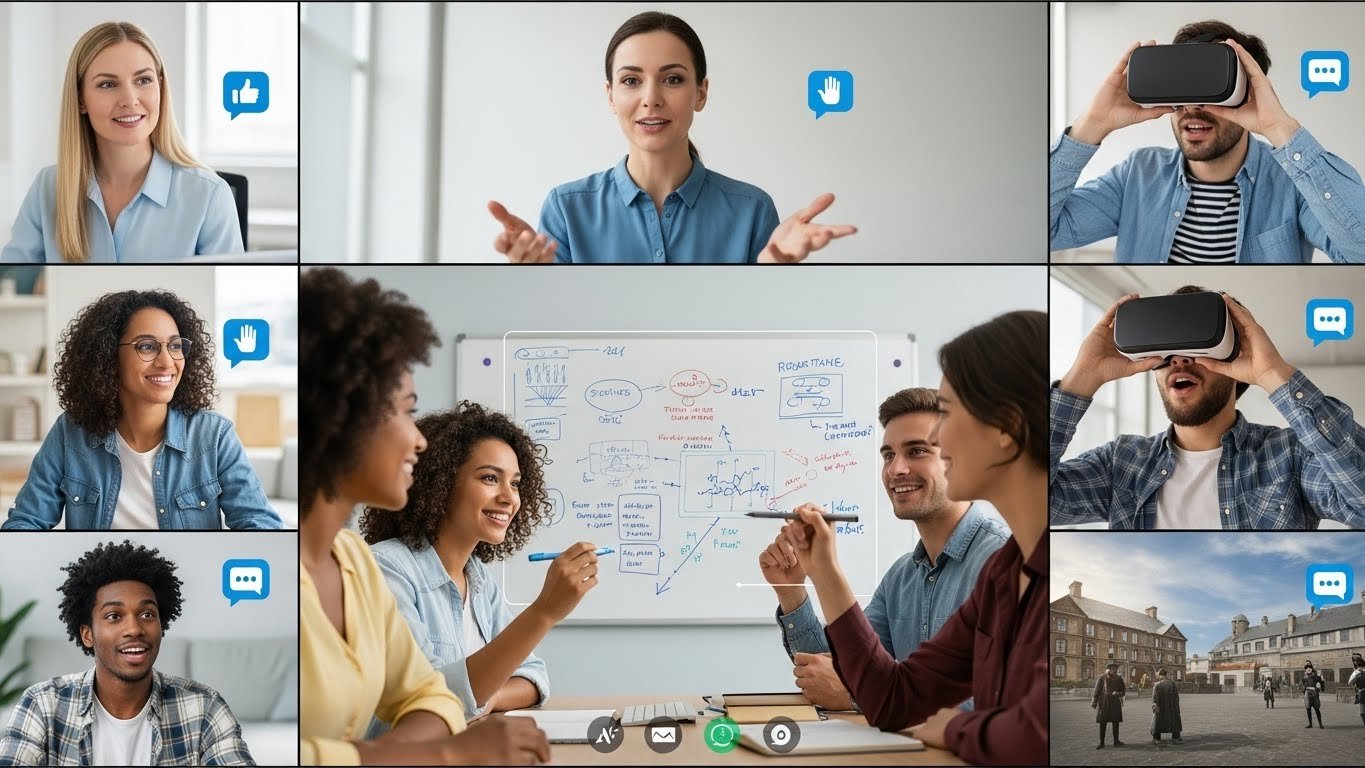
Connection in online classrooms is not limited to student-teacher relationships. Peer interaction plays an equally important role in learning. Technology enables collaboration through shared documents, virtual workspaces, and group projects that encourage teamwork and discussion.
Collaborative tools allow students to co-create knowledge, exchange ideas, and learn from diverse perspectives. These shared experiences foster a sense of belonging and mutual responsibility, which are key components of meaningful learning communities.
Building Community Through Discussion and Dialogue
Online discussion forums, when designed thoughtfully, become spaces for reflection and connection. Students who may be hesitant to speak in live sessions often find their voice in written discussions. This inclusivity helps amplify participation and encourages deeper engagement. Teachers who guide discussions with open-ended questions and thoughtful responses help transform forums into active learning environments rather than static assignments. Over time, these interactions build familiarity and trust among participants.
The Role of Video and Multimedia in Emotional Connection
Visual Presence and Social Cues
Video technology plays a critical role in amplifying connections in online classrooms. Seeing classmates and instructors helps students interpret social cues, emotions, and reactions that are often lost in text-based communication. This visual presence reduces feelings of distance and anonymity. Even short video messages can create a sense of warmth and authenticity. When teachers share brief updates or explanations on video, students often perceive them as more approachable and engaged.
Multimedia Storytelling and Engagement
Beyond video conferencing, multimedia content such as interactive presentations, animations, and digital storytelling enhances engagement. These formats appeal to different learning styles and help convey complex ideas more effectively. By incorporating multimedia learning tools, educators can create immersive experiences that spark curiosity and encourage discussion. Shared engagement with content strengthens collective learning and emotional connection.
Encouraging Active Participation Through Interactive Technology
Gamification and Motivation
Interactive technologies, including gamified learning elements, can significantly boost participation in online classrooms. Features such as quizzes, challenges, and progress tracking motivate students to stay engaged while fostering a sense of achievement. Gamification also encourages friendly competition and collaboration, which strengthens peer connections. When students celebrate successes together, the learning environment becomes more social and supportive.
Real-Time Polls and Interactive Activities
Live polls, breakout rooms, and interactive exercises transform passive sessions into active experiences. These tools invite students to contribute ideas, share opinions, and collaborate in real time. Active participation reinforces a sense of presence and involvement. Students who feel actively engaged are more likely to form connections with both content and community.
Accessibility and Inclusion Through Technology
Expanding Access to Diverse Learners
Technology can amplify connections by making education more accessible to diverse learners. Features such as captions, screen readers, and flexible pacing support students with different needs and learning preferences. When students feel that their needs are accommodated, they are more likely to participate and engage. Inclusive design fosters a sense of belonging that strengthens connections across the classroom.
Cultural and Global Connections
Online classrooms often bring together learners from different cultural and geographic backgrounds. Technology enables cross-cultural interaction that enriches learning experiences and broadens perspectives. Through virtual collaboration, students gain exposure to diverse viewpoints, enhancing empathy and understanding. These global connections add depth and relevance to learning that traditional classrooms may not always provide.
The Importance of Teacher Presence and Digital Pedagogy
Designing for Connection, Not Just Content
Technology alone does not guarantee connection. Educators must intentionally design online classrooms with interaction and relationship-building in mind. This includes structuring activities that encourage dialogue, reflection, and collaboration. Effective digital pedagogy emphasizes presence, responsiveness, and engagement. Teachers who actively participate in discussions and demonstrate enthusiasm set the tone for a connected learning environment.
Balancing Structure and Flexibility
Online classrooms benefit from a balance between structure and flexibility. Clear expectations and routines provide stability, while flexible learning paths allow students to engage at their own pace. This balance supports autonomy while maintaining connection. Students feel empowered without feeling isolated, which enhances motivation and satisfaction.
Emotional Well-Being and Social Connection in Online Learning
Supporting Student Well-Being
Technology can amplify connections by supporting emotional well-being. Virtual check-ins, reflective activities, and open communication channels allow educators to monitor student experiences and provide support. Students who feel emotionally supported are more likely to engage and succeed academically. Connection is not only cognitive but also emotional, and technology plays a vital role in addressing both.
Creating Safe and Supportive Virtual Spaces
Online classrooms must be safe spaces where students feel comfortable expressing ideas and asking questions. Clear communication guidelines and respectful interaction foster trust and openness. When students feel safe, they are more willing to participate and connect with others. Technology enables these environments through moderated discussions and supportive communication tools.
The Future of Connected Online Classrooms
Emerging Technologies and Innovation
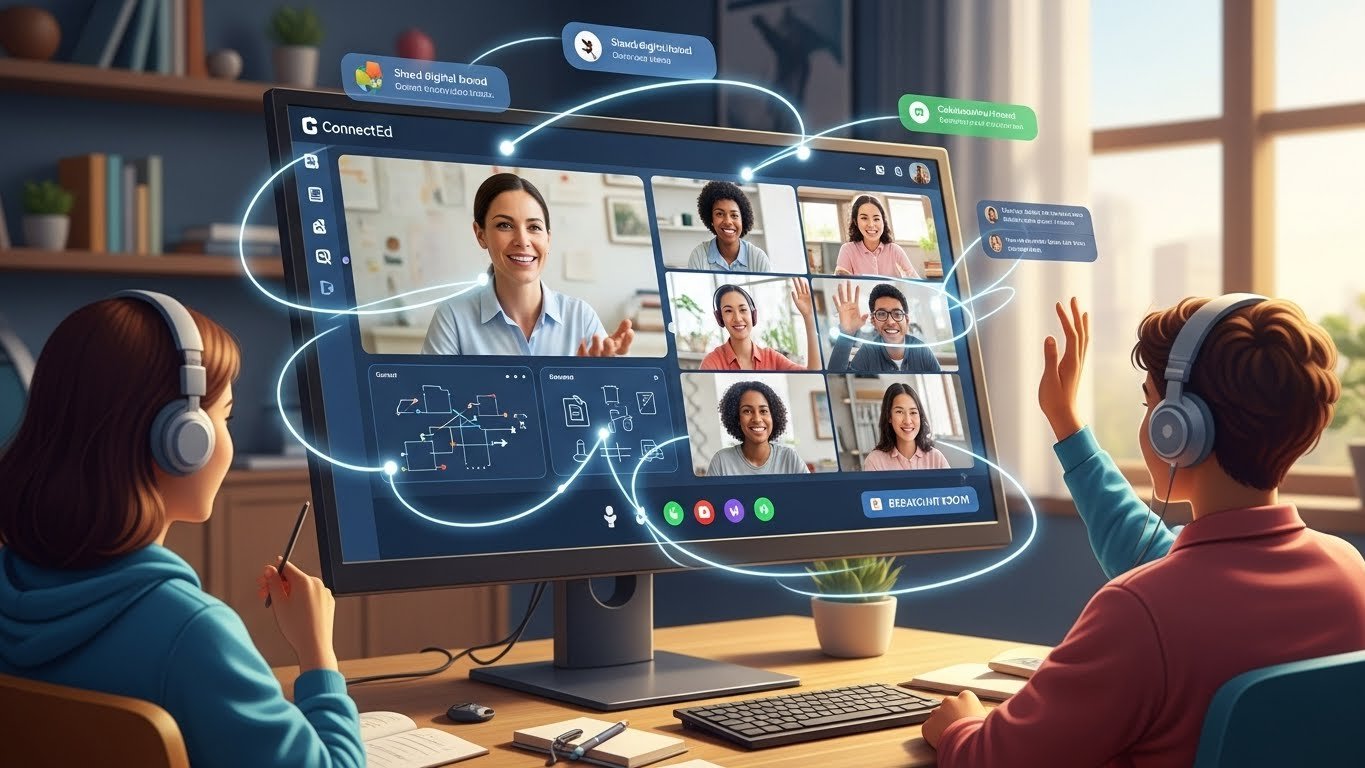
The future of online education will continue to focus on connection. Emerging technologies such as artificial intelligence, virtual reality, and adaptive learning systems offer new ways to personalize and humanize learning. These innovations have the potential to deepen engagement and create even more immersive learning experiences. As technology evolves, the emphasis on meaningful connection will remain central.
Lifelong Learning and Digital Communities
Online classrooms are not limited to formal education. They extend into professional development and lifelong learning. Technology enables ongoing communities where learners continue to connect, share knowledge, and grow together. These digital communities demonstrate how technology can amplify connections beyond traditional boundaries, creating networks of shared learning and support.
Conclusion
Technology has redefined what connection means in education. When thoughtfully implemented, it can amplify connections in online classrooms by fostering engagement, collaboration, and meaningful relationships. From real-time communication and personalized feedback to inclusive design and global collaboration, digital tools offer powerful ways to humanize online learning.
The success of online classrooms depends not on technology alone but on how it is used to support connection. Educators who prioritize presence, interaction, and empathy can create virtual learning environments that are engaging, supportive, and deeply connected. As online education continues to evolve, the ability of technology to bring people together will remain its greatest strength.
FAQs
Q: How does technology help reduce feelings of isolation in online classrooms?
Technology reduces isolation by enabling real-time interaction, visual presence, and continuous communication between students and teachers. Tools such as video conferencing, collaborative platforms, and discussion spaces create opportunities for social engagement that help students feel connected to a learning community rather than studying alone.
Q: Can online classrooms really offer the same level of connection as physical classrooms?
Online classrooms can offer comparable and sometimes stronger connections when designed intentionally. Personalized feedback, inclusive participation, and global collaboration often provide opportunities for deeper engagement that may not always be possible in traditional settings.
Q: What role do teachers play in amplifying connections through technology?
Teachers play a central role by actively engaging with students, designing interactive activities, and maintaining a visible presence. Technology supports connection, but it is the teacher’s approach and responsiveness that truly build relationships.
Q: How does technology support diverse learning needs in online classrooms?
Technology supports diverse needs through accessibility features, flexible pacing, and multiple content formats. These tools ensure that students with different abilities and learning styles can participate fully and feel included in the learning process.
Q: What is the long-term impact of connected online classrooms on learners?
Connected online classrooms promote confidence, collaboration skills, and lifelong learning habits. Students who experience strong connections in virtual learning environments are more likely to remain engaged, motivated, and successful in both academic and professional contexts.