











India Inaugurates First Semiconductor Assembly Facility in Gujarat

Gujarat

COIN4U IN YOUR SOCIAL FEED

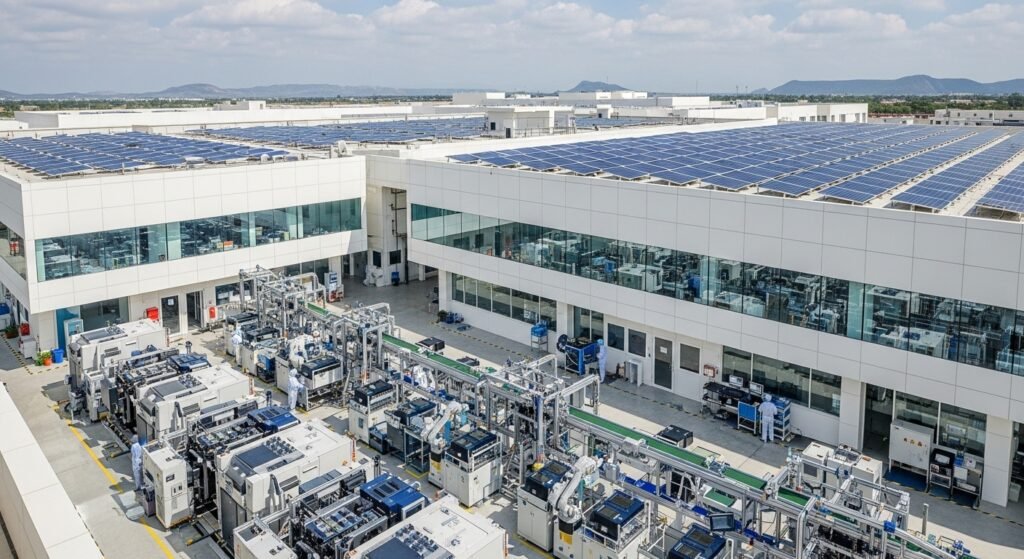
India has taken a historic step in advancing its electronics manufacturing capabilities by inaugurating its first semiconductor assembly and testing facility in Gujarat. The event marks a significant milestone in India’s journey toward becoming a global hub for chip production and electronics manufacturing. As the world increasingly relies on semiconductors for everything from smartphones to electric vehicles, India’s new facility signals the country’s intent to reduce dependence on imports and strengthen its position in the global supply chain.

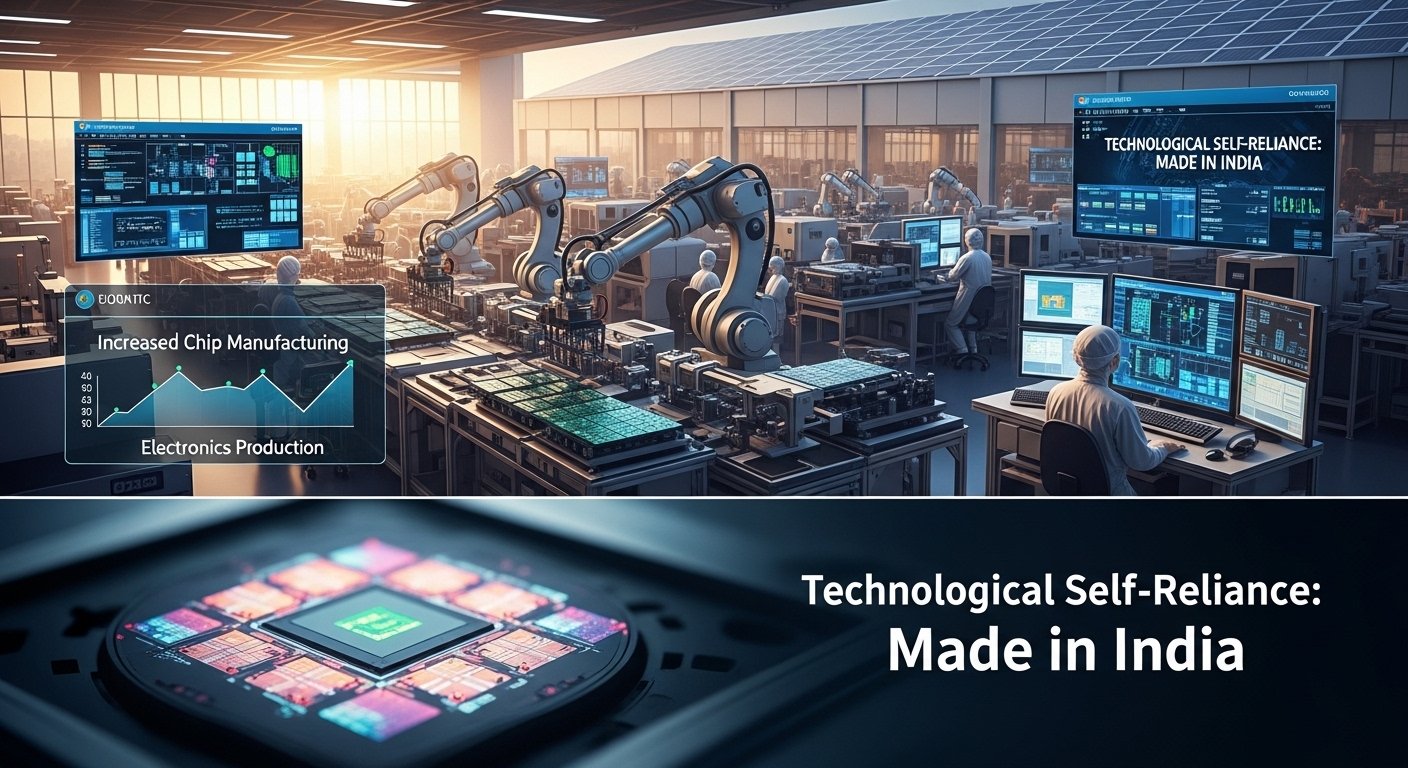
The semiconductor industry, often referred to as the backbone of modern technology, has gained strategic importance in recent years. With growing demand for consumer electronics, telecommunications infrastructure, and automotive applications, countries worldwide are investing heavily in chip manufacturing. India’s move to establish a state-of-the-art assembly and testing facility aligns with its broader vision of technological self-reliance and economic growth.

This article explores the inauguration of India’s first semiconductor assembly facility in Gujarat, the strategic significance for the Indian electronics ecosystem, the potential economic and technological benefits, and the future outlook for India’s semiconductor ambitions.

The Inauguration Event and Key Highlights

The inauguration of the semiconductor facility in Gujarat was attended by government officials, industry leaders, and technology experts. The facility represents a collaboration between Indian manufacturing firms, state government initiatives, and international partners, showcasing India’s commitment to fostering high-tech industries.

The Gujarat facility will focus on semiconductor assembly and testing, which are critical stages in chip production. While wafer fabrication involves the creation of semiconductor wafers, assembly and testing ensure that chips meet quality standards before integration into electronic devices. By establishing a domestic facility for these processes, India addresses a crucial gap in the semiconductor value chain.

The event highlighted the government’s support for the electronics manufacturing sector, with policies aimed at attracting investment, enhancing infrastructure, and promoting skill development. These initiatives are expected to accelerate India’s integration into global semiconductor supply networks.

Strategic Importance of Semiconductor Assembly in India

Semiconductors are essential components in virtually every modern technology, from computers and smartphones to medical devices and renewable energy systems. By launching a domestic assembly and testing facility, India takes a decisive step toward securing a stable supply of critical components.

Reducing Dependence on Imports

India currently imports a significant portion of its semiconductor requirements, making it vulnerable to global supply chain disruptions. By developing domestic capabilities in assembly and testing, India can reduce import dependency, mitigate risks associated with geopolitical tensions, and ensure a consistent supply for its electronics industry.

Boosting Electronics Manufacturing

The Gujarat facility will complement India’s broader electronics manufacturing ambitions. By integrating semiconductor assembly with local device manufacturing, India can enhance value addition within the country, create jobs, and stimulate industrial growth. This development also aligns with initiatives like Make in India and the Production Linked Incentive program for electronics manufacturing.

Enhancing Technological Competitiveness
boosting chip

Domestic semiconductor capabilities position India to participate more actively in global technology innovation. The ability to assemble and test chips locally allows manufacturers to experiment with advanced designs, optimize production, and support emerging technologies such as 5G, artificial intelligence, and electric vehicles.

Economic Implications and Job Creation

The establishment of the semiconductor facility in Gujarat is expected to have significant economic benefits.

Investment and Industrial Growth

The facility attracts both domestic and international investment, boosting industrial activity in the region. Semiconductor assembly requires advanced machinery, high-quality infrastructure, and skilled labor, all of which contribute to industrial modernization and regional development.

Employment Opportunities

Skilled engineers, technicians, and support staff are essential for operating a semiconductor assembly facility. India’s new facility will generate employment opportunities across multiple levels, from specialized technical roles to ancillary support services. Workforce development programs and training initiatives are expected to build a talent pool capable of supporting high-tech manufacturing.

Ancillary Industries and Supply Chain Development

The semiconductor assembly facility will stimulate growth in related sectors, including electronics components, packaging materials, logistics, and quality testing services. This ecosystem effect enhances overall economic value and positions Gujarat as a regional hub for advanced manufacturing.

Technological Advancements and Infrastructure

The Gujarat semiconductor assembly facility incorporates modern technological infrastructure to ensure efficiency, quality, and scalability.

Advanced Assembly and Testing Equipment

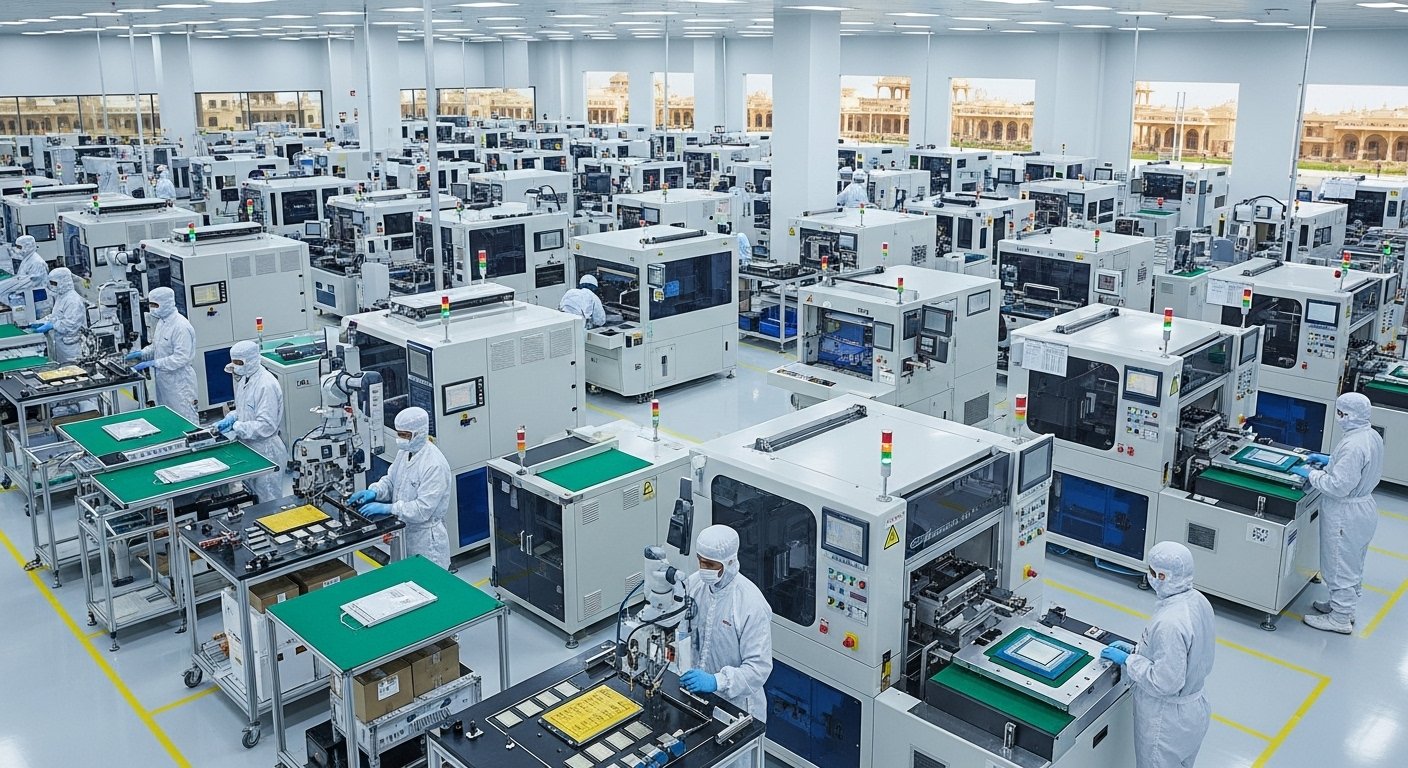
The facility is equipped with cutting-edge machinery for chip assembly, packaging, and testing. Automation and precision engineering minimize errors and enhance throughput, ensuring that chips meet global quality standards.

Research and Development Integration

Integration with R&D initiatives allows manufacturers to innovate and refine semiconductor designs. This alignment ensures that India can not only assemble chips but also participate in the development of advanced semiconductor technologies over time.

Infrastructure and Utilities

Semiconductor facilities require stringent environmental control, reliable power supply, and specialized cleanroom environments. The Gujarat facility incorporates these requirements, supporting sustainable and efficient operations.

Global Context: India’s Role in the Semiconductor Industry

The global semiconductor industry is dominated by a few countries, including the United States, Taiwan, South Korea, and China. By inaugurating its first assembly facility, India aims to carve out a niche within this competitive landscape.

Opportunities for Collaboration and Export

Domestic assembly capabilities position India to collaborate with global chip designers and manufacturers. India can serve as a hub for assembly and testing, complementing fabrication operations elsewhere. Over time, this may lead to export opportunities and integration into global supply chains.

Strategic Significance in Geopolitics

Semiconductors are strategically important assets in global geopolitics. By establishing local production capacity, India strengthens its technological sovereignty and reduces exposure to international supply disruptions caused by political tensions or natural disasters.

Challenges and Roadblocks

While the inauguration of the Gujarat facility is a milestone, India faces challenges in fully realizing its semiconductor ambitions.

Skilled Workforce Shortages

High-tech semiconductor manufacturing requires specialized expertise. India must invest in training programs, technical education, and skill development to ensure a steady supply of qualified personnel.

Infrastructure and Supply Chain Complexity

Establishing a reliable supply chain for materials, components, and advanced equipment is essential. Any disruption in inputs can affect production schedules and quality standards.

Competition from Established Markets
self-reliance

India will compete with established semiconductor hubs in Asia and North America. Maintaining cost efficiency, technological capabilities, and quality standards is critical for attracting global partnerships and investment.

Future Outlook for India’s Semiconductor Industry

The Gujarat facility represents the first step in a broader vision for India’s semiconductor sector.

Expansion and Scaling

Plans for additional assembly, testing, and fabrication facilities are likely as India strengthens its ecosystem. Scaling operations will enhance capacity, enable advanced chip designs, and support domestic demand across industries.

Integration with Emerging Technologies

Semiconductors are foundational for innovations in 5G, artificial intelligence, IoT, and electric vehicles. India’s growing domestic capabilities position it to support these industries, driving long-term economic and technological benefits.

Policy Support and Government Initiatives

Government initiatives play a key role in accelerating semiconductor growth. Incentives, subsidies, and streamlined regulatory processes are expected to attract investment and strengthen India’s position as a competitive semiconductor destination.

Conclusion

India’s inauguration of its first semiconductor assembly and testing facility in Gujarat marks a historic achievement for the country’s electronics manufacturing ambitions. The facility strengthens technological sovereignty, reduces import dependence, creates employment, and positions India as a competitive player in the global semiconductor ecosystem.

While challenges remain in workforce development, supply chain optimization, and competition, the strategic significance of this milestone cannot be overstated. By investing in domestic capabilities, India is laying the foundation for long-term growth in technology, manufacturing, and innovation. The Gujarat facility is not just a production center; it is a symbol of India’s vision for self-reliance, industrial advancement, and global technological integration.

FAQs

Q: What is the significance of India inaugurating its first semiconductor assembly facility in Gujarat?

The inauguration is significant because it represents India’s entry into a critical segment of the semiconductor value chain. By establishing domestic assembly and testing capabilities, India reduces dependency on imports, strengthens technological sovereignty, and enhances its position in the global electronics manufacturing ecosystem.

Q: How will the Gujarat semiconductor facility impact India’s economy?

The facility is expected to attract investment, create employment opportunities, and stimulate growth . The broader economic impact includes industrial modernization, skill development, and positioning Gujarat as a regional hub for advanced technology manufacturing.

Q: What technologies and infrastructure are incorporated in the facility?

The Gujarat facility uses advanced assembly and testing machinery, precision automation. Cleanroom environments to ensure high-quality semiconductor production. Integration with R&D initiatives allows for continuous innovatio.  Infrastructure is designed to support sustainable and efficient operations.

Q: How does this facility position India in the global semiconductor industry?

By developing domestic assembly and testing capabilities, India can participate in global supply chains, collaborate with international manufacturers, and potentially export assembled chips. The facility also enhances India’s strategic and technological independence, reducing exposure to global supply disruptions.

Q: What are the future prospects for India’s semiconductor sector?

India’s semiconductor future includes expansion of assembly and testing facilities, potential wafer fabrication projects, and integration with emerging technologies such as AI, 5G, and electric vehicles. Government policy support, investment incentives, and workforce development programs will be critical to sustaining long-term growth.


Explore more articles like this

Subscribe to the Finance Redefined newsletter

A weekly toolkit that breaks down the latest DeFi developments, offers sharp analysis, and uncovers new financial opportunities to help you make smart decisions with confidence. Delivered every Friday

By subscribing, you agree to our Terms of Services and Privacy Policy

READ MORE

XRP Altcoin Inflows Surge as Bitcoin Investment Products Lose Steam

XRP Altcoin Inflows

COIN4U IN YOUR SOCIAL FEED

Crypto markets don’t just move on price, they move on flows. When capital shifts from one corner of the market to another, it often signals a change in conviction, risk appetite, and time horizon. Recently, the conversation has centered on a notable split: XRP is capturing attention with strong altcoin inflows, while Bitcoin investment products appear to be struggling to keep the same pace of demand. That divergence matters because it reveals how professional and retail participants are positioning, not just what they’re trading today, but what they expect tomorrow.

For many cycles, Bitcoin has been the default “institutional gateway” to crypto exposure, largely because it’s the most established asset with the deepest liquidity and the most recognizable narrative as digital gold. Yet markets evolve. New catalysts emerge, macro conditions shift, and different assets begin to dominate allocation decisions. When XRP starts leading altcoin inflows, it suggests that investors are hunting for asymmetric upside, tactical opportunities, or a narrative that feels underpriced relative to broader market expectations.

A Market Rotation That’s Getting Hard to Ignore

At the same time, weakness in Bitcoin investment products can reflect multiple realities at once. Some investors may be taking profits after a strong run, rotating into higher-beta assets, or pausing allocations due to uncertainty in rates, regulation, or broader risk sentiment. Others may be expressing their Bitcoin view through different instruments, preferring spot markets, derivatives, or custody solutions instead of packaged products. Either way, the contrast between XRP strength and the softness in Bitcoin investment products is telling: the market is actively rebalancing.

This article breaks down what rising XRP demand and altcoin inflows could mean, why Bitcoin investment products might be lagging, and how to interpret these signals without falling for hype. You’ll also learn what catalysts tend to drive sustained inflows, what risks can reverse them quickly, and how both traders and long-term investors can think about positioning when flows send mixed messages.

Understanding Crypto Fund Flows and Why They Matter

Flows into crypto investment products are like a sentiment dashboard with real money behind it. When investors allocate into products like exchange-traded offerings, trusts, or institutional vehicles, they’re often expressing a directional view with a longer time horizon than day-to-day trading. Rising altcoin inflows can indicate improving confidence in growth assets, while slowing allocations into Bitcoin investment products can suggest caution, profit-taking, or a shift toward alternatives.

A key point is that fund flows often lead headlines rather than follow them. By the time social media notices a trend, institutional and systematic allocators may already be moving. That’s why watching XRP alongside Bitcoin investment products can help you understand whether the market is rotating into higher-risk, higher-reward setups or retreating to core positions. When XRP becomes a magnet for altcoin inflows, it can hint at investors expecting a broader risk-on phase, especially if other large-cap alts follow.

Why XRP Is Leading Altcoin Inflows

A Renewed Narrative Around Utility and Payments

One reason XRP can attract sustained altcoin inflows is its long-running positioning around payments, settlement efficiency, and cross-border transfer narratives. In periods when investors want a story beyond “store of value,” they often look for assets tied to real-world use cases, whether those are payments, tokenization, or infrastructure. XRP tends to resurface strongly when the market rewards utility narratives and when traders believe catalysts can translate into sharper price moves.

This doesn’t mean fundamentals alone drive XRP inflows. In crypto, narrative and positioning are inseparable. If investors believe XRP is under-owned relative to its liquidity and brand recognition, altcoin inflows can accelerate simply because it becomes a convenient vehicle for rotating out of crowded trades. That rotation can snowball as performance attracts more attention, reinforcing demand for XRP and keeping altcoin inflows elevated.

Liquidity, Accessibility, and “Big Alt” Appeal

Not all altcoins can absorb large allocations. XRP has historically maintained substantial liquidity across many venues, which makes it easier for big players to enter and exit without excessive slippage. When investors want alt exposure but don’t want microcap volatility, they often pick large, liquid assets. That dynamic can concentrate altcoin inflows into a handful of names, and XRP is frequently on that shortlist.

Accessibility also matters. If a token is widely listed and easy to custody, it becomes a practical choice for both discretionary and systematic investors. That practicality can translate into recurring XRP allocations, keeping altcoin inflows strong even when the broader market is indecisive.

Positioning, Momentum, and the Reflexivity Effect

Markets are reflexive: flows can create performance, and performance can create more flows. When XRP starts trending higher, it can trigger momentum strategies, technical breakouts, and short covering. Those effects can amplify altcoin inflows because traders chase confirmation. Once XRP becomes “the leader,” it often stays in focus longer than expected, simply because market participants look for leadership in uncertain conditions.

This is why XRP inflow leadership should be analyzed as a combination of catalysts and mechanics. Some buyers may believe in a longer-term thesis, but many will be reacting to price action, liquidity signals, and relative strength versus Bitcoin and other majors. Either way, the visible outcome is the same: XRP draws disproportionate altcoin inflows.

Why Bitcoin Investment Products Are Struggling

Profit-Taking and Rotation Into Higher Beta

A common reason Bitcoin investment products slow down is straightforward: investors take profits. When Bitcoin has already delivered strong gains, allocators may trim exposure and redeploy into assets that can outperform in a late-stage risk-on push. In that environment, altcoin inflows rise, and XRP can benefit as a large-cap candidate with momentum and liquidity.

Rotation doesn’t mean investors are bearish on Bitcoin. Often it’s a tactical shift, aiming to capture upside in alts while keeping Bitcoin as a longer-term anchor. But in flow data, that behavior can still look like Bitcoin investment products are “struggling,” even if the broader crypto appetite remains healthy.

Macro Sensitivity and Portfolio Construction

Another factor is macro uncertainty. When rates, inflation expectations, or recession risks are unclear, institutions may prefer to slow new allocations into packaged exposure, including Bitcoin investment products. If portfolio managers are under pressure to reduce volatility, they may pause adds to Bitcoin while waiting for clearer signals, even as traders rotate into XRP and other names for shorter-term opportunities.

In other words, Bitcoin investment products can lag even in a market that isn’t truly bearish. It can simply reflect slower decision cycles, risk committees, or a preference to express views through other channels like spot execution, futures, or options. The market can still be active, but the “product wrapper” may see less demand at the margin.

Competition From Other Vehicles and Strategies

Not all Bitcoin exposure shows up in the same bucket. Some investors use direct custody, some use derivatives, and some use blended crypto investment products that diversify across majors and themes. If allocators diversify their approach, Bitcoin investment products can show weaker inflows even if total Bitcoin interest remains meaningful.

This is important when comparing XRP and Bitcoin investment products. A surge in XRP allocations can be clean and visible, while Bitcoin allocations can be dispersed across different instruments. The headline may say “Bitcoin investment products struggle,” but the deeper story might be that exposure is shifting structure, not disappearing.

What XRP-Led Altcoin Inflows Signal for the Wider Market

A Risk-On Pulse With Selective Conviction

When XRP leads altcoin inflows, it often points to a market that’s leaning risk-on, but selectively. Investors may not be buying everything. Instead, they are concentrating into liquid majors with the best combination of narrative and tradability. That selective demand is typical when market participants want upside without taking microcap-level risk.

If this pattern persists, it can create a “barbell” market: Bitcoin remains the core holding for many portfolios, while XRP and a few other large alts become the primary vehicles for tactical growth exposure. In that scenario, altcoin inflows can remain strong even if Bitcoin investment products don’t immediately recover.

A Potential Preview of Broader Alt Season Behavior

Historically, major alt leadership can foreshadow wider participation. If XRP continues to attract altcoin inflows, it may encourage investors to explore adjacent themes such as infrastructure, interoperability, tokenization, and payments. That said, true broad-based rallies typically require liquidity conditions that support speculation, not just one token’s momentum.

The key signal to watch is whether altcoin inflows broaden beyond XRP into multiple sectors, while Bitcoin holds stable rather than collapsing. If Bitcoin remains resilient and altcoin inflows expand, it often suggests a healthier risk-on environment rather than a fragile rotation.

How Investors Can Approach This Setup

For Long-Term Investors: Focus on Allocation Discipline

If you’re allocating with a multi-year horizon, the XRP vs Bitcoin investment products split is a reminder to separate narrative from sizing. Strong altcoin inflows can be a useful indicator, but they should not replace a plan. Many investors use Bitcoin as a core exposure and add XRP as a satellite position when conditions favor higher beta. That framework can help you participate in upside while controlling downside risk.

Long-term discipline also means understanding volatility. XRP can move sharply in both directions, especially when momentum traders dominate. If you’re using XRP as part of a portfolio, consider rebalancing rules that prevent performance from turning into overexposure, particularly when altcoin inflows become crowded.

For Traders: Watch Relative Strength and Flow Confirmation

For traders, flows can function as confirmation rather than a trigger. If XRP is gaining and altcoin inflows remain strong week after week, it can validate trend setups and reduce the odds of false breakouts. But traders should also watch for exhaustion signs, such as sudden reversals, declining volume on rallies, or sharp rebounds in Bitcoin investment products that signal rotation back to Bitcoin.

Risk management matters more when the market narrative is loud. XRP can stay hot longer than expected, but it can also cool quickly if sentiment shifts. Using clear invalidation levels and position sizing prevents a flow-driven trade from becoming an emotional hold.

Key Risks That Could Flip the Story

Regulatory Headlines and Market-Wide Shocks

Crypto remains headline-sensitive. If adverse policy news hits the market, altcoin inflows often reverse first because alts are perceived as higher risk than Bitcoin. In that environment, Bitcoin investment products might stabilize as investors seek relative safety, while XRP can face sharper drawdowns.

Liquidity Tightening and Risk-Off Rotation

If broader liquidity conditions tighten, speculative capital tends to retreat. That can reduce altcoin inflows and put pressure on assets like XRP that benefit from risk-on behavior. Meanwhile, Bitcoin may regain dominance, and Bitcoin investment products could recover as investors rotate back to the most established exposure.

Conclusion

The fact that XRP is leading altcoin inflows while Bitcoin investment products struggle is less about one asset “winning” and more about what the market is trying to do. It suggests rotation, shifting risk appetite, and a preference for liquid alt exposure at a time when packaged Bitcoin demand is softer. In practical terms, this divergence can be a sign of a market exploring upside beyond the core trade, even if the cautious, product-based allocation cycle hasn’t fully re-accelerated.

For investors, the takeaway is to treat flows as information, not instruction. Strong XRP demand and rising altcoin inflows can highlight opportunity, but sustainability depends on catalysts, liquidity, and broader risk sentiment. Meanwhile, weakness in Bitcoin investment products doesn’t automatically mean Bitcoin is broken; it can reflect rotation, profit-taking, and changing preferences for how exposure is expressed. If you align your strategy with your time horizon and manage risk, you can interpret this flow split clearly without getting pulled into the noise.

FAQs

Q: Why are XRP allocations rising compared to other altcoins?

XRP often attracts capital because it combines liquidity, accessibility, and a recognizable narrative, which can make it a preferred destination for altcoin inflows when investors rotate into higher-beta majors.

Q: Does weakness in Bitcoin investment products mean Bitcoin is bearish?

Not necessarily. Bitcoin investment products can see slower inflows due to profit-taking, macro caution, or investors choosing other ways to hold Bitcoin, like spot custody or derivatives.

Q: Are altcoin inflows a reliable signal for future price moves?

Altcoin inflows can help confirm sentiment and positioning, but they don’t guarantee price direction. Flows are best used alongside market structure, liquidity, and risk conditions.

Q: How long can XRP-led inflows last?

It depends on momentum, catalysts, and broader liquidity. XRP can lead altcoin inflows for weeks or months in risk-on phases, but leadership can shift quickly if the market rotates back to Bitcoin.

Q: What’s a balanced way to approach XRP and Bitcoin exposure?

Many investors treat Bitcoin as a core position and use XRP as a smaller satellite allocation, adjusting size as altcoin inflows strengthen or fade while managing volatility through rebalancing.

Explore more articles like this

Subscribe to the Finance Redefined newsletter

A weekly toolkit that breaks down the latest DeFi developments, offers sharp analysis, and uncovers new financial opportunities to help you make smart decisions with confidence. Delivered every Friday

By subscribing, you agree to our Terms of Services and Privacy Policy

READ MORE

ADD PLACEHOLDER