










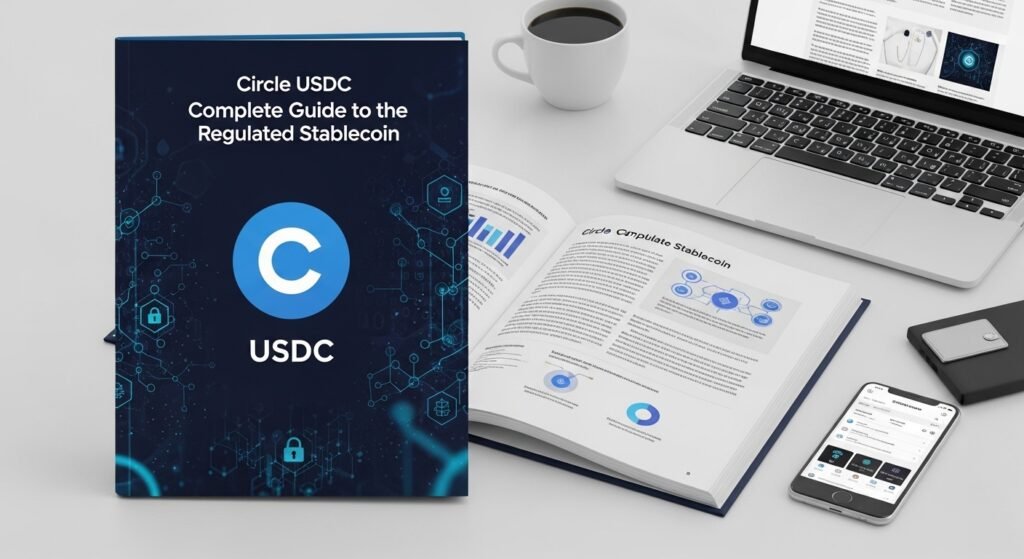
Circle USDC has emerged as one of the most trusted stablecoins in the cryptocurrency ecosystem. Unlike traditional cryptocurrencies known for high volatility, USDC maintains a stable value pegged to the U.S. dollar. This feature makes it an essential tool for investors, traders, and businesses seeking a reliable digital currency for transactions, trading, and payments.
Stablecoins such as Circle USDC play a critical role in the broader adoption of digital finance. By combining the transparency of blockchain technology with regulatory compliance, USDC offers a unique blend of stability and innovation. The regulated nature of USDC ensures that each token is backed by real-world assets, providing confidence for both retail and institutional participants.
This guide offers an in-depth look at Circle USDC, covering its structure, regulatory framework, use cases, benefits, and the reasons behind its growing adoption in global financial markets.
What is Circle USDC?
Circle USDC is a fully backed stablecoin issued by Circle, a regulated financial technology firm based in the United States. Each USDC token is pegged to the U.S. dollar on a 1:1 basis, meaning that for every USDC in circulation, there is a corresponding U.S. dollar held in reserve.
How Circle USDC Works
USDC operates on blockchain networks, primarily Ethereum, as a digital representation of the U.S. dollar. Transactions are recorded on-chain, ensuring transparency and auditability. Users can transfer USDC across wallets instantly, leverage it for trading on cryptocurrency exchanges, or use it for payments in decentralized finance platforms.
Unlike volatile cryptocurrencies like Bitcoin or Ethereum, USDC maintains price stability, making it a reliable store of value. The reserves backing USDC are regularly audited, providing additional assurance that each token is fully redeemable for one U.S. dollar at any time.
Regulatory Compliance and Trust
One of USDC’s defining features is its regulated framework. Circle adheres to U.S. financial regulations, including Know Your Customer (KYC) and Anti-Money Laundering (AML) requirements. These measures ensure that USDC operates within legal standards, distinguishing it from other unregulated stablecoins.
By integrating compliance with blockchain technology, Circle USDC has built a reputation for safety, transparency, and accountability. Institutions, in particular, prefer USDC due to its alignment with regulatory expectations.
Advantages of Using Circle USDC
Circle USDC offers several benefits compared to traditional currencies and other cryptocurrencies.
Stability and Predictability
USDC maintains a fixed 1:1 value with the U.S. dollar, minimizing exposure to cryptocurrency volatility. This stability is especially valuable for investors seeking to preserve capital during turbulent market conditions or for businesses looking for predictable payment methods.
Instant and Global Transactions
Being blockchain-based, USDC enables near-instant transfers across borders without relying on traditional banking systems. This feature reduces transaction times, lowers fees, and provides global accessibility. Businesses can leverage USDC to streamline payments and improve operational efficiency.
Transparency and Security
Circle ensures that USDC reserves are regularly audited and publicly verified. Every token is backed by liquid assets, and on-chain transactions provide an immutable record. This transparency reduces counterparty risk and enhances financial security for users.
Integration with DeFi and Digital Finance
USDC is widely accepted in decentralized finance ecosystems. It can be used for lending, borrowing, yield farming, and liquidity provision. Its stable value makes it an ideal medium of exchange for DeFi applications, bridging traditional finance with blockchain innovation.
Use Cases of Circle USDC
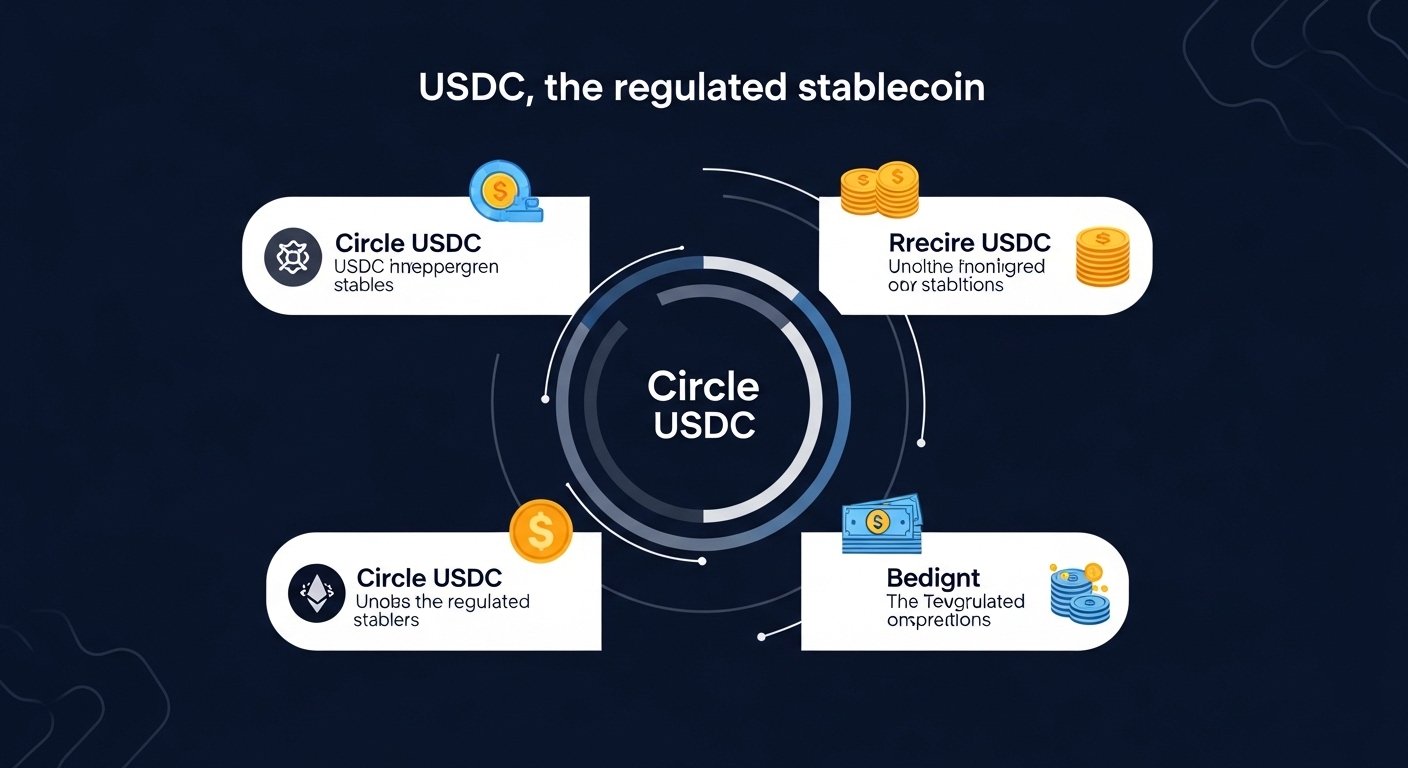
Circle USDC has multiple real-world applications, ranging from trading to payments and institutional finance.
Trading and Hedging
Traders use USDC as a safe haven during volatile market periods. Converting volatile assets into USDC helps preserve value while maintaining liquidity for future trading opportunities. USDC also facilitates arbitrage across exchanges due to its stable pricing.
Cross-Border Payments
International transactions can be slow and expensive with traditional banking systems. USDC enables near-instant transfers across countries, reducing reliance on intermediaries and lowering costs. Companies and individuals increasingly use USDC for remittances and global commerce.
Institutional Adoption
Financial institutions are adopting USDC to settle transactions, manage liquidity, and participate in blockchain-based finance. Its regulated nature, transparency, and stability align with institutional risk management requirements, making it suitable for corporate treasuries and investment funds.
Decentralized Finance (DeFi)
USDC is a backbone asset in the DeFi ecosystem. Users can lend, borrow, stake, or provide liquidity using USDC. Its predictable value reduces risk while enabling innovative financial services such as automated lending platforms, yield aggregators, and decentralized exchanges.
How Circle Ensures USDC Stability
Maintaining the peg to the U.S. dollar requires a combination of operational, financial, and technological strategies.
Fully Backed Reserves
Circle ensures that every USDC in circulation is backed by liquid assets equivalent to its value. These reserves include cash and cash-equivalents, guaranteeing that tokens can be redeemed at face value.
Regular Audits and Reporting
To maintain credibility, Circle conducts monthly audits by reputable accounting firms. These reports are publicly accessible, providing assurance of transparency and reserve integrity.
Compliance and Governance
Regulatory compliance forms a cornerstone of USDC’s operation. Circle adheres to KYC, AML, and other financial regulations, ensuring that USDC transactions remain secure and legitimate. This regulatory alignment strengthens trust and adoption among both retail and institutional users.
Circle USDC vs Other Stablecoins
USDC competes with other major stablecoins like Tether (USDT) and Binance USD (BUSD). Its advantages include stricter regulatory compliance, regular audits, and strong institutional backing. While USDT remains widely used, USDC’s transparency and governance make it a preferred choice for many users seeking regulated stablecoin solutions.
Reliability and Transparency
USDC’s reserve audits and regulatory adherence provide greater confidence compared to some unregulated alternatives. Investors who prioritize safety and compliance often choose USDC over competitors.
Broad Ecosystem Integration
USDC enjoys extensive integration across cryptocurrency exchanges, DeFi platforms, and digital wallets. Its widespread acceptance enhances liquidity and usability, making it a versatile tool for digital finance applications.
Institutional Preference
Many corporations and financial institutions favor USDC because of its regulated structure. Unlike unregulated stablecoins, USDC aligns with compliance requirements, making it suitable for treasury management and large-scale financial operations.
Risks and Considerations
While Circle USDC offers numerous benefits, users should be aware of potential risks.
Regulatory Changes
Changes in regulations could impact USDC operations, particularly if governments introduce stricter requirements for stablecoins. Staying informed about legal developments is essential for users and institutions relying on USDC.
Centralization Risk
Although USDC operates on decentralized blockchains, its issuance and reserves are managed by Circle. Users must trust the company’s operational and financial integrity, which introduces a degree of centralization risk.
Market Liquidity
While USDC is widely accepted, extreme market conditions or network congestion could temporarily affect liquidity. Investors should consider this when using USDC for large-scale transactions or trading.
Future of Circle USDC
Circle USDC is likely to play a significant role in shaping the future of digital finance.
Expansion in Global Markets
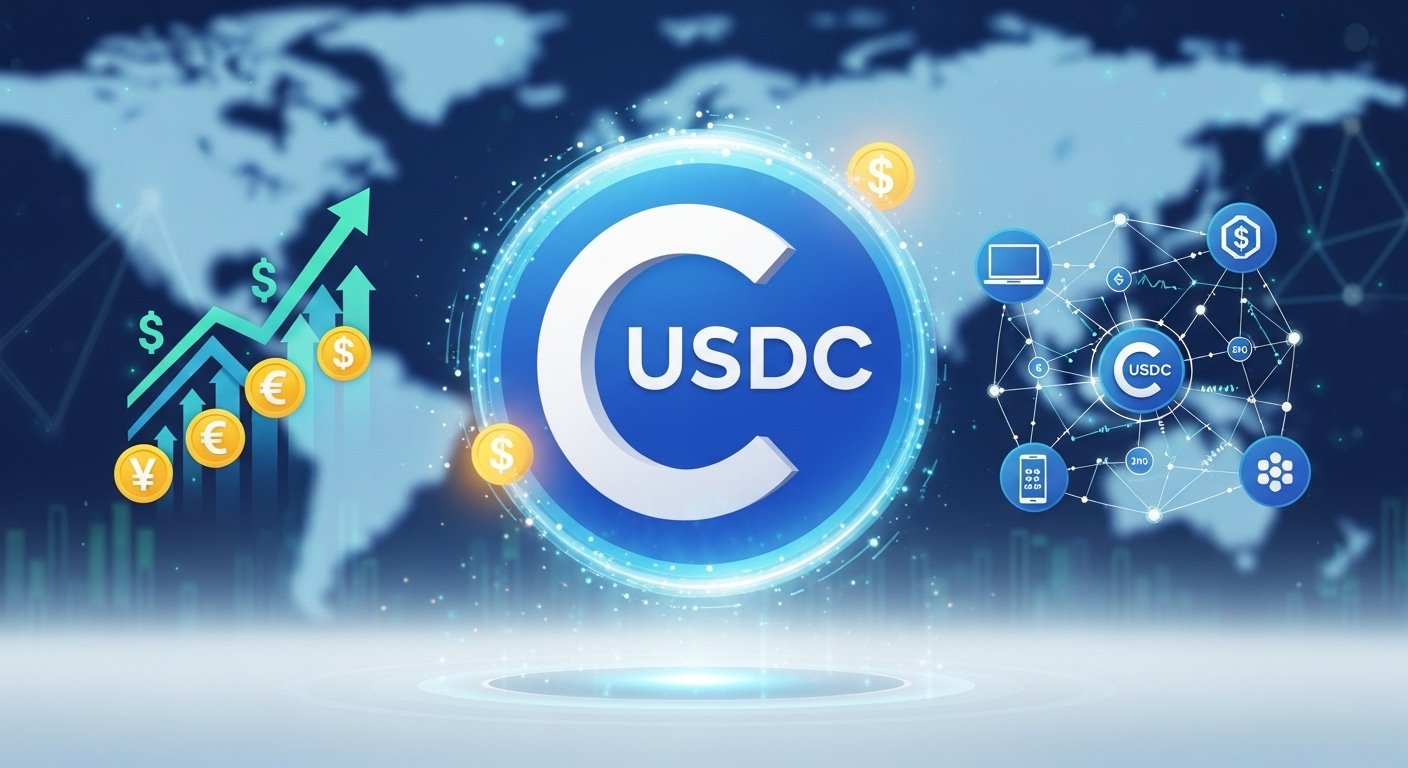
Circle is expanding USDC’s reach across multiple blockchains and jurisdictions. Broader adoption increases usability, supports cross-border transactions, and enhances USDC’s position as a stable digital dollar.
Integration with Emerging Technologies
USDC is increasingly integrated into smart contracts, decentralized applications, and digital payment systems. As blockchain adoption grows, USDC’s role in facilitating seamless, stable, and secure transactions will continue to expand.
Institutional and Corporate Adoption
Corporations, banks, and investment funds are increasingly incorporating USDC into treasury operations. Its regulatory compliance, liquidity, and transparency position it as a core component of institutional digital finance strategies.
Conclusion
Circle USDC is a leading regulated stablecoin that combines price stability, transparency, and regulatory compliance. It serves as a critical bridge between traditional finance and the emerging world of decentralized finance. By offering instant, secure, and global transactions, USDC has become an indispensable tool for traders, businesses, and institutions alike.
As adoption continues to grow, USDC’s role in cross-border payments, DeFi platforms, and corporate finance will likely expand, making it a cornerstone of the digital economy. Its fully backed reserves, regular audits, and adherence to regulatory standards distinguish it from unregulated alternatives, reinforcing trust and long-term viability in the crypto ecosystem.
FAQs
Q: What makes Circle USDC different from other stablecoins like USDT or BUSD?
Circle USDC distinguishes itself through full regulatory compliance, monthly audits, and transparent reserve management. While other stablecoins may lack consistent verification of backing assets, USDC ensures each token is fully redeemable and aligns with institutional standards. This transparency makes it a preferred choice for both retail and institutional users.
Q: How is USDC maintained at a 1:1 value with the U.S. dollar?
USDC is backed by fully liquid reserves equivalent to the total number of tokens in circulation. Circle regularly audits these reserves to ensure transparency and integrity. Additionally, regulatory oversight and adherence to financial compliance standards help maintain the peg and build trust among users.
Q: What are the primary use cases for Circle USDC in digital finance?
USDC serves multiple purposes, including acting as a stable trading pair, enabling instant cross-border payments, facilitating decentralized finance operations such as lending and staking, and supporting institutional treasury management. Its stability and transparency make it versatile across both retail and corporate applications.
Q: Are there any risks associated with using USDC?
Although USDC is regulated and fully backed, users should consider potential risks such as changes in regulatory frameworks, reliance on Circle as a centralized issuer, and temporary liquidity constraints during periods of market stress. Understanding these risks is important for effective financial planning.
Q: How is USDC contributing to the growth of decentralized finance (DeFi)?
USDC provides a stable and reliable asset for DeFi applications, reducing volatility risk for users. Its widespread integration into lending platforms, liquidity pools, and decentralized exchanges facilitates broader participation in the digital finance ecosystem. By bridging traditional finance and blockchain technology, USDC supports the continued expansion of DeFi markets.