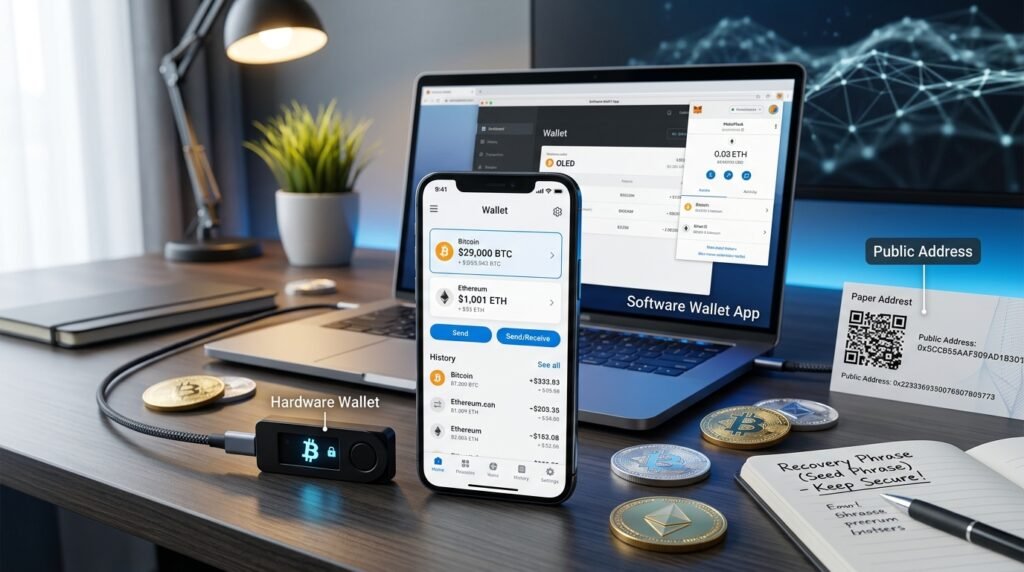
The cryptocurrency market continues to grow at a rapid pace in 2026. Millions of people now buy, trade, and store digital assets every day. However, many beginners still ask one important question: what are crypto wallets? Understanding crypto wallets is essential because they protect your digital assets and give you full control over your cryptocurrencies.
A crypto wallet is more than a simple storage tool. It acts as a gateway that allows users to access blockchain networks, send and receive coins, manage private keys, and interact with decentralized applications. Without a secure wallet, managing digital assets becomes risky and difficult. Therefore, every investor, trader, or long-term holder must understand how these wallets work.
Today, the crypto wallet industry offers many advanced solutions. Some wallets focus on security, while others prioritize speed and convenience. Additionally, many wallets now support NFTs, decentralized finance platforms, staking, and multi-chain transactions. As blockchain adoption expands, crypto wallets continue to evolve with better technology and stronger protection systems.
This ultimate guide explains everything you need to know about crypto wallets in 2026. You will learn how they work, the different wallet types, the importance of private keys, security best practices, and the features that matter most when choosing a wallet. By the end of this guide, you will understand how to protect your digital assets safely and confidently.
What Are Crypto Wallets?
A crypto wallet is a digital tool that allows users to store, access, send, and receive cryptocurrencies. Unlike traditional wallets that hold physical cash, crypto wallets manage the private keys needed to access blockchain-based assets.
Many beginners believe wallets physically store cryptocurrencies. In reality, cryptocurrencies remain on the blockchain at all times. The wallet simply provides access to those assets through cryptographic keys. These keys prove ownership and authorize transactions.
Every crypto wallet contains two essential components: a public key and a private key. The public key works like an account number. Users can share it to receive funds. Meanwhile, the private key acts like a secret password that grants complete control over the wallet. Anyone with access to the private key can control the assets inside the wallet.
Modern crypto wallets support a wide range of digital assets. Users can store Bitcoin, Ethereum, stablecoins, NFTs, and thousands of altcoins within a single interface. Moreover, many wallets now integrate directly with decentralized exchanges and Web3 applications.
Because cryptocurrencies operate without centralized banks, wallets play a critical role in personal financial ownership. Users maintain direct control over their assets without relying on third parties. As a result, crypto wallets have become a core part of the blockchain ecosystem.
How Do Crypto Wallets Work?
Crypto wallets work by interacting with blockchain networks through cryptographic technology. When users create a wallet, the software generates a unique pair of cryptographic keys. These keys establish ownership and allow secure blockchain transactions.
The public key generates a wallet address. This address allows other users to send cryptocurrency to the wallet. On the other hand, the private key signs transactions and verifies ownership. Without the private key, users cannot access or transfer their digital assets.
Whenever someone sends cryptocurrency, the blockchain records the transaction permanently. The wallet updates the balance by reading blockchain data. Therefore, the wallet itself does not hold coins. Instead, it provides secure access to blockchain-based funds.
Modern wallets also simplify complex blockchain processes. Many wallets display balances, transaction histories, NFT collections, and staking options within a user-friendly dashboard. Consequently, even beginners can manage crypto assets more easily in 2026.
Additionally, many crypto wallets now support biometric security, hardware authentication, and encrypted cloud backups. These features improve accessibility while maintaining high security standards.
The Importance of Private Keys in Crypto Wallets
The private key remains the most important element of any crypto wallet. It serves as proof of ownership and gives users complete control over their digital assets. Therefore, protecting private keys should always be the top priority.
When users create a wallet, the system generates a recovery phrase, also called a seed phrase. This phrase usually contains 12 or 24 random words. It acts as a backup for restoring wallet access if the device becomes lost or damaged.
Anyone who obtains the recovery phrase can control the wallet. Because of this, users should never share their seed phrase online or store it insecurely. Instead, experts recommend writing it down offline and keeping it in a secure location.
Many crypto thefts happen because users expose private keys through phishing scams, fake wallet apps, or hacked devices. Consequently, wallet security education has become more important than ever in 2026.
Advanced users often prefer self-custody wallets because they retain full control over their private keys. Meanwhile, centralized exchange wallets store keys on behalf of users. Although exchange wallets offer convenience, they also introduce additional risks.
Understanding private key management helps users protect their investments and avoid unnecessary losses.
Hot Wallets vs Cold Wallets
Crypto wallets generally fall into two major categories: hot wallets and cold wallets. Each type offers unique advantages and disadvantages depending on the user’s needs.
What Are Hot Wallets?
Hot wallets remain connected to the internet. These wallets include mobile apps, desktop software, browser extensions, and web-based wallets. Because they stay online, hot wallets provide quick access to digital assets and support fast transactions.
Many traders and active crypto users prefer hot wallets because they allow instant transfers and seamless interaction with decentralized applications. Additionally, hot wallets often feature modern interfaces that simplify portfolio management.
However, internet connectivity increases security risks. Hackers, phishing attacks, malware, and fake applications can target hot wallets more easily. Therefore, users should avoid storing large amounts of cryptocurrency in online wallets.
Popular hot wallets in 2026 include wallets designed for Ethereum, Bitcoin, Solana, and multi-chain ecosystems. These wallets continue to improve security through biometric verification and encrypted backups.
What Are Cold Wallets?
Cold wallets store private keys offline. Since they remain disconnected from the internet, they provide stronger protection against hacking attempts and cyber threats.
Hardware wallets represent the most common type of cold wallet. These physical devices securely store private keys and sign transactions offline. As a result, hackers cannot easily access sensitive information remotely.
Long-term investors often prefer cold wallets because they reduce exposure to online risks. Additionally, institutions and high-net-worth investors frequently use cold storage solutions to protect large crypto holdings.
Although cold wallets offer excellent security, they can feel less convenient for daily transactions. Users must connect the device whenever they want to send funds. Nevertheless, the extra protection makes cold wallets extremely valuable for serious investors.
Types of Crypto Wallets Available in 2026
The crypto industry now offers many wallet options tailored to different user preferences. Understanding each type helps users choose the best solution for their goals.
Mobile Crypto Wallets
Mobile wallets operate through smartphone applications. These wallets allow users to send, receive, and manage cryptocurrencies directly from their phones. Because smartphones remain accessible at all times, mobile wallets provide unmatched convenience.
Many mobile wallets now support QR code payments, NFT storage, staking features, and decentralized finance integrations. Consequently, they have become popular among everyday crypto users.
However, mobile wallets depend heavily on device security. Users should enable biometric authentication, avoid suspicious downloads, and keep operating systems updated regularly.
Desktop Crypto Wallets
Desktop wallets run on computers and laptops. These wallets usually offer advanced features, better portfolio tracking, and enhanced customization options.
Many experienced crypto users prefer desktop wallets because they provide greater control and often support multiple blockchain networks. Additionally, desktop wallets can integrate with hardware wallets for stronger security.
Still, malware infections and compromised devices can threaten desktop wallets. Therefore, users should maintain strong antivirus protection and avoid unsafe downloads.
Web-Based Crypto Wallets
Web wallets operate through internet browsers. Users can access them from nearly any device with an internet connection. These wallets prioritize accessibility and convenience.
Many centralized crypto exchanges provide built-in web wallets for trading purposes. While these solutions simplify crypto management, users do not fully control their private keys in most cases.
Because centralized services can face hacks or regulatory problems, many investors prefer transferring long-term holdings to self-custody wallets.
Hardware Wallets
Hardware wallets remain one of the safest options for storing cryptocurrency. These physical devices isolate private keys from internet-connected systems, greatly reducing hacking risks.
In 2026, hardware wallets support thousands of cryptocurrencies, NFT management, staking, and multi-chain compatibility. Many devices also include touchscreen displays and biometric verification.
Although hardware wallets require an upfront purchase cost, their security benefits make them highly valuable for protecting substantial investments.
Paper Wallets
Paper wallets involve printing private keys or seed phrases on physical paper. Although they provide offline storage, they have become less popular due to practical risks.
Paper can become damaged, lost, or stolen easily. Furthermore, creating paper wallets securely requires advanced technical knowledge. Therefore, most users now prefer hardware wallets for cold storage.
Why Crypto Wallet Security Matters
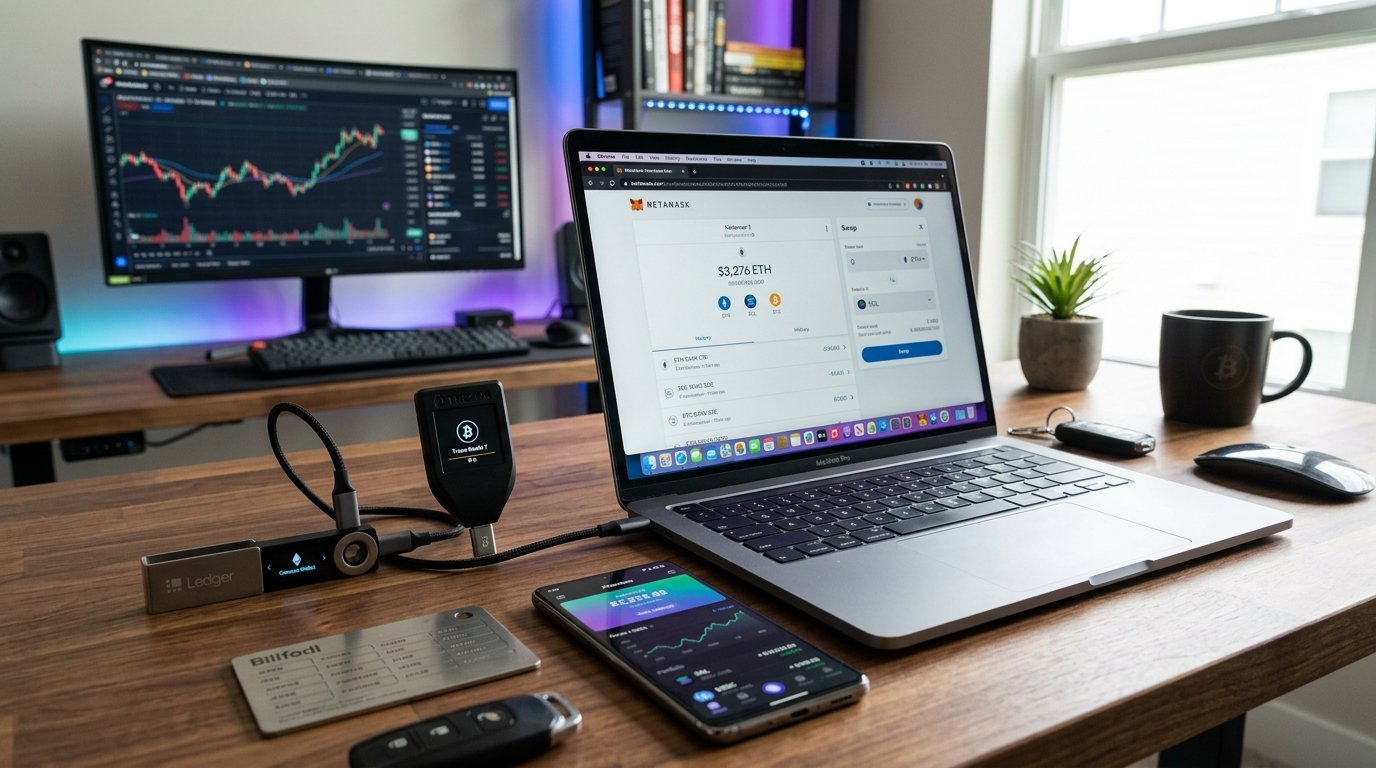
Security remains one of the biggest concerns in the cryptocurrency industry. Unlike traditional banking systems, blockchain transactions cannot usually be reversed. If hackers steal funds, recovering them becomes extremely difficult.
Crypto wallets serve as the primary defense against theft. Therefore, users must follow strong security practices at all times. Even the best wallet cannot protect careless behavior.
Phishing scams remain one of the most common threats in 2026. Attackers create fake wallet websites, fraudulent browser extensions, and deceptive mobile apps designed to steal private keys. Consequently, users should always verify official sources before downloading software.
Two-factor authentication adds another important security layer. Many wallets now support authentication apps, hardware keys, and biometric verification to reduce unauthorized access.
Additionally, users should avoid storing seed phrases digitally. Offline storage significantly lowers exposure to cyber threats. Some investors even use metal backup plates for fireproof and waterproof protection.
Strong security habits help users maintain full control over their digital wealth.
Custodial vs Non-Custodial Wallets
Another important distinction involves custodial and non-custodial wallets. Both options serve different types of users.
Custodial Wallets
Custodial wallets place private key management in the hands of a third party, usually a cryptocurrency exchange or service provider. These wallets simplify onboarding because users do not manage recovery phrases directly.
Beginners often appreciate custodial wallets because they offer password recovery options and customer support. However, users sacrifice full ownership and depend on the platform’s security measures.
Several major exchange collapses over recent years have highlighted the risks associated with custodial storage. Therefore, many experienced investors recommend avoiding long-term storage on exchanges.
Non-Custodial Wallets
Non-custodial wallets give users full control over private keys and digital assets. These wallets align closely with the core philosophy of decentralization and financial independence.
Although non-custodial wallets require greater responsibility, they eliminate reliance on centralized companies. Users maintain direct ownership of their cryptocurrency without intermediary control.
In 2026, non-custodial wallets continue to dominate the decentralized finance and Web3 sectors because they support secure blockchain interactions.
Features to Look for in a Crypto Wallet
Choosing the right crypto wallet depends on several important factors. Users should evaluate security, compatibility, ease of use, and additional features before making a decision.
Security should always come first. Wallets with biometric login, hardware support, encryption, and multi-factor authentication provide stronger protection against attacks.
Compatibility also matters greatly. Many investors hold assets across multiple blockchains. Therefore, multi-chain support allows easier portfolio management within a single wallet interface.
User experience plays an important role as well. Beginners usually prefer wallets with simple navigation, clear transaction histories, and helpful tutorials.
Additionally, many modern wallets offer built-in staking, NFT management, decentralized exchange access, and cross-chain swapping features. These tools improve convenience and expand wallet functionality.
Regular software updates indicate active development and stronger security maintenance. Therefore, users should choose wallets backed by trusted development teams with strong industry reputations.
Crypto Wallet Trends in 2026
The crypto wallet industry continues evolving rapidly in 2026. Artificial intelligence, decentralized identity systems, and improved blockchain interoperability now shape the future of wallet technology.
Many wallets now include AI-powered fraud detection systems that warn users about suspicious transactions and malicious smart contracts. These tools help reduce phishing attacks and accidental asset loss.
Social recovery systems also continue gaining popularity. These systems allow trusted contacts or devices to help restore wallet access without exposing private keys.
Cross-chain compatibility has become another major trend. Modern wallets increasingly support multiple blockchain ecosystems, making asset management more efficient.
Additionally, wallets now function as complete digital identity hubs. Users can store NFTs, access decentralized applications, manage tokenized assets, and verify online identities from a single platform.
As blockchain adoption expands globally, crypto wallets will likely become even more user-friendly and secure.
Common Mistakes Crypto Wallet Users Should Avoid
Many crypto users make preventable mistakes that lead to financial losses. Understanding these risks helps investors protect their assets more effectively.
One common mistake involves storing large amounts of cryptocurrency on exchanges. Although exchanges provide convenience, they remain attractive targets for hackers.
Another major issue involves weak password management. Reusing passwords across multiple platforms increases vulnerability to cyberattacks.
Users also frequently fall victim to phishing scams. Fake wallet apps and fraudulent websites often imitate legitimate services convincingly. Therefore, verifying URLs and downloading software from official sources remains essential.
Neglecting wallet backups creates additional problems. Device failure, accidental deletion, or theft can permanently lock users out of their funds if recovery phrases remain unavailable.
Finally, many investors ignore software updates. Regular updates often contain important security patches and compatibility improvements.
Avoiding these common mistakes significantly improves long-term crypto security.
The Future of Crypto Wallets
Crypto wallets will likely become even more advanced over the next few years. As blockchain technology enters mainstream finance, wallets may replace many traditional financial applications.
Future wallets could integrate digital banking, tokenized assets, decentralized identity systems, and AI-powered financial management tools into one platform. Additionally, simplified interfaces may help onboard millions of non-technical users.
Biometric authentication and passwordless security systems will probably become standard features. Meanwhile, quantum-resistant encryption may emerge as a future protection layer against evolving cyber threats.
Governments and financial institutions also continue exploring blockchain adoption. Consequently, crypto wallets may eventually support central bank digital currencies alongside decentralized cryptocurrencies.
The rapid innovation within the blockchain industry ensures that crypto wallets will remain at the center of digital finance for years to come.
Conclusion
Understanding what crypto wallets are is essential for anyone entering the cryptocurrency market in 2026. These wallets provide secure access to blockchain assets and allow users to manage digital wealth independently. Whether someone trades daily or invests for the long term, choosing the right wallet plays a major role in protecting assets safely.
Hot wallets offer speed and convenience, while cold wallets provide stronger offline security. Additionally, non-custodial wallets give users complete ownership of their cryptocurrencies without relying on third parties.
As blockchain technology continues evolving, crypto wallets now offer far more than simple storage. They support NFTs, decentralized finance, staking, digital identity systems, and cross-chain functionality. Therefore, selecting a secure and reliable wallet has become more important than ever.
By understanding wallet types, security practices, and emerging trends, users can confidently navigate the rapidly expanding world of cryptocurrency and Web3 technology.
FAQs
Q. What is the safest type of crypto wallet?
Hardware wallets are generally considered the safest crypto wallets because they store private keys offline and reduce exposure to online attacks.
Q. Can I store multiple cryptocurrencies in one wallet?
Yes, many modern crypto wallets support multiple cryptocurrencies across different blockchain networks within a single application.
Q. Are crypto wallets free to use?
Many software wallets are free to download and use. However, hardware wallets usually require a one-time purchase.
Q. What happens if I lose my crypto wallet?
If you still have your recovery phrase or seed phrase, you can restore access to your wallet on another compatible device.
Q. Do I need a crypto wallet to buy cryptocurrency?
Some exchanges allow users to buy crypto without a personal wallet. However, using your own wallet gives you greater security and full ownership of your digital assets.