





















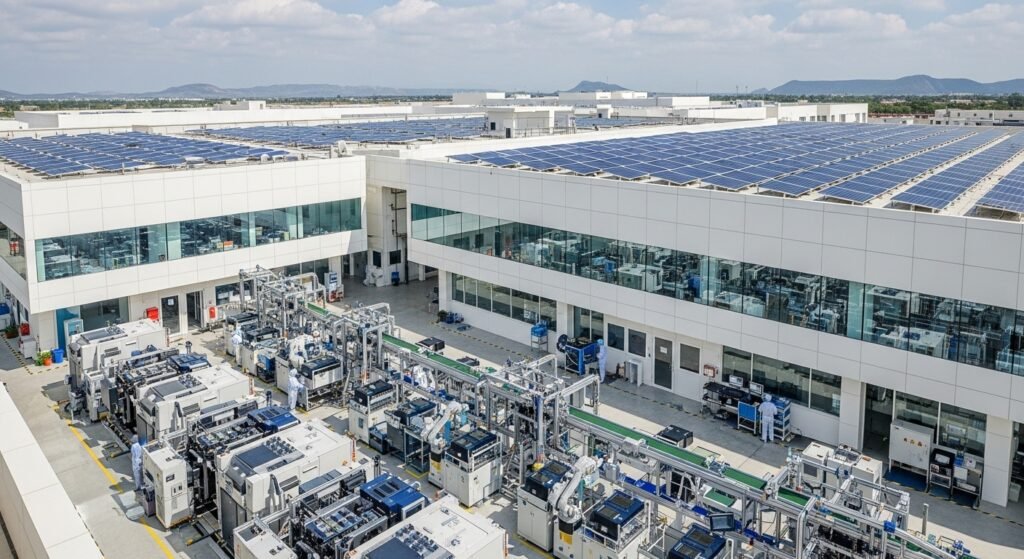
India Inaugurates First Semiconductor Assembly Facility in Gujarat

Gujarat

COIN4U IN YOUR SOCIAL FEED

India has taken a historic step in advancing its electronics manufacturing capabilities by inaugurating its first semiconductor assembly and testing facility in Gujarat. The event marks a significant milestone in India’s journey toward becoming a global hub for chip production and electronics manufacturing. As the world increasingly relies on semiconductors for everything from smartphones to electric vehicles, India’s new facility signals the country’s intent to reduce dependence on imports and strengthen its position in the global supply chain.

The semiconductor industry, often referred to as the backbone of modern technology, has gained strategic importance in recent years. With growing demand for consumer electronics, telecommunications infrastructure, and automotive applications, countries worldwide are investing heavily in chip manufacturing. India’s move to establish a state-of-the-art assembly and testing facility aligns with its broader vision of technological self-reliance and economic growth.

This article explores the inauguration of India’s first semiconductor assembly facility in Gujarat, the strategic significance for the Indian electronics ecosystem, the potential economic and technological benefits, and the future outlook for India’s semiconductor ambitions.

The Inauguration Event and Key Highlights

The inauguration of the semiconductor facility in Gujarat was attended by government officials, industry leaders, and technology experts. The facility represents a collaboration between Indian manufacturing firms, state government initiatives, and international partners, showcasing India’s commitment to fostering high-tech industries.

The Gujarat facility will focus on semiconductor assembly and testing, which are critical stages in chip production. While wafer fabrication involves the creation of semiconductor wafers, assembly and testing ensure that chips meet quality standards before integration into electronic devices. By establishing a domestic facility for these processes, India addresses a crucial gap in the semiconductor value chain.

The event highlighted the government’s support for the electronics manufacturing sector, with policies aimed at attracting investment, enhancing infrastructure, and promoting skill development. These initiatives are expected to accelerate India’s integration into global semiconductor supply networks.

Strategic Importance of Semiconductor Assembly in India

Semiconductors are essential components in virtually every modern technology, from computers and smartphones to medical devices and renewable energy systems. By launching a domestic assembly and testing facility, India takes a decisive step toward securing a stable supply of critical components.

Reducing Dependence on Imports

India currently imports a significant portion of its semiconductor requirements, making it vulnerable to global supply chain disruptions. By developing domestic capabilities in assembly and testing, India can reduce import dependency, mitigate risks associated with geopolitical tensions, and ensure a consistent supply for its electronics industry.

Boosting Electronics Manufacturing

The Gujarat facility will complement India’s broader electronics manufacturing ambitions. By integrating semiconductor assembly with local device manufacturing, India can enhance value addition within the country, create jobs, and stimulate industrial growth. This development also aligns with initiatives like Make in India and the Production Linked Incentive program for electronics manufacturing.

Enhancing Technological Competitiveness
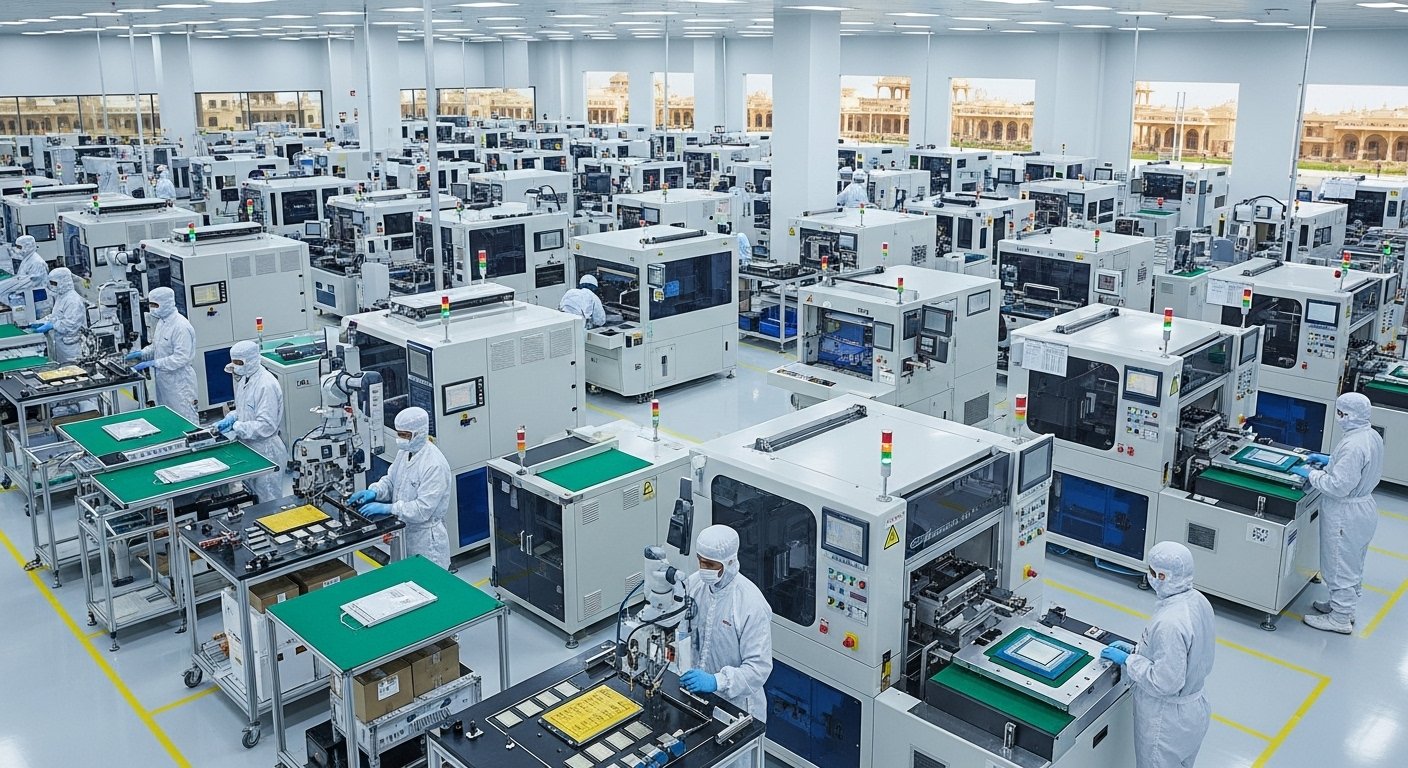
boosting chip

Domestic semiconductor capabilities position India to participate more actively in global technology innovation. The ability to assemble and test chips locally allows manufacturers to experiment with advanced designs, optimize production, and support emerging technologies such as 5G, artificial intelligence, and electric vehicles.

Economic Implications and Job Creation

The establishment of the semiconductor facility in Gujarat is expected to have significant economic benefits.

Investment and Industrial Growth

The facility attracts both domestic and international investment, boosting industrial activity in the region. Semiconductor assembly requires advanced machinery, high-quality infrastructure, and skilled labor, all of which contribute to industrial modernization and regional development.

Employment Opportunities

Skilled engineers, technicians, and support staff are essential for operating a semiconductor assembly facility. India’s new facility will generate employment opportunities across multiple levels, from specialized technical roles to ancillary support services. Workforce development programs and training initiatives are expected to build a talent pool capable of supporting high-tech manufacturing.

Ancillary Industries and Supply Chain Development

The semiconductor assembly facility will stimulate growth in related sectors, including electronics components, packaging materials, logistics, and quality testing services. This ecosystem effect enhances overall economic value and positions Gujarat as a regional hub for advanced manufacturing.

Technological Advancements and Infrastructure

The Gujarat semiconductor assembly facility incorporates modern technological infrastructure to ensure efficiency, quality, and scalability.

Advanced Assembly and Testing Equipment

The facility is equipped with cutting-edge machinery for chip assembly, packaging, and testing. Automation and precision engineering minimize errors and enhance throughput, ensuring that chips meet global quality standards.

Research and Development Integration

Integration with R&D initiatives allows manufacturers to innovate and refine semiconductor designs. This alignment ensures that India can not only assemble chips but also participate in the development of advanced semiconductor technologies over time.

Infrastructure and Utilities

Semiconductor facilities require stringent environmental control, reliable power supply, and specialized cleanroom environments. The Gujarat facility incorporates these requirements, supporting sustainable and efficient operations.

Global Context: India’s Role in the Semiconductor Industry

The global semiconductor industry is dominated by a few countries, including the United States, Taiwan, South Korea, and China. By inaugurating its first assembly facility, India aims to carve out a niche within this competitive landscape.

Opportunities for Collaboration and Export

Domestic assembly capabilities position India to collaborate with global chip designers and manufacturers. India can serve as a hub for assembly and testing, complementing fabrication operations elsewhere. Over time, this may lead to export opportunities and integration into global supply chains.

Strategic Significance in Geopolitics

Semiconductors are strategically important assets in global geopolitics. By establishing local production capacity, India strengthens its technological sovereignty and reduces exposure to international supply disruptions caused by political tensions or natural disasters.

Challenges and Roadblocks

While the inauguration of the Gujarat facility is a milestone, India faces challenges in fully realizing its semiconductor ambitions.

Skilled Workforce Shortages

High-tech semiconductor manufacturing requires specialized expertise. India must invest in training programs, technical education, and skill development to ensure a steady supply of qualified personnel.

Infrastructure and Supply Chain Complexity

Establishing a reliable supply chain for materials, components, and advanced equipment is essential. Any disruption in inputs can affect production schedules and quality standards.

Competition from Established Markets
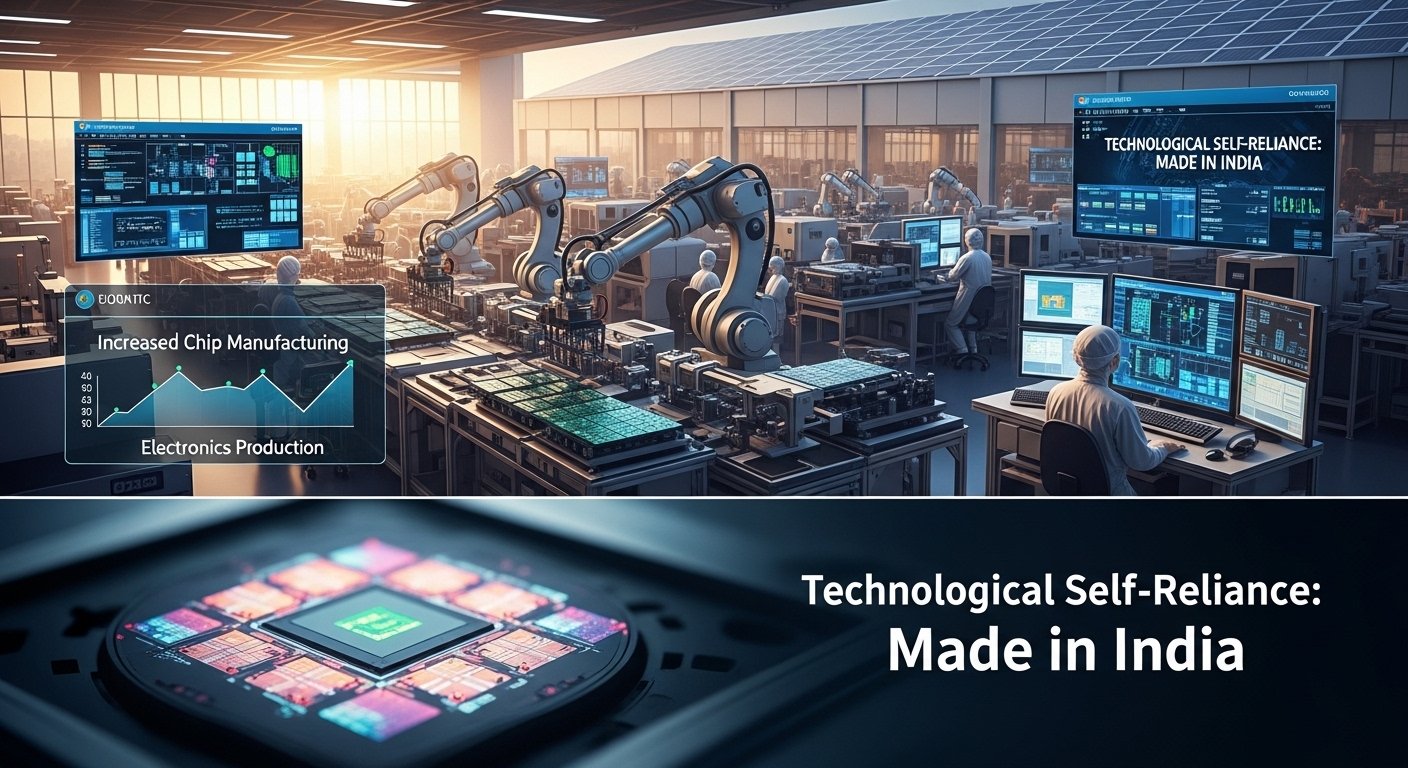
self-reliance

India will compete with established semiconductor hubs in Asia and North America. Maintaining cost efficiency, technological capabilities, and quality standards is critical for attracting global partnerships and investment.

Future Outlook for India’s Semiconductor Industry

The Gujarat facility represents the first step in a broader vision for India’s semiconductor sector.

Expansion and Scaling

Plans for additional assembly, testing, and fabrication facilities are likely as India strengthens its ecosystem. Scaling operations will enhance capacity, enable advanced chip designs, and support domestic demand across industries.

Integration with Emerging Technologies

Semiconductors are foundational for innovations in 5G, artificial intelligence, IoT, and electric vehicles. India’s growing domestic capabilities position it to support these industries, driving long-term economic and technological benefits.

Policy Support and Government Initiatives

Government initiatives play a key role in accelerating semiconductor growth. Incentives, subsidies, and streamlined regulatory processes are expected to attract investment and strengthen India’s position as a competitive semiconductor destination.

Conclusion

India’s inauguration of its first semiconductor assembly and testing facility in Gujarat marks a historic achievement for the country’s electronics manufacturing ambitions. The facility strengthens technological sovereignty, reduces import dependence, creates employment, and positions India as a competitive player in the global semiconductor ecosystem.

While challenges remain in workforce development, supply chain optimization, and competition, the strategic significance of this milestone cannot be overstated. By investing in domestic capabilities, India is laying the foundation for long-term growth in technology, manufacturing, and innovation. The Gujarat facility is not just a production center; it is a symbol of India’s vision for self-reliance, industrial advancement, and global technological integration.

FAQs

Q: What is the significance of India inaugurating its first semiconductor assembly facility in Gujarat?

The inauguration is significant because it represents India’s entry into a critical segment of the semiconductor value chain. By establishing domestic assembly and testing capabilities, India reduces dependency on imports, strengthens technological sovereignty, and enhances its position in the global electronics manufacturing ecosystem.

Q: How will the Gujarat semiconductor facility impact India’s economy?

The facility is expected to attract investment, create employment opportunities, and stimulate growth . The broader economic impact includes industrial modernization, skill development, and positioning Gujarat as a regional hub for advanced technology manufacturing.

Q: What technologies and infrastructure are incorporated in the facility?

The Gujarat facility uses advanced assembly and testing machinery, precision automation. Cleanroom environments to ensure high-quality semiconductor production. Integration with R&D initiatives allows for continuous innovatio.  Infrastructure is designed to support sustainable and efficient operations.

Q: How does this facility position India in the global semiconductor industry?

By developing domestic assembly and testing capabilities, India can participate in global supply chains, collaborate with international manufacturers, and potentially export assembled chips. The facility also enhances India’s strategic and technological independence, reducing exposure to global supply disruptions.

Q: What are the future prospects for India’s semiconductor sector?

India’s semiconductor future includes expansion of assembly and testing facilities, potential wafer fabrication projects, and integration with emerging technologies such as AI, 5G, and electric vehicles. Government policy support, investment incentives, and workforce development programs will be critical to sustaining long-term growth.

Explore more articles like this

Subscribe to the Finance Redefined newsletter

A weekly toolkit that breaks down the latest DeFi developments, offers sharp analysis, and uncovers new financial opportunities to help you make smart decisions with confidence. Delivered every Friday

By subscribing, you agree to our Terms of Services and Privacy Policy

READ MORE

Cryptocurrency Adoption in Brazilian Online Casinos Gains Momentum

cryptocurrency adoption

COIN4U IN YOUR SOCIAL FEED

Cryptocurrency adoption in Brazilian online casinos is accelerating at an unprecedented pace, reshaping how players deposit, wager, and withdraw funds. As Brazil’s digital economy expands and more citizens embrace digital assets, online gambling platforms are rapidly integrating crypto payment solutions to meet evolving consumer demands. The result is a powerful convergence between the country’s thriving gaming sector and the broader blockchain ecosystem.

Over the past few years, Brazilian online casinos have witnessed dramatic changes driven by technology, regulation, and player behavior. Traditional payment methods such as bank transfers and credit cards still play a significant role, but cryptocurrencies like Bitcoin and other decentralized currencies are becoming increasingly popular. This shift is not merely a passing trend. It reflects deeper transformations in financial access, user privacy expectations, and the demand for faster transactions.

In this comprehensive guide, we explore how cryptocurrency adoption in Brazilian online casinos is gaining momentum, why players are turning to crypto gambling platforms, how regulations are shaping the landscape, and what the future may hold for this rapidly evolving sector.

The Rise of Cryptocurrency Adoption in Brazilian Online Casinos

Cryptocurrency adoption in Brazilian online casinos did not happen overnight. It emerged gradually as global crypto awareness grew and Brazilian players became more comfortable with digital payments. Brazil has one of the largest internet user bases in Latin America, and the population is highly engaged with mobile technology. This digital readiness created fertile ground for crypto gambling platforms to flourish.

Initially, only a handful of international operators accepted cryptocurrency payments. However, as demand increased, more Brazilian online casinos began integrating Bitcoin and other altcoins. The appeal was clear. Crypto transactions offer speed, lower transaction fees, and reduced dependency on traditional financial intermediaries.

Moreover, cryptocurrency adoption in Brazilian online casinos aligns with broader global trends. As blockchain technology gains legitimacy in finance and commerce, online gaming platforms are leveraging it to improve transparency and trust. Provably fair gaming systems, powered by blockchain verification, further enhance credibility among Brazilian players.

The combination of technological innovation and player demand has made crypto integration a competitive necessity. Today, many Brazilian online casinos proudly advertise crypto payment options as a core feature rather than a niche alternative.

Why Brazilian Players Are Embracing Crypto Gambling

One of the key drivers behind cryptocurrency adoption in Brazilian online casinos is player preference. Brazilian gamblers are increasingly seeking convenience, privacy, and speed in their transactions. Cryptocurrencies provide these benefits in ways that traditional banking systems often cannot.

Speed is perhaps the most compelling advantage. Deposits made with Bitcoin or other digital currencies are typically processed much faster than conventional bank transfers. Withdrawals, which can sometimes take days through traditional methods, are often completed within hours when processed via crypto wallets.

Privacy is another crucial factor. Many players appreciate the discretion offered by cryptocurrency payments. Instead of revealing detailed banking information, users can transact through wallet addresses, adding a layer of confidentiality.

Additionally, cryptocurrency adoption in Brazilian online casinos reduces transaction costs. International payment processing fees and currency conversion charges can significantly impact player winnings. Crypto transactions often involve lower fees, making them more attractive to frequent players.

The rise of mobile crypto wallets has also contributed to adoption. With user-friendly applications available on smartphones, Brazilian players can manage their digital assets seamlessly. This ease of use removes barriers that once limited crypto participation.

Regulatory Landscape and Its Impact on Adoption

Brazilian online casinos

Regulation plays a critical role in shaping cryptocurrency adoption in Brazilian online casinos. Brazil has been gradually clarifying its stance on both online gambling and digital assets. While the regulatory framework continues to evolve, increased transparency has encouraged operators to adopt compliant crypto payment systems.

The recognition of cryptocurrencies as legitimate financial instruments has boosted confidence among both operators and players. Clearer guidelines reduce legal uncertainty, making it easier for casinos to integrate crypto payment gateways without fear of regulatory backlash.

However, compliance requirements also demand robust security and identity verification processes. Brazilian online casinos using cryptocurrencies must implement effective anti-money laundering measures and know-your-customer procedures. These safeguards help maintain trust while preventing illicit activity.

As regulatory clarity improves, cryptocurrency adoption in Brazilian online casinos is expected to accelerate further. Legal recognition fosters institutional confidence, potentially attracting more investment and innovation in the sector.

Technological Advancements Powering Crypto Casinos

The rapid growth of cryptocurrency adoption in Brazilian online casinos is closely tied to technological innovation. Modern blockchain networks offer faster processing speeds and improved scalability compared to earlier systems. These advancements make crypto transactions more practical for high-volume gaming environments.

Smart contracts represent another significant breakthrough. By automating payouts and ensuring transparent outcomes, smart contracts enhance fairness in online gambling. Brazilian online casinos are increasingly adopting smart contract technology to build player trust.

Security improvements are also central to this evolution. Enhanced encryption protocols and secure wallet integrations protect user funds against cyber threats. As online security becomes more sophisticated, concerns about hacking and fraud diminish.

The integration of provably fair gaming systems further strengthens confidence. These systems allow players to verify the fairness of each game round through cryptographic methods. For Brazilian players who value transparency, this feature adds an extra layer of assurance.

Economic Factors Supporting Crypto Integration

Brazil’s economic environment also influences cryptocurrency adoption in Brazilian online casinos. Currency volatility and inflation concerns have led some individuals to explore alternative stores of value. Cryptocurrencies, despite their own volatility, are perceived by many as innovative financial tools.

In regions where traditional banking access may be limited, digital assets offer an alternative means of participation in online commerce. Crypto wallets can be created quickly without extensive paperwork, making them accessible to a broader segment of the population.

For casino operators, accepting cryptocurrencies opens doors to international players. By removing currency conversion barriers, Brazilian online casinos can attract global audiences. This expanded reach strengthens revenue potential and enhances market competitiveness.

The combination of economic dynamics and technological convenience creates strong incentives for continued cryptocurrency adoption in Brazilian online casinos.

Challenges Facing Crypto Gambling Platforms in Brazil

Despite rapid growth, cryptocurrency adoption in Brazilian online casinos is not without challenges. Price volatility remains a concern. The value of Bitcoin and other cryptocurrencies can fluctuate significantly within short periods, affecting both player balances and operator revenue.

Regulatory uncertainty, while improving, still poses risks. Operators must stay updated with evolving laws to ensure compliance. Any sudden policy changes could impact crypto payment operations.

Security risks also persist. Although blockchain itself is secure, user errors such as losing private keys or falling victim to phishing scams can result in lost funds. Casinos must educate players on safe wallet practices and provide secure infrastructure.

Another challenge involves public perception. Some individuals still associate cryptocurrencies with speculative trading rather than practical payment solutions. Overcoming these misconceptions requires ongoing education and transparent communication.

The Competitive Advantage of Crypto-Friendly Casinos

gaming market

Cryptocurrency adoption in Brazilian online casinos provides a significant competitive edge. Platforms that offer seamless crypto deposits and withdrawals often attract tech-savvy players seeking modern payment options.

Bonuses and promotions tailored to crypto users further enhance appeal. Some casinos offer exclusive incentives for players who deposit with digital assets, encouraging further adoption.

The integration of decentralized finance solutions may also reshape reward systems. In the future, players could potentially earn staking rewards or participate in blockchain-based loyalty programs, blending gaming with broader crypto opportunities.

By positioning themselves as forward-thinking and innovative, Brazilian online casinos that embrace cryptocurrency gain brand differentiation in an increasingly crowded market.

The Role of Altcoins Beyond Bitcoin

While Bitcoin remains the most recognized digital currency, cryptocurrency adoption in Brazilian online casinos extends beyond a single asset. Many platforms now accept Ethereum and various altcoins to accommodate diverse player preferences.

Ethereum’s smart contract capabilities make it particularly attractive for gaming applications. Meanwhile, stablecoins provide a solution to volatility concerns by maintaining a value pegged to traditional currencies.

The availability of multiple cryptocurrency options enhances flexibility. Players can choose assets based on transaction speed, network fees, or personal investment strategies. This diversification strengthens the overall crypto ecosystem within Brazilian online casinos.

As blockchain networks continue to evolve, new tokens designed specifically for gaming may emerge, further expanding possibilities.

The Future Outlook for Crypto Gambling in Brazil

The trajectory of cryptocurrency adoption in Brazilian online casinos suggests continued growth. As digital literacy increases and regulatory frameworks mature, more players are likely to experiment with crypto payments.

Technological innovations such as faster blockchain networks and enhanced security protocols will further streamline user experiences. Integration with emerging technologies like metaverse gaming environments could introduce entirely new forms of interactive gambling.

Institutional involvement may also rise. Partnerships between fintech companies and gaming operators could drive more sophisticated crypto payment solutions. This collaboration may lead to hybrid models combining traditional and decentralized finance.

Ultimately, cryptocurrency adoption in Brazilian online casinos appears poised to remain a central feature of the country’s online gaming industry.

Conclusion

Cryptocurrency adoption in Brazilian online casinos is more than a technological trend. It represents a fundamental shift in how players interact with gaming platforms and manage digital funds. Driven by convenience, privacy, economic factors, and technological innovation, crypto integration has become a defining characteristic of Brazil’s online casino landscape.

While challenges such as volatility and regulatory complexity remain, the overall momentum is undeniable. Brazilian players increasingly value fast transactions, enhanced security, and transparent gaming systems powered by blockchain technology. For operators, embracing cryptocurrencies offers competitive advantages and access to broader markets.

As the digital economy continues to evolve, cryptocurrency adoption in Brazilian online casinos is likely to deepen, shaping the future of online gambling across the country.

FAQs

Q: How is cryptocurrency adoption in Brazilian online casinos changing the player experience?

Cryptocurrency adoption in Brazilian online casinos is transforming the player experience by enabling faster deposits and withdrawals, reducing transaction fees, and enhancing privacy. Players can complete transactions within minutes instead of waiting days for traditional banking processes. The use of blockchain-based systems also increases transparency, allowing users to verify game fairness. This combination of speed, security, and trust significantly improves overall satisfaction.

Q: Are cryptocurrency transactions in Brazilian online casinos secure?

Cryptocurrency transactions in Brazilian online casinos are generally secure when proper safeguards are in place. Blockchain networks use advanced cryptographic methods to protect transaction data. Reputable casinos implement strong encryption, secure wallet integrations, and strict compliance measures such as identity verification. However, players must also take responsibility for safeguarding their private keys and using trusted platforms to minimize risks.

Q: What cryptocurrencies are most commonly accepted by Brazilian online casinos?

Most Brazilian online casinos that support crypto payments accept Bitcoin as the primary digital currency. Many platforms also support Ethereum and other popular altcoins. Some casinos include stablecoins to address volatility concerns. The growing variety of accepted digital assets reflects increasing cryptocurrency adoption in Brazilian online casinos and provides players with flexible payment choices.

Q: How does regulation affect cryptocurrency adoption in Brazilian online casinos?

Regulation plays a crucial role in shaping cryptocurrency adoption in Brazilian online casinos. Clear legal frameworks provide confidence for both operators and players, encouraging responsible integration of crypto payments. Compliance with anti-money laundering and identity verification requirements ensures transparency and security. As Brazil continues refining its regulatory approach, adoption is expected to expand further.

Q: What is the future of cryptocurrency adoption in Brazilian online casinos?

The future of cryptocurrency adoption in Brazilian online casinos appears promising. Continued technological innovation, improved regulatory clarity, and rising digital literacy are likely to drive further growth. Integration with advanced blockchain features, enhanced security systems, and potential metaverse applications could redefine online gambling experiences. As more players embrace digital assets, crypto is expected to become a mainstream payment method within Brazil’s online casino industry.

Explore more articles like this

Subscribe to the Finance Redefined newsletter

A weekly toolkit that breaks down the latest DeFi developments, offers sharp analysis, and uncovers new financial opportunities to help you make smart decisions with confidence. Delivered every Friday

By subscribing, you agree to our Terms of Services and Privacy Policy

READ MORE

ADD PLACEHOLDER